
Blog
Morning Routines That Reduce Anxiety Symptoms

Author:
Medical Writer
Saya Des Marais

Medical Reviewer:
Dr. Russell A. Barkley, Ph.D
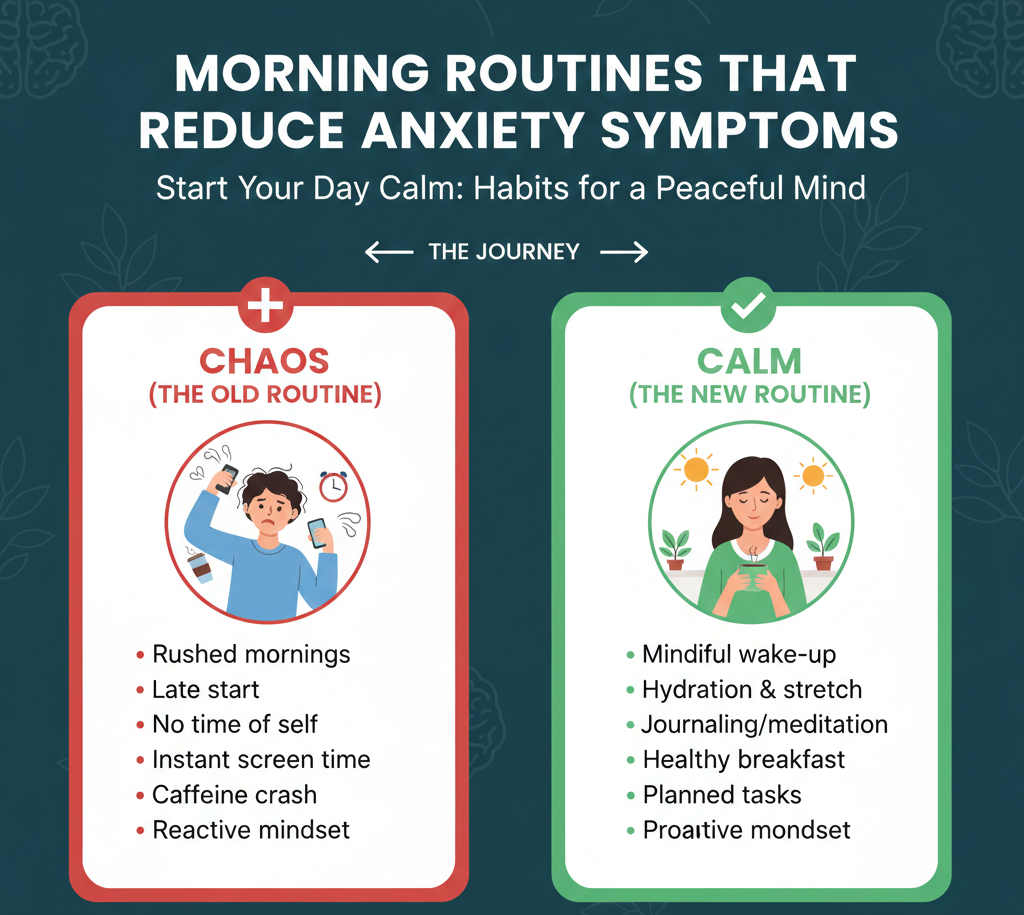
How you start your morning often sets the tone for your entire day. For individuals who experience anxiety, mornings can feel especially overwhelming. Racing thoughts, tightness in the chest, and a sense of urgency can begin before the day even starts.
The good news is that a structured, calming morning routine can significantly reduce anxiety symptoms. By intentionally choosing habits that regulate your nervous system, you create a foundation of stability and control.
In this article, we explore practical, science-backed morning routines that help reduce anxiety and promote emotional balance throughout the day.
Why Mornings Matter for Anxiety
When you wake up, your body naturally releases cortisol—a hormone that increases alertness. This is called the Cortisol Awakening Response. While normal, it can intensify anxious feelings if you’re already prone to worry.
If mornings begin with:
-
Checking emails immediately
-
Scrolling social media
-
Rushing out of bed
-
Skipping breakfast
-
Consuming caffeine on an empty stomach
You may unknowingly amplify anxiety.
Creating a calming routine interrupts this cycle and signals safety to your brain.
1. Wake Up at a Consistent Time
Consistency regulates your internal clock. Irregular sleep patterns can disrupt mood and increase anxiety.
Benefits of a consistent wake-up time:
-
Stabilizes hormone release
-
Improves sleep quality
-
Reduces morning grogginess
-
Supports emotional regulation
Even on weekends, try to wake within the same 30–60 minute window.
2. Avoid Your Phone for the First 30 Minutes
Immediately consuming news, emails, or social media can trigger stress before your brain has fully awakened.
Instead:
-
Keep your phone outside the bedroom
-
Use a traditional alarm clock
-
Allow your mind to wake gently
This prevents information overload and reduces early-morning cortisol spikes.
3. Practice Deep Breathing
Deep breathing activates the parasympathetic nervous system—the body’s calming response.
Simple morning breathing exercise:
-
Inhale for 4 seconds
-
Hold for 4 seconds
-
Exhale for 6 seconds
-
Repeat for 5 minutes
This lowers heart rate and relaxes muscle tension.
Even a few minutes of intentional breathing can noticeably reduce anxiety symptoms.
4. Gentle Movement or Stretching
Physical movement releases endorphins, which improve mood and reduce stress hormones.
You don’t need intense workouts. Try:
-
Light stretching
-
A short walk
-
Yoga poses
-
10 minutes of mobility exercises
Movement improves circulation and helps release overnight muscle tension often associated with anxiety.
5. Morning Sunlight Exposure
Natural light plays a critical role in regulating mood and sleep cycles.
Spending 5–10 minutes in morning sunlight can:
-
Improve circadian rhythm
-
Boost serotonin production
-
Increase alertness naturally
-
Reduce mood instability
Open curtains immediately upon waking or step outside briefly.
6. Practice Gratitude
Anxiety often focuses attention on potential threats or problems. Gratitude shifts focus toward positive aspects of life.
Each morning, write down:
-
Three things you’re grateful for
-
One positive intention for the day
This simple habit rewires thought patterns over time and reduces negative bias.
7. Eat a Balanced Breakfast
Skipping breakfast or consuming high-sugar foods can destabilize blood sugar levels, worsening anxiety.
A balanced breakfast should include:
-
Protein (eggs, yogurt, nuts)
-
Healthy fats (avocado, seeds)
-
Complex carbohydrates (whole grains)
Stable blood sugar supports steady energy and mood throughout the day.
8. Limit Early Caffeine Intake
Caffeine stimulates the nervous system and can intensify anxiety symptoms such as:
-
Rapid heart rate
-
Restlessness
-
Jitters
If you’re sensitive to anxiety, consider:
-
Delaying caffeine by 60–90 minutes after waking
-
Reducing overall intake
-
Switching to lower-caffeine alternatives
Small adjustments can significantly reduce morning anxiety spikes.
9. Set a Clear Daily Intention
Uncertainty often fuels anxiety. Creating a simple daily focus provides structure.
Ask yourself:
-
What is my top priority today?
-
What is one realistic goal I can accomplish?
Having direction reduces mental clutter and prevents overwhelm.
10. Avoid Rushing
Time pressure increases stress levels. Prepare the night before to create a smoother morning.
Helpful steps include:
-
Laying out clothes
-
Preparing breakfast ingredients
-
Organizing work materials
-
Reviewing your schedule
Reducing decision-making early in the day lowers cognitive stress.
11. Incorporate Mindfulness or Meditation
Even 5–10 minutes of mindfulness can significantly reduce anxiety.
Simple mindfulness practice:
-
Sit comfortably
-
Focus on your breath
-
Notice thoughts without judgment
-
Gently return focus when distracted
Regular practice strengthens emotional regulation and reduces reactivity.
12. Journal Your Thoughts
If mornings bring racing thoughts, writing them down can provide clarity.
Try:
-
A brain dump of worries
-
Identifying what’s within your control
-
Reframing negative thoughts
Journaling prevents anxious thoughts from dominating your mental space.
13. Play Calming Music or Sounds
Soft instrumental music or nature sounds can reduce stress hormones and create a peaceful atmosphere.
Avoid:
-
Loud or chaotic media
-
Distressing news
Curate a morning playlist that promotes calm focus.
14. Practice Self-Compassion
Many people with anxiety begin the day with self-criticism or pressure.
Instead, try affirmations such as:
-
“I will handle today step by step.”
-
“I don’t need to be perfect.”
-
“I am capable of managing challenges.”
Self-compassion reduces performance anxiety and unrealistic expectations.
Creating a Sustainable Routine
You don’t need to implement every habit at once. Choose 2–3 practices that feel manageable.
Example simple routine:
-
Wake at consistent time
-
Avoid phone for 30 minutes
-
Practice 5 minutes of breathing
-
Stretch for 5 minutes
-
Eat balanced breakfast
Consistency matters more than complexity.
How Long Before You See Results?
Some benefits—like reduced heart rate—can appear immediately.
Long-term improvements in anxiety typically develop over several weeks of consistent practice.
The brain thrives on repetition. Small daily habits accumulate into lasting change.
When Morning Anxiety Persists
If anxiety symptoms remain intense despite lifestyle adjustments, professional support may be helpful.
Consider consulting a healthcare provider if you experience:
-
Frequent panic attacks
-
Severe insomnia
-
Persistent worry
-
Difficulty functioning at work or home
Morning routines are powerful tools, but some individuals may benefit from therapy or additional treatment.
Long-Term Benefits of a Calm Morning Routine
With consistent practice, you may notice:
-
Reduced baseline anxiety
-
Improved focus
-
Greater emotional stability
-
Better sleep
-
Increased productivity
-
Stronger sense of control
A structured morning routine creates predictability—something the anxious brain deeply benefits from.
Final Thoughts
Anxiety often thrives in chaos and unpredictability. By designing a calm, intentional morning routine, you create stability before external stressors begin.
You don’t need hours of free time or elaborate rituals. Even small changes—like delaying phone use or practicing deep breathing—can significantly reduce anxiety symptoms.
Start tomorrow with one intentional habit. Over time, these simple morning practices can transform how you experience your day.
If anxiety continues to interfere with daily life, seek professional guidance for personalized support.
Your morning sets the tone. Choose calm.
FAQs
Is guilt a symptom of depression?
Yes, excessive or guilt is listed as a core symptom of Major Depressive Disorder in the DSM-5.
Can guilt cause depression?
While guilt alone doesn’t cause depression, chronic guilt can contribute to its development and worsen existing symptoms.
How do I stop feeling guilty when depressed?
Working with a therapist, practicing self-compassion, and potentially using medication can help manage guilt associated with depression.

Contact us
Have questions? Reach out and we’ll get back to you shortly.
Content
Guilt and Depression at a Glance
How Guilt and Depression Interact
Coping When You’re
Depressed and Feeling Guilty
Evidence-Based Treatments
When to Seek Help
How Loved Ones Can Help
FAQs