
Blog
Managing Health Anxiety in a Digital World

Author:
Medical Writer
Saya Des Marais

Medical Reviewer:
Dr. Russell A. Barkley, Ph.D
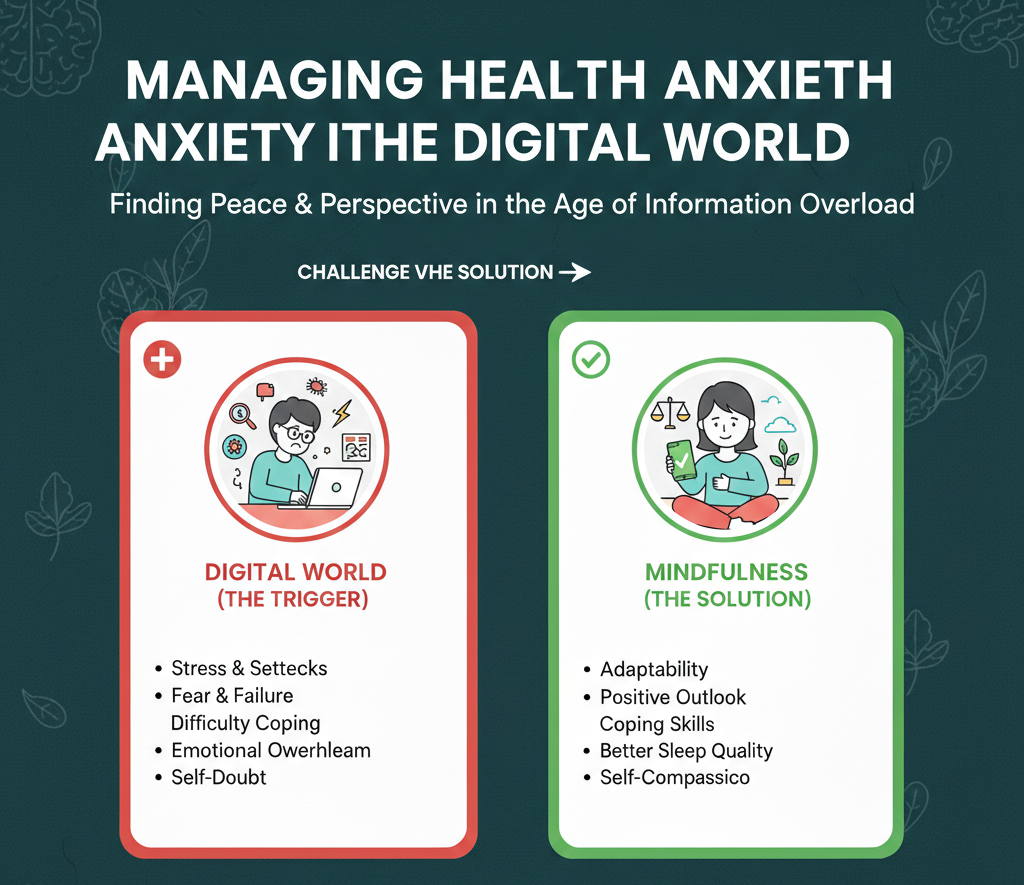
We live in an era where medical information is available at our fingertips. With a simple search, anyone can access thousands of articles, videos, forums, and symptom checkers. While this access can be empowering, it has also led to a growing issue: health anxiety intensified by digital exposure.
Health anxiety—sometimes referred to as illness anxiety disorder—involves excessive worry about having or developing a serious medical condition. In a digital world, constant access to online health content can amplify fears rather than ease them.
Understanding how technology affects health anxiety is the first step toward regaining control. Let’s explore why digital environments intensify medical worry and how you can manage health anxiety effectively.
What Is Health Anxiety?
Health anxiety goes beyond occasional concern about symptoms. It involves persistent worry about physical health, often despite medical reassurance.
Common signs include:
-
Frequently checking your body for symptoms
-
Repeatedly searching symptoms online
-
Seeking constant reassurance from doctors or loved ones
-
Avoiding medical appointments out of fear
-
Interpreting minor sensations as serious illness
In today’s connected world, digital platforms can unintentionally reinforce these behaviors.
The Rise of “Cyberchondria”
The term “cyberchondria” describes health anxiety worsened by excessive online health searches. A mild headache can quickly escalate into fears of a neurological disorder after reading worst-case scenarios online.
Search engines prioritize engagement, not emotional comfort. This often means dramatic or severe possibilities appear first, leading to catastrophic thinking.
For example:
-
A muscle twitch becomes a degenerative disease.
-
Fatigue becomes a life-threatening illness.
-
A rash becomes a rare condition.
Without professional context, it’s easy to misinterpret information.
How Social Media Amplifies Health Anxiety
Social media platforms often share personal medical stories, symptom trends, and health awareness campaigns. While informative, they can also trigger anxiety.
Algorithms show content based on previous searches. If you’ve looked up symptoms once, you may continue seeing similar health-related content repeatedly. This creates a feedback loop that reinforces worry.
Additionally, personal stories can be emotionally powerful but are not always medically representative. One person’s rare diagnosis can feel like a likely outcome, even if statistically unlikely.
Why Our Brains React Strongly to Online Health Information
The human brain is wired to detect threats. When reading about diseases or symptoms, your brain may activate a fear response—even if there is no immediate danger.
Digital content often lacks:
-
Personalized context
-
Accurate probability assessment
-
Reassurance from a professional
-
Balanced explanations
As a result, anxiety increases while uncertainty remains unresolved.
Signs Digital Behavior Is Fueling Your Health Anxiety
You may be experiencing digitally driven health anxiety if:
-
You spend hours researching symptoms
-
You feel temporary relief after searching, followed by more worry
-
You repeatedly compare your symptoms to severe illnesses
-
You struggle to stop checking medical forums
-
You feel panic after reading online health articles
Recognizing these patterns is essential for breaking the cycle.
Practical Strategies to Manage Health Anxiety Online
1. Set Boundaries Around Symptom Searching
Create specific rules for yourself. For example:
-
No Googling symptoms after 8 PM
-
Limit health searches to 10–15 minutes
-
Avoid medical forums without verified sources
Boundaries prevent compulsive reassurance-seeking behaviors.
2. Choose Reliable Sources Only
If you need health information, stick to reputable medical websites or official healthcare institutions. Avoid forums or anecdotal discussions that lack professional moderation.
Reliable information reduces misinterpretation and catastrophic thinking.
3. Practice the “Pause Before You Search” Rule
Before typing symptoms into a search engine, pause and ask:
-
Is this symptom new or persistent?
-
Have I experienced this before?
-
Is there a simple explanation (stress, dehydration, fatigue)?
Often, minor symptoms have harmless causes.
4. Limit Social Media Health Content
Consider adjusting your digital environment:
-
Unfollow accounts that trigger health fears
-
Clear search history to reset algorithms
-
Mute keywords related to medical concerns
Your online feed should support mental wellness—not fuel anxiety.
5. Challenge Catastrophic Thinking
When anxiety escalates after reading something online, use cognitive reframing:
Instead of:
“This symptom means something serious.”
Try:
“There are many possible explanations. The most common ones are usually harmless.”
Remind yourself that search results do not equal diagnoses.
6. Schedule Medical Check-Ins Instead of Emergency Googling
If health anxiety is frequent, schedule routine check-ups with your healthcare provider. Having regular professional reassurance reduces the urge to seek constant online validation.
Trust professional guidance over internet speculation.
7. Strengthen Emotional Regulation Skills
Digital health anxiety is often driven by emotional discomfort rather than physical danger.
Practice:
-
Deep breathing
-
Progressive muscle relaxation
-
Grounding exercises
-
Mindfulness meditation
Calming the nervous system reduces the urgency to seek reassurance online.
8. Reduce Overall Digital Consumption
Constant exposure to screens can increase stress and overstimulation.
Try:
-
Digital detox hours
-
No-phone mornings
-
Device-free meals
-
Outdoor activities
Reducing digital overload strengthens emotional balance.
When Health Anxiety Becomes Persistent
Occasional health concern is normal. However, if anxiety:
-
Interferes with daily functioning
-
Causes panic attacks
-
Leads to repeated unnecessary medical visits
-
Impacts work or relationships
It may be helpful to seek professional support.
Therapies such as Cognitive Behavioral Therapy (CBT) are highly effective for health anxiety. CBT helps identify reassurance-seeking cycles and teaches healthier coping mechanisms.
In some cases, medical treatment may also be recommended to stabilize anxiety symptoms.
The Role of Uncertainty in a Digital Age
One reason health anxiety thrives online is our discomfort with uncertainty. The internet promises answers—but often delivers more ambiguity.
Learning to tolerate uncertainty is a powerful resilience skill.
Instead of demanding absolute certainty about every symptom, practice accepting:
“It’s okay not to know immediately. I can monitor calmly.”
Tolerance of uncertainty reduces compulsive searching behaviors.
Building a Healthier Relationship with Online Information
Technology is not inherently harmful. It becomes problematic when used compulsively.
To build a balanced relationship:
-
Use the internet for scheduled research—not panic-driven searches
-
Balance online information with professional advice
-
Avoid comparing your health journey to others
-
Focus on preventive care rather than worst-case outcomes
Digital literacy includes understanding emotional triggers—not just facts.
Daily Habits That Reduce Health Anxiety
Incorporate habits that strengthen mental resilience:
-
Exercise regularly
-
Maintain consistent sleep
-
Eat balanced meals
-
Stay socially connected
-
Practice gratitude
-
Limit caffeine intake
When your nervous system is balanced, online triggers have less impact.
Supporting Loved Ones with Digital Health Anxiety
If someone you know struggles with online medical worry:
-
Avoid constant reassurance, which may reinforce the cycle
-
Encourage professional consultation
-
Suggest digital boundaries
-
Offer emotional support without validating catastrophic fears
Compassion combined with healthy boundaries is key.
Final Thoughts
Managing health anxiety in a digital world requires intentional boundaries, emotional awareness, and balanced information consumption. The internet provides powerful tools—but without mindful use, it can intensify fear rather than reduce it.
Health anxiety often stems from a desire for certainty and control. By learning to tolerate uncertainty, regulate emotions, and rely on professional guidance rather than endless online searching, you can break the cycle of digital worry.
If health anxiety feels overwhelming or persistent, consult a healthcare professional for personalized support. With the right strategies, it’s possible to live in a connected world without letting online information control your peace of mind.
FAQs
Is guilt a symptom of depression?
Yes, excessive or guilt is listed as a core symptom of Major Depressive Disorder in the DSM-5.
Can guilt cause depression?
While guilt alone doesn’t cause depression, chronic guilt can contribute to its development and worsen existing symptoms.
How do I stop feeling guilty when depressed?
Working with a therapist, practicing self-compassion, and potentially using medication can help manage guilt associated with depression.

Contact us
Have questions? Reach out and we’ll get back to you shortly.
Content
Guilt and Depression at a Glance
How Guilt and Depression Interact
Coping When You’re
Depressed and Feeling Guilty
Evidence-Based Treatments
When to Seek Help
How Loved Ones Can Help
FAQs