
Blog
Social Anxiety Disorder: Symptoms and Treatment Options

Author:
Medical Writer
Saya Des Marais

Medical Reviewer:
Dr. Russell A. Barkley, Ph.D
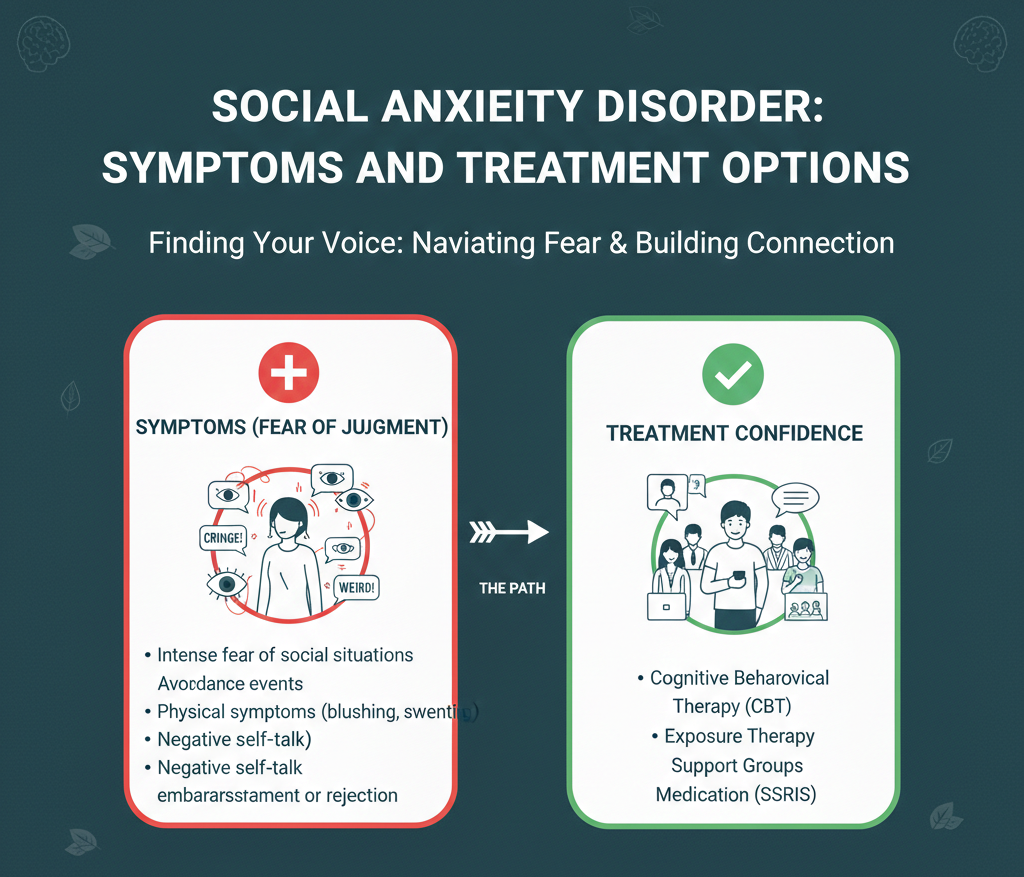
Feeling nervous before a presentation or social gathering is completely normal. However, when the fear of being judged, embarrassed, or negatively evaluated becomes intense and persistent, it may indicate Social Anxiety Disorder (SAD)—also known as social phobia.
Social Anxiety Disorder is more than simple shyness. It is a chronic mental health condition that can significantly interfere with daily activities, relationships, academic performance, and career growth. Fortunately, it is treatable with the right combination of therapy, medication, and lifestyle changes.
In this article, we’ll explore the symptoms, causes, and most effective treatment options for Social Anxiety Disorder.
What Is Social Anxiety Disorder?
Social Anxiety Disorder is characterized by an intense fear of social situations where a person may feel observed, judged, criticized, or embarrassed. This fear often leads to avoidance behaviors, which can reinforce and worsen the condition over time.
People with SAD may worry excessively about:
-
Speaking in public
-
Meeting new people
-
Attending social events
-
Eating or drinking in front of others
-
Being the center of attention
-
Performing tasks while being observed
Unlike temporary nervousness, the anxiety experienced in SAD is persistent and disproportionate to the actual situation.
Common Symptoms of Social Anxiety Disorder
Symptoms of SAD can be emotional, physical, and behavioral.
Emotional Symptoms
-
Intense fear of social interactions
-
Excessive self-consciousness
-
Fear of embarrassment or humiliation
-
Worry about being judged or criticized
-
Anticipatory anxiety before social events
Physical Symptoms
-
Rapid heartbeat
-
Sweating
-
Trembling
-
Nausea or upset stomach
-
Dizziness
-
Shortness of breath
-
Blushing
These physical symptoms can be so severe that they resemble panic attacks.
Behavioral Symptoms
-
Avoiding social events
-
Skipping school or work presentations
-
Declining invitations
-
Minimal eye contact
-
Speaking softly or not at all
Avoidance may provide temporary relief but strengthens long-term anxiety.
Causes of Social Anxiety Disorder
There is no single cause of Social Anxiety Disorder. It typically develops due to a combination of biological, psychological, and environmental factors.
1. Brain Structure and Chemistry
The amygdala, a part of the brain involved in fear responses, may be overactive in individuals with anxiety disorders. Neurotransmitters such as serotonin also play a role in mood regulation.
2. Genetics
Social Anxiety Disorder can run in families. Having a close relative with anxiety increases the likelihood of developing similar conditions.
3. Environmental Influences
-
Negative social experiences
-
Bullying or teasing
-
Overly critical parenting
-
Trauma or humiliation
Repeated negative experiences may condition a person to associate social situations with danger.
How Social Anxiety Disorder Affects Daily Life
SAD can impact multiple areas of life:
Academic and Career Impact
Individuals may avoid presentations, meetings, or leadership roles. This can limit career growth and academic success.
Relationship Challenges
Forming and maintaining friendships or romantic relationships may feel overwhelming.
Isolation and Depression
Persistent avoidance can lead to loneliness and increase the risk of depression.
Recognizing these impacts highlights the importance of seeking treatment.
How Is Social Anxiety Disorder Diagnosed?
A healthcare professional diagnoses SAD based on:
-
Persistent fear lasting at least six months
-
Avoidance of social situations
-
Significant distress or impairment
-
Symptoms not caused by substance use or medical conditions
If social fear consistently disrupts daily functioning, professional evaluation is recommended.
Treatment Options for Social Anxiety Disorder
The good news is that Social Anxiety Disorder is highly treatable. Treatment plans often combine therapy, medication, and lifestyle changes.
1. Cognitive Behavioral Therapy (CBT)
CBT is considered the gold standard treatment for SAD.
It helps individuals:
-
Identify negative thought patterns
-
Challenge irrational fears
-
Gradually face feared situations
-
Develop coping strategies
For example, someone who believes, “Everyone will think I’m foolish,” learns to examine evidence and replace that thought with a balanced perspective.
Exposure therapy, a component of CBT, gradually introduces feared situations in controlled steps to reduce sensitivity.
2. Medication Options
Medication may be recommended for moderate to severe cases.
Selective Serotonin Reuptake Inhibitors (SSRIs)
Commonly prescribed medications include:
-
Sertraline
-
Paroxetine
-
Escitalopram
These medications help regulate serotonin levels and reduce anxiety over time.
Serotonin-Norepinephrine Reuptake Inhibitors (SNRIs)
Medications like venlafaxine may also be effective.
Beta-Blockers
For performance anxiety (such as public speaking), beta-blockers may help control physical symptoms like rapid heartbeat and trembling.
Medication decisions should always be made with a healthcare provider.
3. Lifestyle Modifications
Healthy lifestyle habits can complement therapy and medication.
Regular Exercise
Physical activity reduces stress hormones and increases mood-enhancing endorphins.
Sleep Hygiene
Consistent sleep patterns help regulate emotional stability.
Reduced Caffeine Intake
Caffeine can intensify anxiety symptoms such as jitteriness and rapid heart rate.
Balanced Nutrition
Stable blood sugar levels support emotional regulation.
4. Social Skills Training
Some individuals benefit from structured social skills training to build confidence in conversations and group settings.
Practicing communication strategies in supportive environments reduces performance anxiety.
Self-Help Strategies for Managing Social Anxiety
In addition to professional treatment, individuals can practice:
-
Deep breathing exercises
-
Mindfulness meditation
-
Positive self-talk
-
Gradual exposure to feared situations
-
Joining supportive communities
Small, consistent steps lead to long-term improvement.
When to Seek Professional Help
Consider professional support if:
-
Anxiety interferes with work or school
-
Social avoidance is increasing
-
Physical symptoms are severe
-
Depression symptoms appear
-
Panic attacks occur
Early intervention leads to better outcomes.
Common Misconceptions About Social Anxiety Disorder
“It’s Just Shyness”
Shyness is a personality trait. SAD is a diagnosable mental health condition causing significant distress.
“You Can Just Push Through It”
For many individuals, forcing exposure without support may increase fear rather than reduce it.
“Medication Is the Only Solution”
While medication can help, therapy often provides long-term coping skills.
Long-Term Outlook
With proper treatment, most individuals with Social Anxiety Disorder experience significant improvement. Many regain confidence, build meaningful relationships, and advance professionally.
Progress may take time, but consistent effort yields positive change.
Final Thoughts
Social Anxiety Disorder is a serious but treatable condition characterized by intense fear of social interactions and judgment. While symptoms can be overwhelming, effective treatment options—such as Cognitive Behavioral Therapy, medication, and healthy lifestyle adjustments—can dramatically improve quality of life.
If social fear is limiting your potential or causing persistent distress, seeking professional help is a strong and proactive step toward recovery.
Mental health support is available, and with the right treatment plan, it is entirely possible to regain confidence and comfort in social situations.
FAQs
Is guilt a symptom of depression?
Yes, excessive or guilt is listed as a core symptom of Major Depressive Disorder in the DSM-5.
Can guilt cause depression?
While guilt alone doesn’t cause depression, chronic guilt can contribute to its development and worsen existing symptoms.
How do I stop feeling guilty when depressed?
Working with a therapist, practicing self-compassion, and potentially using medication can help manage guilt associated with depression.

Contact us
Have questions? Reach out and we’ll get back to you shortly.
Content
Guilt and Depression at a Glance
How Guilt and Depression Interact
Coping When You’re
Depressed and Feeling Guilty
Evidence-Based Treatments
When to Seek Help
How Loved Ones Can Help
FAQs