
Blog
The Difference Between Stress and Anxiety

Author:
Medical Writer
Saya Des Marais

Medical Reviewer:
Dr. Russell A. Barkley, Ph.D
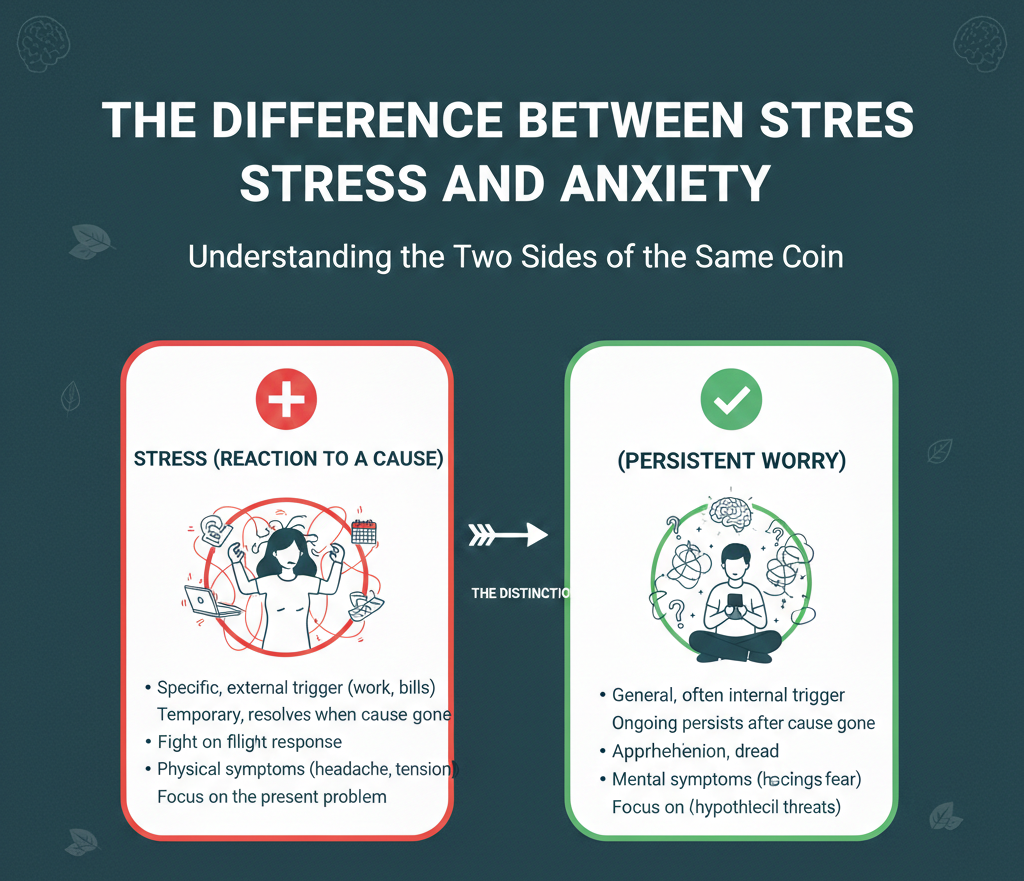
Stress and anxiety are terms often used interchangeably, but they are not the same. While both can cause emotional discomfort and physical symptoms, understanding the difference between stress and anxiety is essential for identifying when you may need professional support.
Stress is a natural response to challenges or demands. Anxiety, on the other hand, can persist even in the absence of a clear trigger and may develop into a mental health disorder if left untreated.
In this article, we’ll explore how stress and anxiety differ, how they overlap, and when it may be time to seek treatment.
What Is Stress?
Stress is the body’s reaction to a perceived challenge, demand, or threat. It can be triggered by external situations such as:
-
Work deadlines
-
Financial concerns
-
Relationship issues
-
Health problems
-
Major life changes
Stress activates the body’s “fight-or-flight” response. During this reaction:
-
Heart rate increases
-
Breathing becomes faster
-
Muscles tighten
-
Stress hormones (like cortisol and adrenaline) are released
This response is designed to help you handle short-term challenges effectively.
Types of Stress
Acute Stress:
Short-term stress that resolves quickly once the situation passes. For example, preparing for a presentation or taking an exam.
Chronic Stress:
Long-term stress that continues over weeks or months. Ongoing job pressure or caregiving responsibilities may cause chronic stress.
While short-term stress can be motivating, chronic stress may negatively affect both physical and mental health.
What Is Anxiety?
Anxiety is a feeling of excessive worry, fear, or nervousness that may not always have a clear cause. Unlike stress, anxiety can persist even when there is no immediate threat.
Occasional anxiety is normal—such as before a big event. However, when anxiety becomes overwhelming, persistent, and interferes with daily functioning, it may indicate an anxiety disorder.
Common anxiety disorders include:
-
Generalized Anxiety Disorder (GAD)
-
Panic Disorder
-
Social Anxiety Disorder
-
Phobias
Key Differences Between Stress and Anxiety
Understanding their distinctions can help you better identify what you’re experiencing.
1. Trigger
Stress:
Usually linked to an identifiable external cause (e.g., workload, argument, financial issue).
Anxiety:
May occur without a specific trigger. The worry can feel constant and difficult to control.
2. Duration
Stress:
Often temporary and subsides when the stressful situation resolves.
Anxiety:
Can persist long after the stressor is gone and may become chronic.
3. Intensity
Stress:
Typically proportional to the situation.
Anxiety:
May be disproportionate to the actual risk or situation.
4. Physical and Emotional Symptoms
Both stress and anxiety share overlapping symptoms, including:
-
Rapid heartbeat
-
Muscle tension
-
Restlessness
-
Irritability
-
Difficulty concentrating
-
Sleep disturbances
However, anxiety disorders may also include:
-
Panic attacks
-
Persistent dread
-
Avoidance behaviors
-
Excessive rumination
-
Irrational fears
When Does Stress Turn Into Anxiety?
Chronic stress can increase the risk of developing an anxiety disorder. If stress remains unresolved for long periods, it may rewire how the brain responds to perceived threats.
Over time, the nervous system may become overly sensitive, reacting strongly even to minor stressors.
Warning signs that stress may be evolving into anxiety include:
-
Constant worry that feels uncontrollable
-
Difficulty relaxing even when problems are resolved
-
Frequent physical symptoms without clear cause
-
Avoiding normal activities due to fear
-
Panic episodes
Recognizing these signs early allows for timely intervention.
The Biological Connection
Both stress and anxiety involve activation of the body’s stress response system.
When faced with a threat, the brain’s amygdala signals the release of stress hormones. This prepares the body for immediate action.
With chronic stress or anxiety disorders:
-
The stress response may remain activated
-
Cortisol levels stay elevated
-
Sleep patterns become disrupted
-
The immune system weakens
Long-term activation can contribute to health issues such as high blood pressure, digestive problems, headaches, and weakened immunity.
The Impact on Daily Life
Effects of Chronic Stress
-
Fatigue
-
Irritability
-
Reduced productivity
-
Increased risk of burnout
-
Weakened immune function
Effects of Anxiety Disorders
-
Social withdrawal
-
Panic attacks
-
Impaired work performance
-
Strained relationships
-
Depression risk
While stress is often manageable with lifestyle adjustments, anxiety disorders may require structured treatment.
How to Manage Stress
If your symptoms are related to stress, simple lifestyle strategies can be effective:
1. Time Management
Prioritize tasks and break large projects into manageable steps.
2. Physical Activity
Regular exercise reduces cortisol levels and boosts mood-enhancing endorphins.
3. Relaxation Techniques
Deep breathing, meditation, and progressive muscle relaxation calm the nervous system.
4. Healthy Sleep Habits
Maintain consistent sleep and wake times.
5. Social Support
Talking with friends or family can ease emotional burden.
When stress is addressed early, it often resolves without long-term consequences.
How Anxiety Is Treated
If anxiety becomes persistent or severe, professional treatment may be necessary.
1. Psychotherapy
Cognitive Behavioral Therapy (CBT) is one of the most effective treatments. It helps individuals identify and change unhelpful thought patterns.
2. Medication
In moderate to severe cases, healthcare providers may prescribe medications such as:
-
SSRIs
-
SNRIs
-
Short-term anti-anxiety medications
Medication is typically combined with therapy for best results.
3. Lifestyle Modifications
-
Regular exercise
-
Reduced caffeine intake
-
Balanced diet
-
Consistent sleep routine
Treatment plans are individualized based on severity and personal history.
When to Seek Professional Help
Consider consulting a healthcare professional if:
-
Symptoms persist for several weeks
-
Worry feels uncontrollable
-
Panic attacks occur frequently
-
Anxiety interferes with work or relationships
-
You avoid normal daily activities
Seeking help early can prevent symptoms from worsening.
Common Myths About Stress and Anxiety
Myth 1: Stress and Anxiety Are the Same
They share similarities but differ in triggers, duration, and severity.
Myth 2: Anxiety Is Just “Overthinking”
Anxiety disorders involve biological and neurological components, not simply mindset.
Myth 3: You Should Handle It Alone
Professional support can significantly improve outcomes.
Can You Have Both?
Yes. Many individuals experience both chronic stress and an anxiety disorder simultaneously. For example, workplace stress may trigger generalized anxiety symptoms.
In such cases, addressing both the external stressors and internal thought patterns is essential.
The Importance of Awareness
Understanding the difference between stress and anxiety empowers individuals to respond appropriately.
-
Temporary stress often improves with rest and self-care.
-
Persistent anxiety may require structured treatment.
Early recognition prevents escalation and promotes healthier coping strategies.
Final Thoughts
Stress is a natural response to life’s challenges, while anxiety is a more persistent state of excessive worry that may exist even without a clear cause. Although they share similar symptoms, the duration, intensity, and impact on daily life set them apart.
If stress becomes chronic or anxiety begins interfering with daily activities, professional guidance can help restore balance. Both conditions are manageable with the right strategies, support, and treatment plan.
Mental health is just as important as physical health. Recognizing the difference between stress and anxiety is the first step toward taking control of your well-being.
FAQs
Is guilt a symptom of depression?
Yes, excessive or guilt is listed as a core symptom of Major Depressive Disorder in the DSM-5.
Can guilt cause depression?
While guilt alone doesn’t cause depression, chronic guilt can contribute to its development and worsen existing symptoms.
How do I stop feeling guilty when depressed?
Working with a therapist, practicing self-compassion, and potentially using medication can help manage guilt associated with depression.

Contact us
Have questions? Reach out and we’ll get back to you shortly.
Content
Guilt and Depression at a Glance
How Guilt and Depression Interact
Coping When You’re
Depressed and Feeling Guilty
Evidence-Based Treatments
When to Seek Help
How Loved Ones Can Help
FAQs