
Blog
Time Management Strategies to Reduce Anxiety

Author:
Medical Writer
Saya Des Marais

Medical Reviewer:
Dr. Russell A. Barkley, Ph.D
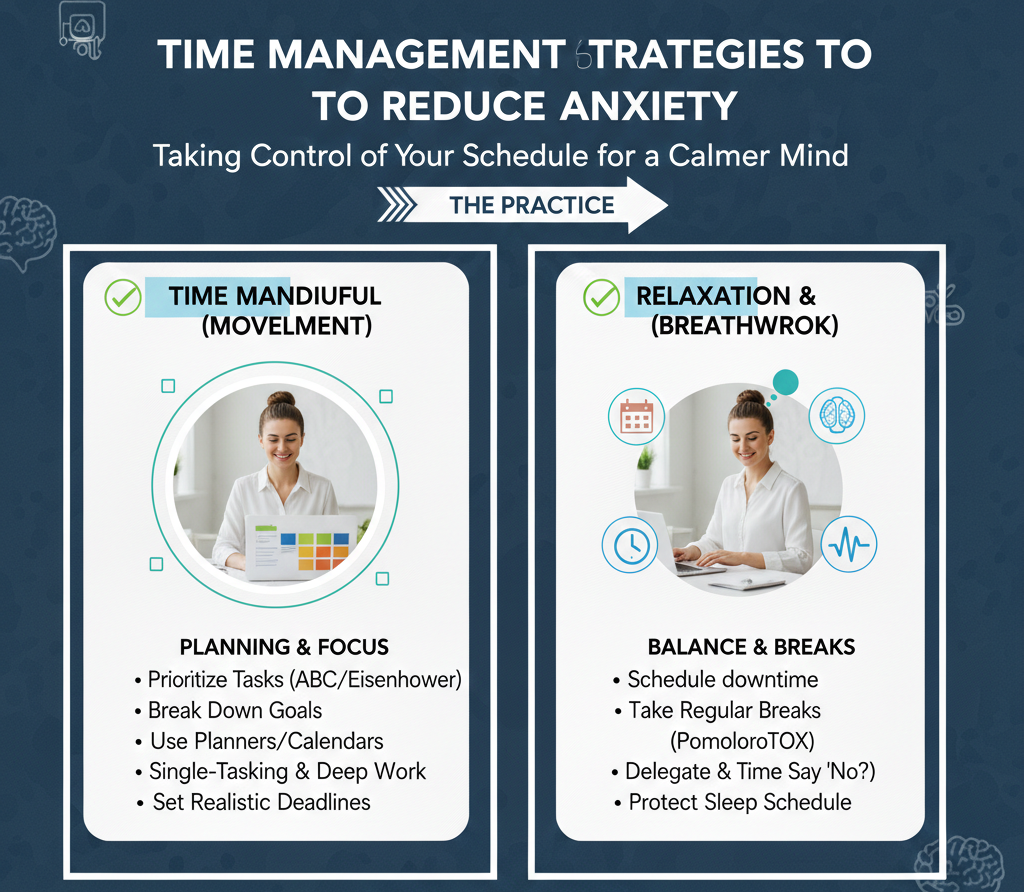
Anxiety often thrives in chaos. When tasks pile up, deadlines approach, and responsibilities feel overwhelming, stress levels rise quickly. Many individuals struggling with anxiety report feeling constantly behind, unprepared, or mentally overloaded. While anxiety disorders can have multiple causes, poor time management is a significant and often overlooked contributor.
Effective time management is not about squeezing more tasks into your day. Instead, it is about creating structure, setting realistic expectations, and reducing uncertainty. When time is organized thoughtfully, the mind feels more in control — and control is one of the strongest antidotes to anxiety.
In this article, we explore practical time management strategies that can reduce anxiety, improve focus, and support overall mental wellness.
The Connection Between Time Management and Anxiety
Anxiety is closely linked to uncertainty and perceived lack of control. When responsibilities feel unmanageable, the brain activates the stress response. This leads to:
-
Racing thoughts
-
Muscle tension
-
Irritability
-
Trouble sleeping
-
Difficulty concentrating
-
Avoidance behaviors
Poor time management often results in procrastination, rushed work, and missed deadlines — all of which increase stress. Over time, this cycle reinforces anxious thinking patterns such as “I can’t handle this” or “I’m always behind.”
Improving time management helps break this cycle by introducing predictability and organization into daily life.
1. Prioritize Tasks Using the “Important vs. Urgent” Method
Not all tasks are equal. Anxiety often arises when everything feels equally urgent.
Use a simple four-quadrant system:
-
Important and Urgent – Do immediately.
-
Important but Not Urgent – Schedule for later.
-
Urgent but Not Important – Delegate if possible.
-
Neither Urgent nor Important – Eliminate or postpone.
This method reduces overwhelm by clarifying what truly requires attention. Many anxiety triggers stem from spending time on low-priority tasks while high-priority ones remain undone.
2. Break Large Tasks Into Smaller Steps
Big projects can feel intimidating. The brain often interprets them as threats, triggering avoidance.
Instead of writing “Finish report,” break it into:
-
Outline main points
-
Research data
-
Draft introduction
-
Complete first section
-
Edit final draft
Smaller steps feel manageable and provide frequent feelings of accomplishment. Each completed step reduces anxiety and builds momentum.
3. Use Time Blocking
Time blocking involves assigning specific periods to individual tasks. Rather than working reactively, you proactively schedule your day.
Example:
-
9:00–10:00 AM: Email responses
-
10:00–12:00 PM: Project work
-
1:00–1:30 PM: Administrative tasks
Time blocking reduces decision fatigue and limits multitasking, which can increase stress and reduce productivity.
4. Limit Multitasking
Multitasking may seem efficient, but research shows it often increases errors and mental fatigue. Constantly switching tasks forces the brain to repeatedly refocus, raising stress levels.
Focusing on one task at a time:
-
Improves efficiency
-
Enhances quality of work
-
Reduces cognitive overload
-
Lowers anxiety
Single-tasking allows the mind to remain calm and present.
5. Set Realistic Expectations
Perfectionism is a common trait among individuals with anxiety. Setting unrealistically high standards often leads to chronic dissatisfaction and stress.
Instead:
-
Aim for progress, not perfection
-
Allow flexibility in timelines
-
Accept that some tasks may take longer than expected
Reducing perfectionistic thinking significantly lowers anxiety intensity.
6. Schedule Breaks Intentionally
Working nonstop may appear productive, but it often leads to burnout.
Short breaks:
-
Improve focus
-
Reduce mental fatigue
-
Prevent overwhelm
-
Lower stress hormones
The 50/10 method is helpful: work for 50 minutes, then take a 10-minute break. Use breaks to stretch, breathe deeply, or take a short walk.
Regular pauses help reset the nervous system.
7. Plan the Night Before
Starting the day without a plan increases uncertainty. Taking 5–10 minutes each evening to outline the next day’s tasks creates clarity.
Benefits include:
-
Reduced morning stress
-
Clear direction
-
Improved sleep (less nighttime worry)
-
Greater confidence
When the brain knows what to expect, anxiety decreases.
8. Learn to Say “No”
Overcommitment is a major source of stress. Saying yes to every request often leads to time pressure and resentment.
Healthy boundaries protect mental health. Consider:
-
Evaluating your current workload before accepting new tasks
-
Using polite but firm language
-
Prioritizing essential responsibilities
Saying no when necessary prevents unnecessary anxiety.
9. Reduce Digital Distractions
Constant notifications interrupt focus and increase stress. Each alert triggers a minor stress response.
To minimize distractions:
-
Silence non-essential notifications
-
Use “Do Not Disturb” mode during focused work
-
Limit social media during task periods
-
Keep your phone out of sight
Creating a distraction-free environment enhances calm and efficiency.
10. Use Written Lists Instead of Mental Lists
Trying to remember everything increases cognitive load. Writing tasks down frees mental space.
A simple to-do list:
-
Reduces forgetfulness
-
Provides visual clarity
-
Offers satisfaction when items are completed
Checking off tasks releases dopamine, reinforcing positive productivity habits.
11. Practice Buffer Time
Many people underestimate how long tasks take. This creates unnecessary stress when deadlines approach.
Add buffer time between tasks:
-
Schedule meetings 10–15 minutes apart
-
Allow extra time for commuting
-
Avoid back-to-back commitments
Buffer time provides breathing room and reduces time-related anxiety.
12. Focus on What You Can Control
Anxiety often involves worrying about unpredictable outcomes. Time management strategies work best when focused on controllable actions.
Instead of worrying about results, focus on:
-
Completing assigned tasks
-
Preparing thoroughly
-
Managing your schedule
Shifting focus to actions rather than outcomes reduces uncertainty.
13. Combine Time Management With Relaxation Techniques
Time organization alone may not eliminate anxiety. Pairing productivity strategies with relaxation practices enhances results.
Helpful additions:
-
Deep breathing exercises
-
Brief mindfulness sessions
-
Light stretching during breaks
-
Short walks outdoors
Balancing productivity with calm practices prevents stress buildup.
When Anxiety Persists Despite Organization
While time management significantly reduces situational stress, persistent anxiety may require professional support.
Consider seeking help if:
-
Anxiety interferes with daily functioning
-
Panic attacks occur
-
Sleep problems persist
-
Avoidance behaviors increase
Treatment options may include:
-
Cognitive Behavioral Therapy (CBT)
-
Stress management counseling
-
Medication prescribed by a healthcare provider
-
Combined treatment approaches
Time management is a valuable skill, but comprehensive care may be needed for moderate to severe anxiety.
Long-Term Benefits of Strong Time Management Skills
Consistently practicing these strategies can lead to:
-
Lower daily stress levels
-
Improved confidence
-
Enhanced productivity
-
Better work-life balance
-
Stronger emotional regulation
-
Improved sleep patterns
Over time, structured routines create stability — and stability reduces anxiety.
Final Thoughts
Anxiety often grows in environments of unpredictability and overload. By implementing practical time management strategies, individuals can create structure, improve focus, and reduce stress significantly.
Effective time management is not about perfection or constant productivity. It is about building routines that support mental clarity and emotional balance. When paired with healthy sleep habits, relaxation techniques, and professional support when needed, these strategies can play a meaningful role in anxiety recovery.
At USA Pharmas, we believe that managing anxiety involves both medical guidance and practical lifestyle improvements. Developing strong time management habits is one empowering step toward regaining control, reducing stress, and improving overall mental well-being.
FAQs
Is guilt a symptom of depression?
Yes, excessive or guilt is listed as a core symptom of Major Depressive Disorder in the DSM-5.
Can guilt cause depression?
While guilt alone doesn’t cause depression, chronic guilt can contribute to its development and worsen existing symptoms.
How do I stop feeling guilty when depressed?
Working with a therapist, practicing self-compassion, and potentially using medication can help manage guilt associated with depression.

Contact us
Have questions? Reach out and we’ll get back to you shortly.
Content
Guilt and Depression at a Glance
How Guilt and Depression Interact
Coping When You’re
Depressed and Feeling Guilty
Evidence-Based Treatments
When to Seek Help
How Loved Ones Can Help
FAQs