
Blog
Step-by-Step Anxiety Treatment Plan Explained

Author:
Medical Writer
Saya Des Marais

Medical Reviewer:
Dr. Russell A. Barkley, Ph.D
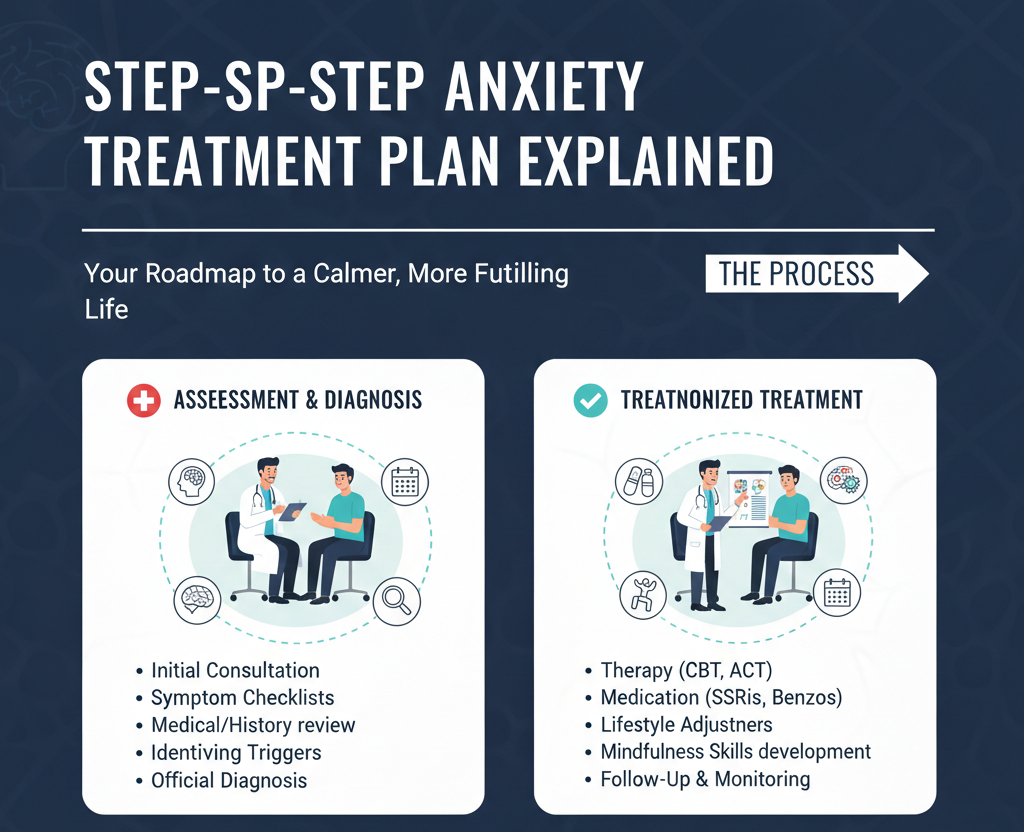
Anxiety disorders affect millions of people and can significantly impact emotional health, relationships, and daily functioning. While occasional anxiety is a normal part of life, persistent fear or worry that interferes with everyday activities may require professional treatment. The good news is that anxiety is highly treatable, and many individuals experience significant improvement through structured care.
Understanding how a step-by-step anxiety treatment plan works can help patients feel more confident when seeking support. A well-organized plan typically combines professional evaluation, therapy, medication when needed, and practical lifestyle adjustments. This guide explains each stage of the treatment process so patients know what to expect and how to stay engaged throughout recovery.
Step 1: Recognizing Symptoms and Seeking Help
The first step in any anxiety treatment plan begins with awareness. Many individuals live with anxiety symptoms for months or years before seeking professional help. Recognizing early warning signs is essential for timely intervention.
Common symptoms may include:
-
Constant worry or fear
-
Restlessness or irritability
-
Difficulty concentrating
-
Sleep disturbances
-
Rapid heartbeat or muscle tension
-
Avoidance of stressful situations
When these symptoms start affecting work performance, relationships, or personal well-being, consulting a healthcare professional is strongly recommended. Early treatment often leads to better outcomes and faster improvement.
Step 2: Professional Assessment and Diagnosis
After reaching out for help, the next stage involves a comprehensive medical and psychological evaluation. This process ensures that the symptoms are correctly identified and that other medical conditions are ruled out.
Key Elements of the Assessment
-
Detailed discussion about symptoms and their duration
-
Review of personal and family mental health history
-
Evaluation of lifestyle factors such as sleep and stress levels
-
Screening questionnaires or psychological assessments
-
Physical examination or laboratory tests if necessary
A clear diagnosis helps doctors determine the most appropriate treatment strategy tailored to the individual’s needs.
Step 3: Setting Personalized Treatment Goals
Once the diagnosis is confirmed, healthcare providers work with patients to create realistic and achievable treatment goals. These goals may focus on:
-
Reducing panic attacks or excessive worry
-
Improving sleep patterns
-
Enhancing social functioning
-
Increasing productivity at work or school
-
Developing healthier coping strategies
Clear goals give patients a sense of direction and help measure progress throughout treatment.
Step 4: Psychotherapy as a Core Treatment Component
Therapy plays a central role in most anxiety treatment plans. Psychotherapy helps patients understand the connection between thoughts, emotions, and behaviors.
Common Therapy Approaches
-
Cognitive behavioral therapy to challenge negative thinking patterns
-
Exposure therapy to reduce avoidance behaviors
-
Mindfulness-based therapy to improve emotional regulation
Therapy sessions typically involve structured exercises and discussions that help individuals learn new ways to respond to stress. Over time, patients gain confidence in managing anxiety triggers without feeling overwhelmed.
Step 5: Medication Management When Needed
Not all individuals require medication, but it can be beneficial for those with moderate to severe symptoms. Doctors carefully evaluate whether medication is appropriate based on:
-
Symptom intensity
-
Medical history
-
Potential interactions with other treatments
-
Patient preferences
Medication is often most effective when combined with therapy. Healthcare providers monitor progress closely and adjust dosages or treatment strategies as needed.
Step 6: Lifestyle Modifications for Long-Term Improvement
Lifestyle changes are a crucial part of any effective anxiety treatment plan. Doctors frequently recommend practical habits that support emotional stability and overall health.
Helpful Lifestyle Strategies
-
Engaging in regular physical activity
-
Maintaining a consistent sleep schedule
-
Eating balanced and nutritious meals
-
Practicing relaxation techniques such as deep breathing
-
Limiting caffeine and excessive screen time
These changes help regulate the nervous system and reduce the intensity of anxiety symptoms over time.
Step 7: Stress Management and Coping Skills
Patients learn practical tools to handle everyday stress more effectively. Common coping strategies include:
-
Journaling to track triggers and emotional responses
-
Grounding techniques during moments of panic
-
Time management to reduce overwhelm
-
Positive self-talk to counter negative thoughts
-
Relaxation exercises such as progressive muscle relaxation
Learning these techniques empowers individuals to manage anxiety independently outside of therapy sessions.
Step 8: Building a Support System
Social support plays an important role in recovery. Friends, family members, and support groups can provide encouragement, understanding, and accountability.
Patients may also benefit from:
-
Mental health education for loved ones
-
Peer support communities
-
Online or local anxiety support groups
Sharing experiences with others facing similar challenges can reduce feelings of isolation and strengthen motivation.
Step 9: Monitoring Progress and Adjusting the Plan
Anxiety treatment is not a one-time solution but an ongoing process. Doctors and therapists schedule regular follow-up appointments to:
-
Evaluate symptom improvement
-
Address new challenges or stressors
-
Modify therapy techniques
-
Adjust medication if necessary
Open communication helps ensure the treatment plan continues to meet evolving needs.
Step 10: Preventing Relapse and Maintaining Recovery
As symptoms improve, the focus shifts toward maintaining long-term mental health. Preventive strategies include:
-
Continuing therapy sessions when needed
-
Practicing coping techniques regularly
-
Maintaining healthy lifestyle habits
-
Recognizing early signs of relapse
-
Seeking help promptly if symptoms return
Recovery from anxiety is often gradual, and maintaining consistent routines can help prevent setbacks.
Common Challenges During the Treatment Process
Some individuals experience difficulties while following an anxiety treatment plan. These may include:
-
Feeling discouraged if progress seems slow
-
Fear of stigma or judgment
-
Difficulty maintaining consistency with therapy or lifestyle changes
-
Concerns about medication side effects
Healthcare providers help patients navigate these challenges by setting realistic expectations and providing ongoing support.
Benefits of Following a Structured Treatment Plan
A step-by-step anxiety treatment plan offers several advantages:
-
Clear direction and measurable progress
-
Improved symptom management
-
Increased self-confidence and resilience
-
Better emotional balance
-
Enhanced overall quality of life
Structured care also helps patients feel more in control of their mental health journey.
Final Thoughts
Anxiety disorders can feel overwhelming, but a well-designed treatment plan provides a clear path toward recovery. From initial assessment and therapy to lifestyle adjustments and long-term maintenance, each step plays a crucial role in improving mental well-being.
While treatment approaches may vary from person to person, combining professional support with healthy daily habits often leads to the best outcomes. Individuals who actively participate in their treatment plan, maintain open communication with healthcare providers, and practice learned coping skills are more likely to experience lasting improvement.
If anxiety symptoms are affecting your daily life, seeking professional guidance is an important first step. With the right treatment plan, recovery is achievable, and many individuals regain confidence, emotional balance, and a renewed sense of control over their lives.
FAQs
Is guilt a symptom of depression?
Yes, excessive or guilt is listed as a core symptom of Major Depressive Disorder in the DSM-5.
Can guilt cause depression?
While guilt alone doesn’t cause depression, chronic guilt can contribute to its development and worsen existing symptoms.
How do I stop feeling guilty when depressed?
Working with a therapist, practicing self-compassion, and potentially using medication can help manage guilt associated with depression.

Contact us
Have questions? Reach out and we’ll get back to you shortly.
Content
Guilt and Depression at a Glance
How Guilt and Depression Interact
Coping When You’re
Depressed and Feeling Guilty
Evidence-Based Treatments
When to Seek Help
How Loved Ones Can Help
FAQs