
Blog
Creating a Daily Routine for Safe Medication Use

Author:
Medical Writer
Saya Des Marais

Medical Reviewer:
Dr. Russell A. Barkley, Ph.D
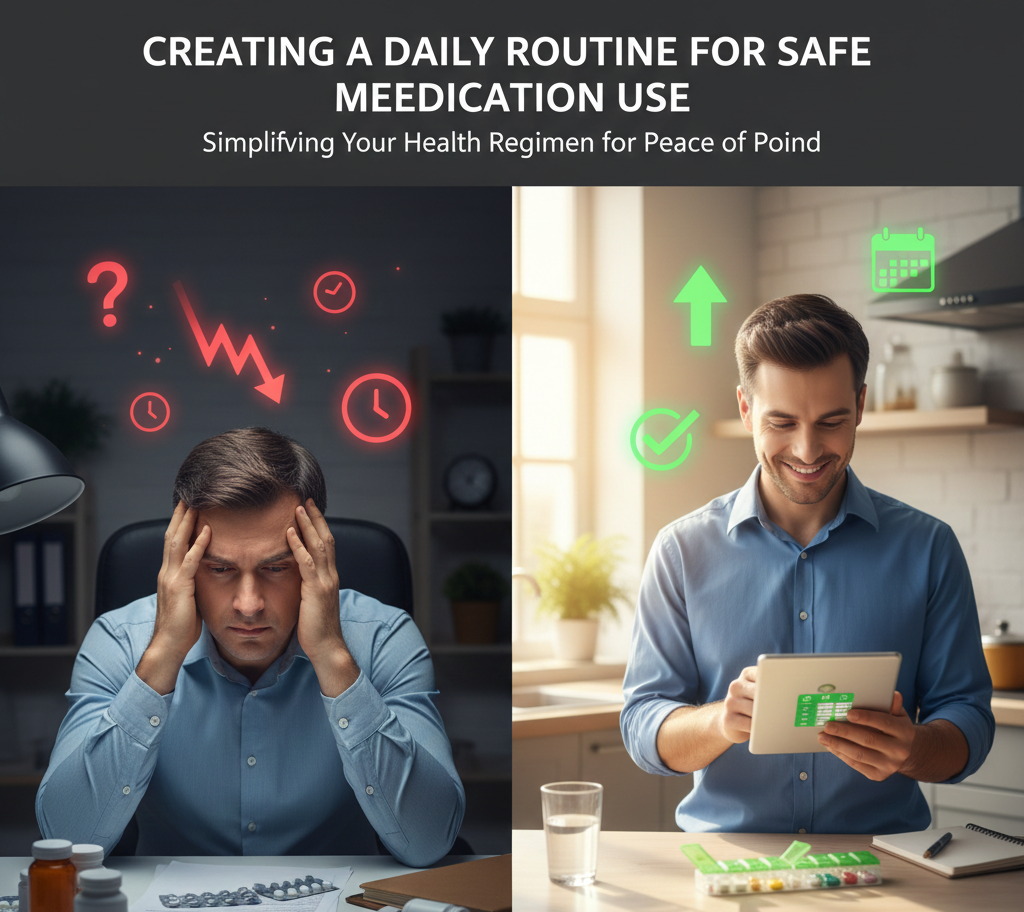
Managing medications safely is one of the most important parts of maintaining your health. Whether you take prescriptions for a chronic condition, short-term treatments, or supplements recommended by a healthcare provider, building a daily routine can help you stay consistent, avoid mistakes, and improve treatment results.
Many people struggle with missed doses, taking the wrong medication at the wrong time, or forgetting important safety instructions. A simple, structured routine makes medication use easier and safer. Let’s explore why daily medication habits matter and how you can create a routine that supports your health and well-being.
Why a Medication Routine Is Important
Taking medications exactly as prescribed helps your treatment work effectively. Skipping doses, doubling up accidentally, or taking medicine inconsistently may reduce its benefits or increase the risk of side effects.
A daily routine offers several benefits:
-
Helps you remember each dose
-
Reduces the risk of medication errors
-
Maintains steady drug levels in the body
-
Improves long-term treatment outcomes
-
Creates healthy and predictable habits
Consistency is especially important for medications used to manage pain, anxiety, sleep problems, heart conditions, diabetes, or other long-term health concerns.
Step 1: Understand Your Medications First
Before creating a routine, you should clearly understand what you are taking and why. Always know:
-
The name of each medication
-
What condition it treats
-
The correct dose and timing
-
Whether to take it with food or water
-
Possible side effects
-
Special precautions
Keeping a simple medication list can help you stay organized. Include prescription drugs, over-the-counter medicines, and supplements to avoid harmful interactions.
Step 2: Set Fixed Times for Each Dose
One of the easiest ways to build a routine is by linking medication use to regular daily activities. For example:
-
Morning medications with breakfast
-
Afternoon doses with lunch
-
Evening medications before dinner
-
Nighttime medications before sleep
Using consistent timing each day reduces confusion and builds muscle memory, making it easier to stay on track.
Step 3: Use Visual Reminders and Tools
Modern tools make medication management much easier. Helpful options include:
-
Pill organizers labeled by day or time
-
Smartphone reminders or health apps
-
Alarm clocks or timers
-
Written schedules on a calendar
-
Sticky notes in visible places
These small reminders help prevent missed doses, especially if you take multiple medications.
Step 4: Create a Safe Storage System
Medication safety also depends on proper storage. Keep your medications:
-
In a cool, dry place unless otherwise instructed
-
Away from direct sunlight or heat
-
Out of reach of children and pets
-
In original labeled containers
Avoid mixing different medications into unmarked bottles. Clear labeling prevents dangerous mistakes.
Step 5: Track How You Feel
Your daily routine should also include checking how your body responds to medication. Pay attention to:
-
New symptoms
-
Unusual reactions
-
Changes in mood or energy
-
Improvements or lack of improvement
Keeping a simple symptom journal can help you discuss concerns with your healthcare provider and adjust treatment if necessary.
Step 6: Avoid Common Medication Mistakes
Even with good intentions, mistakes can happen. Some common errors include:
-
Taking extra doses after forgetting one
-
Mixing medications without professional advice
-
Stopping treatment suddenly
-
Sharing prescriptions with others
-
Ignoring instructions about food or alcohol
If you miss a dose, follow medical guidance rather than guessing what to do next.
Step 7: Plan for Busy Days and Travel
Life doesn’t always follow a perfect schedule. Preparing for disruptions helps you stay consistent.
Consider these tips:
-
Carry a small travel pill case
-
Set mobile reminders across time zones
-
Keep a backup medication list
-
Pack extra doses when traveling
-
Maintain hydration and meal schedules
Planning ahead prevents skipped doses during busy or unexpected situations.
Step 8: Involve Family or Caregivers When Needed
If you manage multiple medications or care for older adults, involving a trusted family member can provide extra safety.
Support systems may help with:
-
Monitoring medication timing
-
Picking up refills
-
Watching for side effects
-
Providing reminders
Open communication ensures everyone understands the treatment plan.
Step 9: Schedule Regular Medication Reviews
Your routine should include periodic check-ins with healthcare professionals. Regular reviews help ensure that:
-
Your medications are still necessary
-
Dosages remain appropriate
-
Side effects are monitored
-
New prescriptions don’t conflict with existing ones
Medication needs may change over time, so ongoing evaluation is essential.
Step 10: Combine Medication Habits With Healthy Lifestyle Choices
A medication routine works best when paired with a balanced lifestyle. Supporting habits include:
-
Regular sleep schedules
-
Balanced meals
-
Staying physically active
-
Managing stress levels
-
Drinking enough water
These healthy practices can enhance treatment results and improve overall well-being.
Tips for Staying Consistent Long-Term
Building a routine takes patience. If you struggle with consistency, try:
-
Starting with simple, easy reminders
-
Tracking daily progress
-
Celebrating small successes
-
Adjusting timing if it doesn’t fit your schedule
-
Asking healthcare professionals for support
Over time, safe medication habits become automatic and easier to maintain.
Final Thoughts
Creating a daily routine for safe medication use is one of the most effective ways to protect your health. Consistent habits reduce mistakes, improve treatment outcomes, and help you feel more in control of your wellness journey.
Start by understanding your medications, setting clear schedules, using reminders, and maintaining open communication with healthcare professionals. With a structured routine and a little planning, medication management becomes simpler, safer, and more effective.
Remember, your routine should support your life—not overwhelm it. Small daily actions can lead to better health, fewer complications, and greater peace of mind.
FAQs
Is guilt a symptom of depression?
Yes, excessive or guilt is listed as a core symptom of Major Depressive Disorder in the DSM-5.
Can guilt cause depression?
While guilt alone doesn’t cause depression, chronic guilt can contribute to its development and worsen existing symptoms.
How do I stop feeling guilty when depressed?
Working with a therapist, practicing self-compassion, and potentially using medication can help manage guilt associated with depression.

Contact us
Have questions? Reach out and we’ll get back to you shortly.
Content
Guilt and Depression at a Glance
How Guilt and Depression Interact
Coping When You’re
Depressed and Feeling Guilty
Evidence-Based Treatments
When to Seek Help
How Loved Ones Can Help
FAQs