
Blog
Natural Supplements vs Prescription Drugs

Author:
Medical Writer
Saya Des Marais

Medical Reviewer:
Dr. Russell A. Barkley, Ph.D
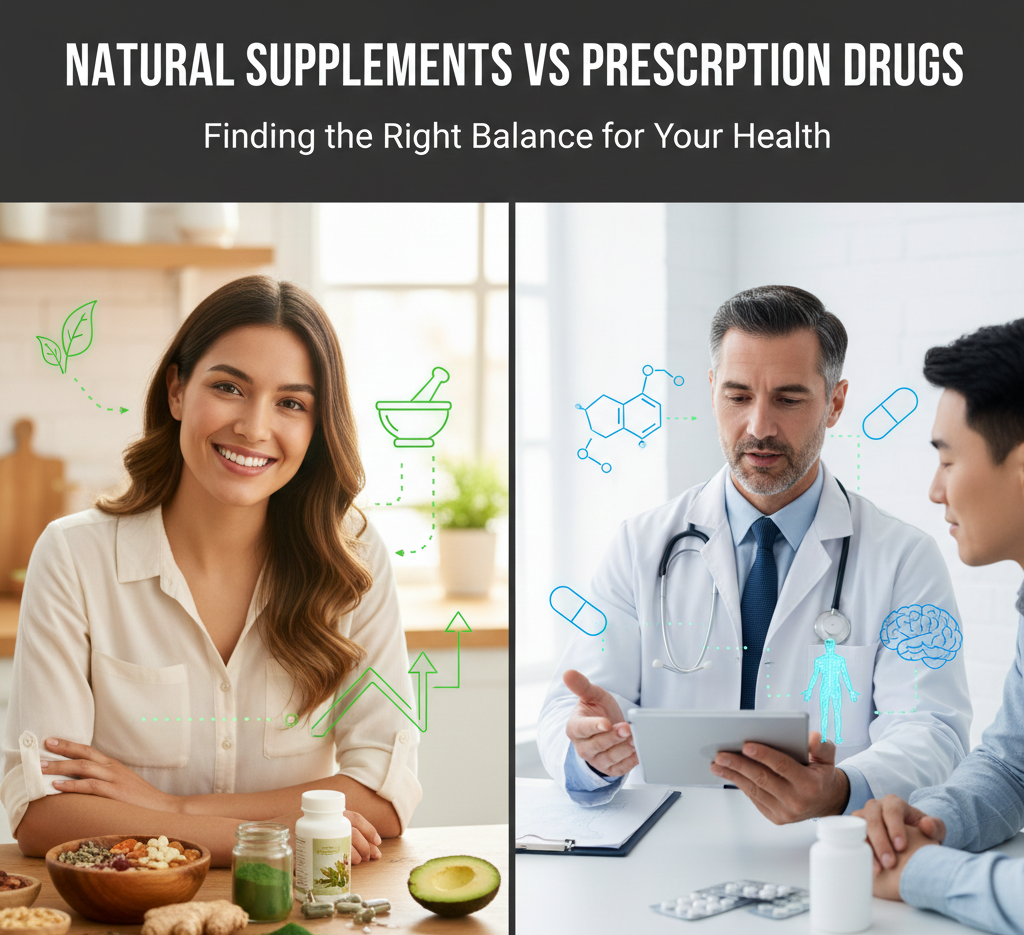
Many people today are exploring different ways to improve their health, from traditional prescription medications to natural supplements and herbal remedies. Some individuals prefer supplements because they seem more “natural,” while others rely on prescription drugs for proven medical treatment. Understanding the differences between these options is essential for making safe and informed decisions.
Both natural supplements and prescription medications have benefits and risks. They may also interact with each other in ways that affect treatment outcomes. In this article, we’ll explore how supplements and prescription drugs differ, when each may be appropriate, and how to use them safely under professional guidance.
What Are Natural Supplements?
Natural supplements include vitamins, minerals, herbal products, and plant-based compounds that are often used to support general health and wellness. Examples include vitamin D, omega-3 fatty acids, turmeric, melatonin, and herbal extracts such as ginseng or valerian root.
People may take supplements to:
-
Improve energy or immune function
-
Support sleep or relaxation
-
Reduce inflammation
-
Manage mild mood changes
-
Fill nutritional gaps
While supplements are widely available over the counter, they are not always regulated or tested in the same way as prescription medications.
What Are Prescription Drugs?
Prescription medications are pharmaceutical treatments approved for specific medical conditions. They undergo extensive research, clinical trials, and regulatory review to demonstrate safety and effectiveness. Doctors prescribe these medications to treat or manage illnesses such as depression, anxiety, infections, chronic pain, heart disease, and many other health conditions.
Prescription drugs are designed to target specific biological processes in the body and are typically monitored by healthcare professionals to ensure proper dosing and minimize risks.
Key Differences Between Supplements and Prescription Drugs
1. Regulation and Testing
Prescription drugs must meet strict safety and effectiveness standards before approval. Supplements, however, may not undergo the same level of testing, which means their quality and potency can vary between brands.
2. Intended Purpose
Prescription medications are usually intended to treat diagnosed medical conditions, while supplements are often marketed for general wellness or mild symptoms.
3. Dosage and Strength
Medications typically contain precise doses designed to produce measurable effects. Supplements may have varying concentrations and may not always produce consistent results.
4. Medical Supervision
Prescription drugs are taken under professional guidance, whereas many people use supplements without consulting a healthcare provider — which can increase risks.
Effectiveness: Supplements vs Medications
Prescription medications are usually supported by strong clinical research showing how they work and what results to expect. Supplements may provide benefits for certain individuals, but scientific evidence varies widely.
For example:
-
Some supplements may help with mild sleep issues or nutritional deficiencies.
-
Prescription drugs are often necessary for serious conditions such as severe depression, chronic pain, or infections.
It’s important to remember that “natural” does not always mean effective or safe for treating medical disorders.
Safety Considerations
1. Side Effects
Both supplements and prescription drugs can cause side effects. Herbal products may affect the liver, digestive system, or nervous system, while medications may have predictable side effects based on dosage and usage.
2. Drug Interactions
Supplements can interact with prescription medications, sometimes reducing effectiveness or increasing toxicity. For example, certain herbal products may affect blood clotting, heart rate, or mood-related neurotransmitters.
3. Quality Control Issues
Because supplement manufacturing standards vary, some products may contain inconsistent ingredient levels or contaminants.
Mental Health Treatments: Supplements vs Medication
In mental health care, some individuals turn to supplements such as herbal calming agents or vitamins. While these may support mild symptoms, prescription medications are often necessary for moderate to severe conditions.
For example:
-
Supplements may help promote relaxation or improve sleep quality.
-
Prescription antidepressants or anti-anxiety medications may be required for clinical disorders.
Using supplements without professional guidance may delay proper treatment or create unexpected interactions.
Pain Management Approaches
Some people prefer natural anti-inflammatory supplements for minor discomfort. However, prescription pain medications may be needed for injuries, surgical recovery, or chronic conditions.
Combining supplements with pain medications without professional advice can increase risks such as bleeding or stomach irritation. Always inform healthcare providers about any supplement use.
When Supplements May Be Helpful
Natural supplements may be appropriate for:
-
Supporting general health and nutrition
-
Addressing vitamin deficiencies
-
Complementing medical treatment plans
-
Managing mild symptoms under supervision
Healthcare providers may recommend supplements as part of a comprehensive treatment strategy.
When Prescription Drugs Are Necessary
Prescription medications are often required for:
-
Serious mental health disorders
-
Chronic medical conditions
-
Acute infections or injuries
-
Severe pain or neurological disorders
-
Conditions requiring precise dosing
Relying solely on supplements for serious illnesses can delay effective treatment and worsen health outcomes.
Common Misconceptions
“Natural Means Safe”
Natural products can still cause strong biological effects and side effects.
“Prescription Drugs Are Always Harmful”
When used correctly, prescription medications are carefully tested and monitored for safety.
“Supplements Can Replace Medication”
For many conditions, supplements alone cannot provide the therapeutic effects needed for recovery.
Tips for Using Supplements and Medications Safely
1. Inform Your Healthcare Provider
Always disclose any supplements, herbs, or vitamins you are taking.
2. Avoid Self-Diagnosing
Consult a professional before replacing prescribed treatments with supplements.
3. Choose High-Quality Products
Look for reputable brands and third-party testing when selecting supplements.
4. Follow Prescribed Dosages
Never exceed recommended doses for either supplements or medications.
5. Monitor Symptoms Carefully
Track any changes in mood, energy, sleep, or physical health after starting new products.
The Importance of a Balanced Approach
Rather than viewing supplements and prescription drugs as opposing choices, many healthcare professionals recommend a balanced approach. Supplements may support overall wellness, while prescription medications address specific medical conditions.
Combining lifestyle habits — such as proper nutrition, sleep, exercise, and stress management — with appropriate medical treatments often leads to the best long-term outcomes.
Conclusion
Natural supplements and prescription drugs serve different purposes in healthcare. Supplements may support general wellness and mild symptoms, while prescription medications are designed to treat specific medical conditions with proven effectiveness. Both options carry potential benefits and risks, and combining them without professional guidance can lead to interactions or complications.
The safest approach is to work closely with healthcare providers when deciding whether to use supplements, medications, or both. By making informed choices and prioritizing safety, individuals can create treatment plans that support overall health and well-being.
Medical Disclaimer:
This article is for educational purposes only and should not replace professional medical advice. Always consult a qualified healthcare professional before starting, stopping, or adjusting any medication or supplement regimen.
FAQs
Is guilt a symptom of depression?
Yes, excessive or guilt is listed as a core symptom of Major Depressive Disorder in the DSM-5.
Can guilt cause depression?
While guilt alone doesn’t cause depression, chronic guilt can contribute to its development and worsen existing symptoms.
How do I stop feeling guilty when depressed?
Working with a therapist, practicing self-compassion, and potentially using medication can help manage guilt associated with depression.

Contact us
Have questions? Reach out and we’ll get back to you shortly.
Content
Guilt and Depression at a Glance
How Guilt and Depression Interact
Coping When You’re
Depressed and Feeling Guilty
Evidence-Based Treatments
When to Seek Help
How Loved Ones Can Help
FAQs