
Blog
Alcohol and Prescription Drugs – Safety Tips

Author:
Medical Writer
Saya Des Marais

Medical Reviewer:
Dr. Russell A. Barkley, Ph.D
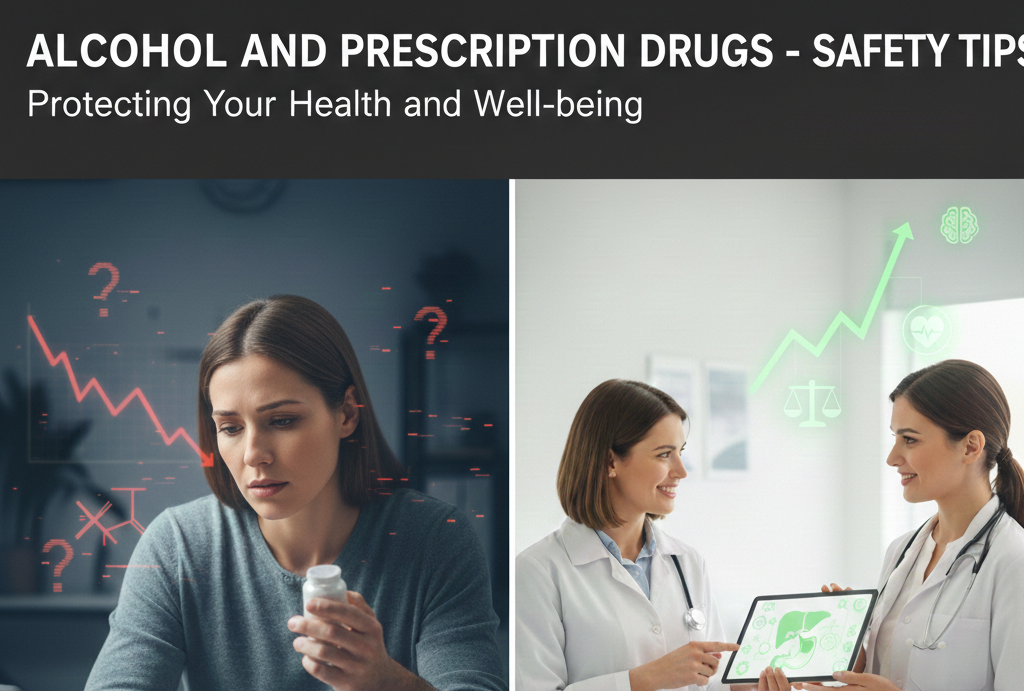
Alcohol is a common part of social gatherings and daily routines for many people. However, when combined with prescription medications, alcohol can significantly alter how drugs work in the body. Even small amounts of alcohol may increase side effects, reduce medication effectiveness, or create dangerous health risks.
Many individuals assume that moderate drinking is harmless while taking medications, but this is not always true. The interaction between alcohol and prescription drugs depends on factors such as the type of medication, dosage, individual health conditions, and how the body metabolizes substances. Understanding these interactions is essential for maintaining safety and achieving the best treatment outcomes.
In this article, we’ll explore how alcohol affects medication effectiveness, which drugs are most sensitive to alcohol interactions, potential risks, and practical safety tips to protect your health.
How Alcohol Interacts with Medications
Alcohol affects the central nervous system, liver function, and metabolic processes — all of which play key roles in how medications are absorbed and processed.
1. Slowed or Altered Metabolism
Both alcohol and many medications are processed by the liver. When alcohol is present, the liver may prioritize breaking down alcohol first, which can cause medications to stay in the body longer than intended. This may increase the risk of toxicity or side effects.
2. Increased Sedation
Alcohol has depressant effects that slow brain activity. When combined with medications that also cause drowsiness or relaxation, the sedative effects may be amplified, leading to dangerous levels of impairment.
3. Reduced Medication Effectiveness
In some cases, alcohol interferes with how medications work, making treatments less effective. This is particularly important for mental health medications that require consistent brain chemistry.
4. Increased Risk of Side Effects
Alcohol may worsen nausea, dizziness, headaches, and fatigue — symptoms that are common side effects of many medications.
Mental Health Medications and Alcohol
Combining alcohol with mental health medications is especially risky. Drugs used to treat depression, anxiety, mood disorders, or insomnia often affect brain chemistry, and alcohol can counteract their benefits.
Potential risks include:
-
Increased drowsiness or confusion
-
Worsening depression or anxiety symptoms
-
Impaired judgment and coordination
-
Reduced effectiveness of treatment
Even occasional drinking may disrupt the progress made with therapy or medication adjustments.
Pain Medications and Alcohol
Pain medications, particularly those with sedative properties, can become dangerous when mixed with alcohol. The combined effects may slow breathing, increase dizziness, and heighten the risk of accidental injury.
Some individuals may not realize that over-the-counter pain medications can also interact with alcohol, increasing the risk of liver damage or stomach irritation.
Sleep Medications and Alcohol
Sleep aids are designed to promote relaxation and drowsiness. When combined with alcohol, these effects may become unpredictable or excessive. Instead of improving sleep, alcohol can disrupt sleep cycles, reduce deep sleep, and increase nighttime awakenings.
The combination may also increase the risk of memory problems or unusual behaviors during sleep.
Heart, Blood Pressure, and Diabetes Medications
Alcohol can affect blood pressure, heart rate, and blood sugar levels, potentially interfering with medications used to manage these conditions.
Possible risks include:
-
Sudden drops or spikes in blood pressure
-
Irregular heart rhythms
-
Low blood sugar episodes
-
Increased dehydration
Individuals with chronic health conditions should discuss alcohol use with their healthcare providers to avoid complications.
Factors That Influence Alcohol and Drug Interactions
Not everyone reacts to alcohol and medications in the same way. Several factors can influence the level of risk:
-
Age and body weight
-
Gender and metabolism
-
Existing medical conditions
-
Medication dosage and timing
-
Frequency and amount of alcohol consumption
-
Use of multiple medications
Even medications considered “safe” with occasional alcohol use may become risky under certain conditions.
Warning Signs of Dangerous Interactions
Seek medical advice if you notice:
-
Extreme drowsiness or confusion
-
Difficulty breathing
-
Severe dizziness or fainting
-
Rapid heart rate
-
Nausea or vomiting
-
Sudden mood changes or agitation
These symptoms may indicate serious interactions and require prompt attention.
Safety Tips for Combining Alcohol and Prescription Drugs
1. Always Read Medication Labels
Many prescription labels include warnings about alcohol use. Follow these instructions carefully.
2. Consult a Healthcare Professional
Before drinking alcohol while taking medication, ask your healthcare provider or pharmacist about potential risks.
3. Avoid Mixing Alcohol with Sedatives
Medications that cause drowsiness or relaxation should not be combined with alcohol unless specifically approved by a professional.
4. Limit or Avoid Alcohol During New Treatments
When starting a new medication, avoid alcohol until you understand how the drug affects your body.
5. Monitor Your Body’s Response
If you choose to drink occasionally with professional approval, pay close attention to how your body reacts and avoid increasing alcohol intake.
6. Stay Hydrated and Eat Balanced Meals
Food and hydration may help reduce some alcohol-related side effects, although they do not eliminate interaction risks.
When to Avoid Alcohol Completely
In some situations, alcohol should be avoided entirely, such as:
-
During treatment with strong sedatives or certain mental health medications
-
When taking medications that affect liver function
-
If you have a history of substance misuse
-
During recovery from surgery or serious illness
-
When experiencing severe depression or anxiety symptoms
Healthcare providers can offer personalized guidance based on individual medical history.
The Benefits of Reducing Alcohol While on Medication
Reducing or eliminating alcohol while taking prescription drugs may lead to:
-
Improved medication effectiveness
-
Better sleep and mood stability
-
Reduced risk of side effects
-
Enhanced overall physical health
-
Faster recovery from illness or injury
Many individuals notice significant improvements in treatment outcomes when alcohol consumption is minimized.
Conclusion
Alcohol can have a powerful impact on how prescription medications work. From increasing sedation and side effects to reducing treatment effectiveness, combining alcohol with certain drugs may pose serious health risks. Understanding these interactions and following safety guidelines can help protect your health while supporting successful treatment outcomes.
Always communicate openly with healthcare providers about alcohol use and medications. By making informed decisions and prioritizing safety, individuals can reduce risks and maximize the benefits of their prescribed treatments.
Medical Disclaimer:
This article is for educational purposes only and should not replace professional medical advice. Always consult a qualified healthcare professional before starting, stopping, or adjusting any medication or treatment plan.
FAQs
Is guilt a symptom of depression?
Yes, excessive or guilt is listed as a core symptom of Major Depressive Disorder in the DSM-5.
Can guilt cause depression?
While guilt alone doesn’t cause depression, chronic guilt can contribute to its development and worsen existing symptoms.
How do I stop feeling guilty when depressed?
Working with a therapist, practicing self-compassion, and potentially using medication can help manage guilt associated with depression.

Contact us
Have questions? Reach out and we’ll get back to you shortly.
Content
Guilt and Depression at a Glance
How Guilt and Depression Interact
Coping When You’re
Depressed and Feeling Guilty
Evidence-Based Treatments
When to Seek Help
How Loved Ones Can Help
FAQs