
Blog
Sleep Hygiene and Medication Effectiveness

Author:
Medical Writer
Saya Des Marais

Medical Reviewer:
Dr. Russell A. Barkley, Ph.D
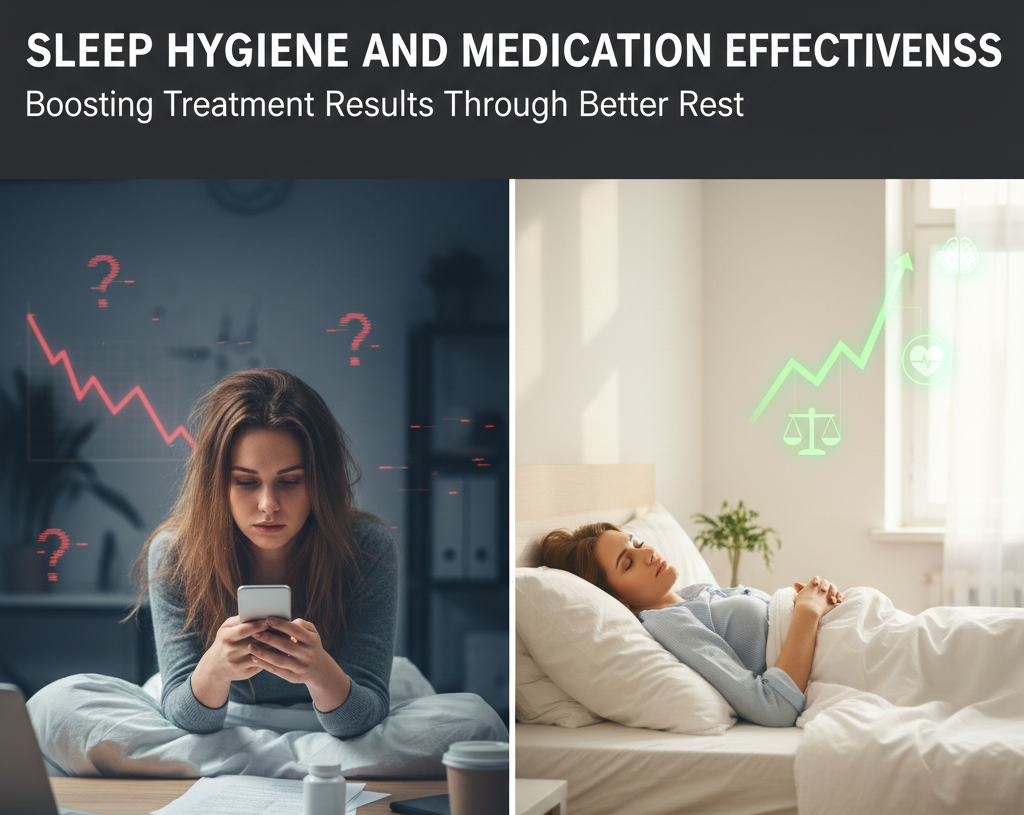
Sleep plays a vital role in both physical and mental health. While many people understand that quality rest improves mood and energy levels, fewer realize that sleep hygiene can also influence how medications work in the body. Whether you take antidepressants, anti-anxiety drugs, pain medications, or treatments for chronic conditions, your sleep patterns may directly affect how effective those medications are.
Poor sleep can interfere with the body’s ability to absorb, metabolize, and respond to medication. On the other hand, healthy sleep habits can improve treatment outcomes, reduce side effects, and help medications work as intended. In this article, we’ll explore the connection between sleep hygiene and medication effectiveness, why it matters, and how to develop better sleep habits while following your treatment plan.
What Is Sleep Hygiene?
Sleep hygiene refers to the daily habits and environmental factors that influence the quality and consistency of your sleep. It includes routines such as maintaining a regular bedtime, limiting screen exposure before sleep, creating a comfortable sleep environment, and managing caffeine intake.
Good sleep hygiene supports the body’s natural circadian rhythm — the internal clock that regulates sleep and wake cycles. When this rhythm is disrupted, it can affect hormone production, brain chemistry, and many bodily functions that influence how medications work.
Why Sleep Matters for Medication Effectiveness
Sleep is not just a period of rest; it is an active process that helps regulate brain activity, immune function, metabolism, and emotional balance. These processes are closely linked to medication performance.
1. Drug Absorption and Processing
During sleep, the body repairs tissues and regulates metabolic processes. Consistent sleep helps maintain stable liver enzyme activity, which is essential for breaking down medications correctly. Poor sleep may alter metabolism, leading to reduced effectiveness or increased side effects.
2. Hormonal Balance
Sleep helps regulate hormones such as cortisol, melatonin, and growth hormone. Hormonal imbalances caused by poor sleep may change how medications interact with the body, especially drugs related to mood disorders and stress management.
3. Brain Function and Neurotransmitters
Mental health medications often target neurotransmitters like serotonin and dopamine. Sleep deprivation can disrupt these chemical systems, making medications less effective or delaying improvement.
4. Immune System Support
Adequate sleep strengthens immune function, which is essential for healing and recovery. Some medications rely on a healthy immune response to work effectively.
Sleep and Mental Health Medications
For individuals taking medications for depression, anxiety, or other mental health conditions, sleep quality is particularly important. Lack of sleep can worsen symptoms and make it harder to determine whether a medication is working.
Examples include:
-
Antidepressants may take longer to show results when sleep is irregular.
-
Anti-anxiety medications may seem less effective if chronic insomnia increases stress levels.
-
Sleep medications themselves may lose effectiveness when underlying sleep habits remain poor.
Developing good sleep hygiene can enhance the benefits of mental health treatments and help stabilize mood over time.
Sleep and Physical Health Medications
Sleep hygiene also affects medications used for physical conditions, including:
-
Blood pressure treatments
-
Diabetes medications
-
Pain management drugs
-
Heart medications
-
Hormone therapies
Sleep deprivation may increase inflammation, blood pressure, and blood sugar levels — potentially counteracting the effects of these treatments. Consistent sleep patterns help maintain physiological balance and improve medication response.
How Poor Sleep Can Increase Side Effects
Poor sleep doesn’t only reduce medication effectiveness; it can also increase the likelihood or intensity of side effects. Sleep deprivation may heighten sensitivity to pain, nausea, dizziness, and fatigue — symptoms that are sometimes mistaken for medication problems.
Additionally, chronic sleep loss can lead to cognitive issues such as poor concentration or memory problems, which may cause people to take incorrect doses or miss medications entirely.
Behavioral Factors Linking Sleep and Treatment Success
Sleep habits influence behavior, and behavior affects medication adherence. For example:
-
Fatigue can make it harder to follow medication schedules.
-
Irregular sleep patterns may lead to missed doses.
-
Late-night eating or caffeine consumption can interfere with medication timing.
-
Increased stress due to lack of sleep may reduce motivation for treatment.
Maintaining a structured sleep routine supports consistency, which is crucial for medications that require steady levels in the bloodstream.
Signs Your Sleep Habits May Be Affecting Medication Results
Consider evaluating your sleep hygiene if you notice:
-
Medication seems less effective than expected
-
Increased side effects or fatigue
-
Mood instability despite treatment
-
Persistent insomnia or irregular sleep patterns
-
Difficulty following medication schedules
Discussing sleep habits with a healthcare provider can help identify potential adjustments to improve outcomes.
Tips for Improving Sleep Hygiene While Taking Medication
1. Establish a Consistent Sleep Schedule
Going to bed and waking up at the same time each day helps regulate circadian rhythms and supports medication stability.
2. Create a Relaxing Bedtime Routine
Activities like reading, gentle stretching, or meditation can signal the brain that it’s time to wind down.
3. Limit Screen Exposure Before Bed
Blue light from phones and computers can disrupt melatonin production, making it harder to fall asleep.
4. Manage Caffeine and Alcohol Intake
Avoid stimulants in the evening, as they can interfere with both sleep quality and medication effects.
5. Optimize Your Sleep Environment
A dark, quiet, and comfortable bedroom encourages deeper and more restorative sleep.
6. Stay Physically Active During the Day
Regular exercise supports natural sleep patterns and overall treatment success.
7. Take Medications Exactly as Prescribed
Some medications are designed to be taken at specific times to support sleep cycles. Always follow professional guidance.
When to Talk to a Healthcare Professional
If sleep problems persist or interfere with treatment, consider seeking professional advice. You should reach out if:
-
Insomnia lasts longer than a few weeks
-
Medications cause excessive drowsiness or restlessness
-
You experience worsening mood or anxiety
-
You struggle to stay consistent with medication routines
A healthcare provider may adjust medication timing, dosage, or suggest behavioral therapies to improve sleep quality.
The Role of a Holistic Treatment Approach
Medication is only one part of a successful treatment plan. Sleep hygiene, nutrition, stress management, and physical activity all contribute to overall health outcomes. Addressing sleep habits can amplify the benefits of medication and help prevent long-term complications.
By viewing treatment as a combination of lifestyle choices and medical support, patients can achieve more balanced and sustainable results.
Conclusion
Sleep hygiene plays a critical role in medication effectiveness. Quality sleep supports proper drug absorption, hormone regulation, brain function, and emotional stability — all of which influence treatment outcomes. Poor sleep, on the other hand, may reduce medication benefits, increase side effects, and interfere with recovery.
By prioritizing consistent sleep routines and healthy habits, individuals can enhance the effectiveness of their medications and improve overall well-being. If sleep challenges continue, professional guidance can help identify solutions and optimize treatment success.
Medical Disclaimer:
This article is for educational purposes only and should not replace professional medical advice. Always consult a qualified healthcare professional before starting, stopping, or adjusting any medication or treatment plan.
FAQs
Is guilt a symptom of depression?
Yes, excessive or guilt is listed as a core symptom of Major Depressive Disorder in the DSM-5.
Can guilt cause depression?
While guilt alone doesn’t cause depression, chronic guilt can contribute to its development and worsen existing symptoms.
How do I stop feeling guilty when depressed?
Working with a therapist, practicing self-compassion, and potentially using medication can help manage guilt associated with depression.

Contact us
Have questions? Reach out and we’ll get back to you shortly.
Content
Guilt and Depression at a Glance
How Guilt and Depression Interact
Coping When You’re
Depressed and Feeling Guilty
Evidence-Based Treatments
When to Seek Help
How Loved Ones Can Help
FAQs