
Blog
Can Stress Impact Medication Results?

Author:
Medical Writer
Saya Des Marais

Medical Reviewer:
Dr. Russell A. Barkley, Ph.D
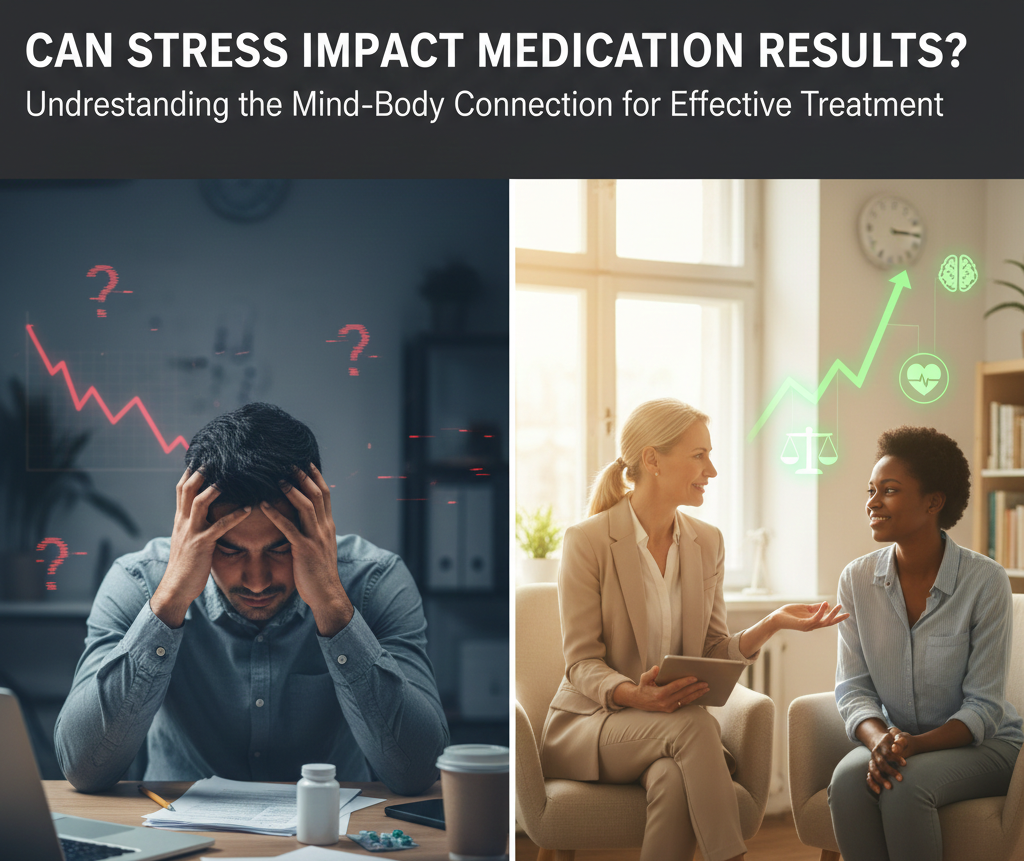
Stress is something almost everyone experiences — whether from work pressure, health concerns, financial worries, or everyday responsibilities. While most people understand that stress can affect mental and physical health, fewer realize that it can also influence how medications work in the body. From changes in absorption and metabolism to increased side effects, stress has the potential to alter treatment outcomes in surprising ways.
If you take prescription medications for anxiety, depression, pain, sleep disorders, or chronic health conditions, understanding the connection between stress and medication effectiveness can help you get better results and avoid unnecessary complications.
In this article, we’ll explore how stress impacts medication performance, why it matters, and what you can do to manage stress while following your treatment plan.
Understanding the Body’s Stress Response
When you experience stress, your body activates the “fight-or-flight” response. This survival mechanism releases hormones such as cortisol and adrenaline, which prepare you to react quickly to potential threats. While this response is useful in short bursts, chronic stress can disrupt many bodily systems — including digestion, sleep, immune function, and brain chemistry.
These physiological changes can affect how medications are absorbed, processed, and utilized by the body. Over time, chronic stress may even reduce the effectiveness of certain treatments or increase the risk of unwanted side effects.
How Stress Can Influence Medication Effectiveness
1. Changes in Drug Absorption
Stress can slow down or speed up digestion. When your digestive system is affected, medications taken orally may not be absorbed at the expected rate. For example, stress-related stomach issues such as nausea or diarrhea can reduce the amount of medication entering the bloodstream.
2. Altered Metabolism
The liver plays a major role in breaking down medications. Chronic stress may influence liver enzyme activity, potentially causing drugs to be metabolized faster or slower than intended. This could make medications less effective or increase the risk of overdose-like side effects.
3. Impact on Brain Chemistry
Stress changes neurotransmitter levels such as serotonin and dopamine. This is particularly important for mental health medications, including antidepressants and anti-anxiety drugs, because their effectiveness relies on stable brain chemistry.
4. Increased Inflammation
Long-term stress can increase inflammation in the body. Inflammatory responses may reduce how well certain medications work, especially those used for chronic pain or autoimmune conditions.
5. Sleep Disruption
Stress often interferes with sleep patterns. Poor sleep can reduce medication effectiveness, particularly for drugs targeting mood disorders, insomnia, or neurological conditions.
Mental Health Medications and Stress
Mental health medications may be especially sensitive to stress levels. When stress remains high, symptoms such as anxiety or depression may worsen despite ongoing treatment. Patients sometimes assume their medication is ineffective, when in reality, unmanaged stress may be interfering with progress.
For example:
-
Antidepressants may take longer to show benefits when stress is intense.
-
Anti-anxiety medications may seem less effective during prolonged stressful periods.
-
Sleep medications may not work as expected if stress keeps the mind overly alert.
This doesn’t mean medications aren’t helpful — it simply highlights the importance of combining medication with stress management strategies.
Physical Health Medications and Stress
Stress doesn’t only affect mental health drugs. Many physical health medications can also be influenced, including:
-
Blood pressure medications
-
Diabetes treatments
-
Pain management drugs
-
Heart medications
-
Digestive health treatments
Stress can elevate blood pressure, increase blood sugar levels, and intensify inflammation — all of which may counteract the intended effects of certain medications.
Stress and Side Effects
Another important factor is the connection between stress and medication side effects. Stress can make individuals more sensitive to physical sensations, leading to stronger perceptions of nausea, headaches, fatigue, or dizziness. In some cases, stress-related symptoms may be mistaken for medication reactions.
Additionally, chronic stress can weaken the immune system and disrupt hormonal balance, increasing vulnerability to side effects or unexpected drug interactions.
Behavioral Factors That Influence Medication Results
Stress also affects behavior, which can indirectly impact treatment outcomes. For example:
-
Skipping doses due to forgetfulness or lack of motivation
-
Taking medications incorrectly during busy or stressful days
-
Increased use of caffeine, alcohol, or tobacco
-
Changes in eating habits that alter medication absorption
These behavioral changes may reduce consistency and limit how well medications perform over time.
Signs Stress May Be Affecting Your Treatment
You may want to discuss stress with your healthcare provider if you notice:
-
Medication seems less effective during stressful periods
-
New or worsening side effects
-
Difficulty sleeping or concentrating
-
Increased anxiety or mood changes
-
Irregular medication use due to stress
Recognizing these signs early can help you make adjustments before symptoms worsen.
Practical Tips to Manage Stress While Taking Medication
1. Maintain a Consistent Routine
Taking medications at the same time each day can help maintain stable levels in the body and reduce stress-related forgetfulness.
2. Practice Relaxation Techniques
Deep breathing, meditation, and mindfulness exercises can lower cortisol levels and promote a more balanced nervous system.
3. Prioritize Sleep
Aim for regular sleep schedules and create a relaxing bedtime routine to support both mental health and medication effectiveness.
4. Stay Physically Active
Gentle exercise such as walking or yoga can help reduce stress hormones and improve overall treatment outcomes.
5. Eat Balanced Meals
Nutrition plays a role in medication absorption. Regular, balanced meals help maintain stable energy and mood levels.
6. Communicate with Your Healthcare Provider
If stress levels change or symptoms worsen, talk openly with your provider. Medication adjustments or additional support strategies may be needed.
When to Seek Professional Help
Stress becomes a serious concern when it interferes with daily functioning, relationships, or medication adherence. Consider seeking professional support if:
-
You feel overwhelmed most days
-
Panic attacks or severe anxiety occur
-
Depression symptoms intensify
-
You struggle to follow your treatment plan
Therapy, counseling, and stress management programs can complement medication and improve long-term health outcomes.
The Importance of a Holistic Approach
Medication alone is often only one part of treatment. Lifestyle factors such as stress levels, diet, sleep habits, and emotional support systems all play significant roles in recovery and symptom management. Combining medication with healthy coping strategies can improve both short-term relief and long-term success.
Remember that experiencing stress while on medication is normal — but ignoring it can reduce treatment effectiveness. By understanding how stress interacts with medications, you can take proactive steps to protect your health.
Conclusion
Stress has a powerful impact on the body and mind, and it can significantly influence how medications work. From altering absorption and metabolism to increasing side effects and reducing adherence, chronic stress can interfere with treatment outcomes in many ways.
The good news is that stress management strategies — combined with open communication with healthcare providers — can help maintain medication effectiveness and support overall well-being. A balanced approach that includes medication, lifestyle adjustments, and emotional care is often the most effective path toward long-term health and stability.
FAQs
Is guilt a symptom of depression?
Yes, excessive or guilt is listed as a core symptom of Major Depressive Disorder in the DSM-5.
Can guilt cause depression?
While guilt alone doesn’t cause depression, chronic guilt can contribute to its development and worsen existing symptoms.
How do I stop feeling guilty when depressed?
Working with a therapist, practicing self-compassion, and potentially using medication can help manage guilt associated with depression.

Contact us
Have questions? Reach out and we’ll get back to you shortly.
Content
Guilt and Depression at a Glance
How Guilt and Depression Interact
Coping When You’re
Depressed and Feeling Guilty
Evidence-Based Treatments
When to Seek Help
How Loved Ones Can Help
FAQs