
Blog
Mental Health Medication Myths vs Facts

Author:
Medical Writer
Saya Des Marais

Medical Reviewer:
Dr. Russell A. Barkley, Ph.D
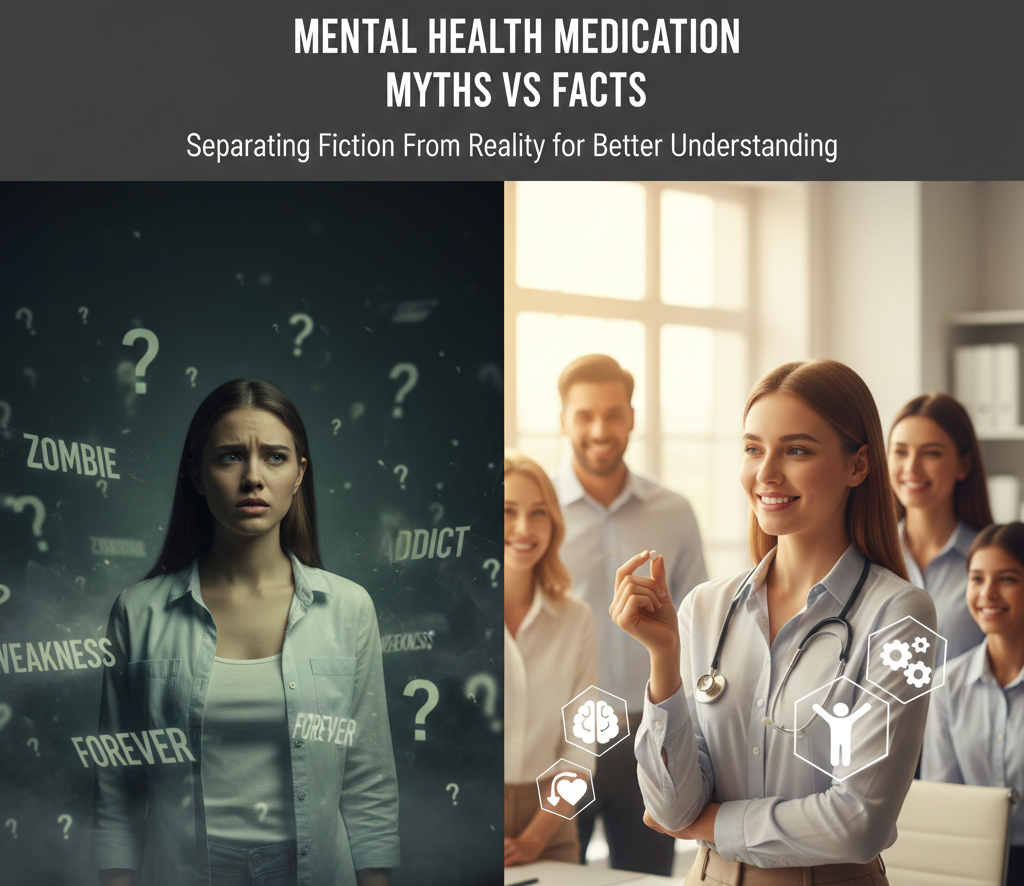
Mental health medications play a significant role in helping individuals manage conditions such as anxiety, depression, bipolar disorder, ADHD, and other psychological challenges. Despite their proven effectiveness, many misconceptions surround these treatments. Social stigma, misinformation online, and personal fears often prevent people from seeking the help they need.
Some believe mental health medications change personalities, while others assume they cause addiction or are only for severe conditions. These myths can create unnecessary anxiety and delay proper treatment.
Understanding the difference between myths and facts helps individuals make informed decisions about their mental health. This article explores common misconceptions about psychiatric medications and provides evidence-based information to clarify how these treatments actually work.
Why Mental Health Medication Myths Exist
Mental health medications affect brain chemistry, which can sound intimidating. Media portrayals, anecdotal stories, and misunderstandings about psychiatric treatment often contribute to confusion.
Common sources of myths include:
-
Social stigma around mental health
-
Personal negative experiences shared online
-
Fear of side effects
-
Lack of accurate medical education
-
Cultural beliefs about mental illness
Breaking down myths with clear facts helps normalize treatment and encourages people to seek professional support when needed.
Myth 1: Mental Health Medications Change Your Personality
Fact:
Psychiatric medications are designed to stabilize mood and reduce symptoms—not change who you are. Many individuals report feeling more like themselves after treatment because symptoms such as severe anxiety or depression become more manageable.
While emotional changes can occur during the adjustment period, healthcare providers monitor patients closely to ensure the medication improves overall well-being rather than altering identity.
Myth 2: Mental Health Medications Work Instantly
Fact:
Most psychiatric medications require time to become effective. Antidepressants, for example, often take several weeks before noticeable improvements appear. Early benefits may include better sleep or reduced anxiety, while mood improvements develop gradually.
Patience and consistent use are essential, and doctors may adjust dosage or medication type during the early stages of treatment.
Myth 3: All Mental Health Medications Are Addictive
Fact:
Not all psychiatric medications carry addiction risks. While certain fast-acting anti-anxiety medications can cause dependence if misused, many commonly prescribed treatments—such as antidepressants—are not considered addictive.
Dependence and addiction are different concepts. Physical dependence can occur with various medications, but responsible use under medical supervision significantly reduces risk.
Myth 4: Medication Means Your Condition Is Severe
Fact:
Medication is not only for extreme mental health conditions. Many individuals with moderate anxiety or depression benefit from medication, especially when symptoms interfere with daily life.
Treatment plans are personalized. Some people require short-term medication during stressful life events, while others may benefit from longer-term support.
Myth 5: Once You Start Medication, You Can Never Stop
Fact:
Many individuals use mental health medications temporarily. Healthcare providers often develop a long-term plan that may include tapering medication once symptoms improve.
Stopping medication should always be done gradually and under medical supervision to prevent withdrawal symptoms or relapse. The decision depends on individual progress and treatment goals.
Myth 6: Therapy Is Always Better Than Medication
Fact:
Therapy and medication serve different purposes and are often most effective when combined. Therapy addresses emotional patterns and coping strategies, while medication helps regulate brain chemistry.
Some people improve with therapy alone, while others require medication to stabilize symptoms enough to engage effectively in counseling.
Myth 7: Mental Health Medications Are Unsafe
Fact:
All medications carry potential risks, but psychiatric medications undergo extensive clinical testing before approval. When prescribed appropriately and monitored by healthcare professionals, they are considered safe and effective for many individuals.
Regular follow-ups help manage side effects and ensure treatment remains beneficial.
Myth 8: Side Effects Are Always Severe
Fact:
While side effects can occur, many are mild and temporary. Common early effects may include mild nausea, fatigue, or sleep changes. Healthcare providers often start with low doses to minimize discomfort.
Not everyone experiences side effects, and adjustments can be made if problems arise.
The Benefits of Mental Health Medications
When used responsibly, mental health medications can provide meaningful improvements in daily functioning and emotional stability.
Potential Benefits
-
Reduced anxiety and panic symptoms
-
Improved mood and motivation
-
Better sleep patterns
-
Increased ability to focus and concentrate
-
Greater participation in therapy and daily activities
These benefits often enhance overall quality of life and support long-term mental health recovery.
The Importance of Personalized Treatment
Mental health treatment is not one-size-fits-all. What works well for one person may not be ideal for another. Healthcare providers consider:
-
Medical history
-
Symptom severity
-
Lifestyle and daily responsibilities
-
Previous treatment experiences
-
Personal treatment preferences
Collaborative decision-making between patients and professionals leads to better outcomes and greater confidence in treatment plans.
Tips for Safe Medication Use
-
Follow your prescription instructions carefully.
-
Attend regular follow-up appointments.
-
Report any unusual side effects promptly.
-
Avoid alcohol or recreational substances unless approved by your doctor.
-
Combine medication with therapy and healthy lifestyle habits.
Responsible use helps maximize benefits while minimizing risks.
Supporting Mental Health Beyond Medication
Medication is often just one part of a comprehensive treatment approach. Other strategies that support mental well-being include:
-
Counseling or psychotherapy
-
Regular physical activity
-
Balanced nutrition
-
Mindfulness and relaxation techniques
-
Consistent sleep routines
-
Strong social connections
A holistic approach improves resilience and reduces the likelihood of relapse.
When to Seek Professional Help
Consider consulting a healthcare professional if:
-
Mental health symptoms interfere with daily life
-
Mood changes persist for weeks or months
-
Anxiety or depression worsens over time
-
You experience thoughts of self-harm or emotional crisis
Early intervention increases the likelihood of successful treatment and long-term recovery.
Conclusion
Mental health medication myths can create unnecessary fear and prevent people from accessing effective treatment. In reality, psychiatric medications are carefully designed tools that help manage symptoms, improve functioning, and support recovery when used responsibly.
Understanding the facts—rather than relying on misinformation—empowers individuals to make confident decisions about their mental health. By working closely with healthcare professionals and combining medication with therapy and healthy lifestyle choices, many people achieve meaningful improvements in emotional well-being and quality of life.
FAQs
Is guilt a symptom of depression?
Yes, excessive or guilt is listed as a core symptom of Major Depressive Disorder in the DSM-5.
Can guilt cause depression?
While guilt alone doesn’t cause depression, chronic guilt can contribute to its development and worsen existing symptoms.
How do I stop feeling guilty when depressed?
Working with a therapist, practicing self-compassion, and potentially using medication can help manage guilt associated with depression.

Contact us
Have questions? Reach out and we’ll get back to you shortly.
Content
Guilt and Depression at a Glance
How Guilt and Depression Interact
Coping When You’re
Depressed and Feeling Guilty
Evidence-Based Treatments
When to Seek Help
How Loved Ones Can Help
FAQs