
Blog
What Is Clonazepam (Klonopin) Prescribed For?

Author:
Medical Writer
Saya Des Marais

Medical Reviewer:
Dr. Russell A. Barkley, Ph.D
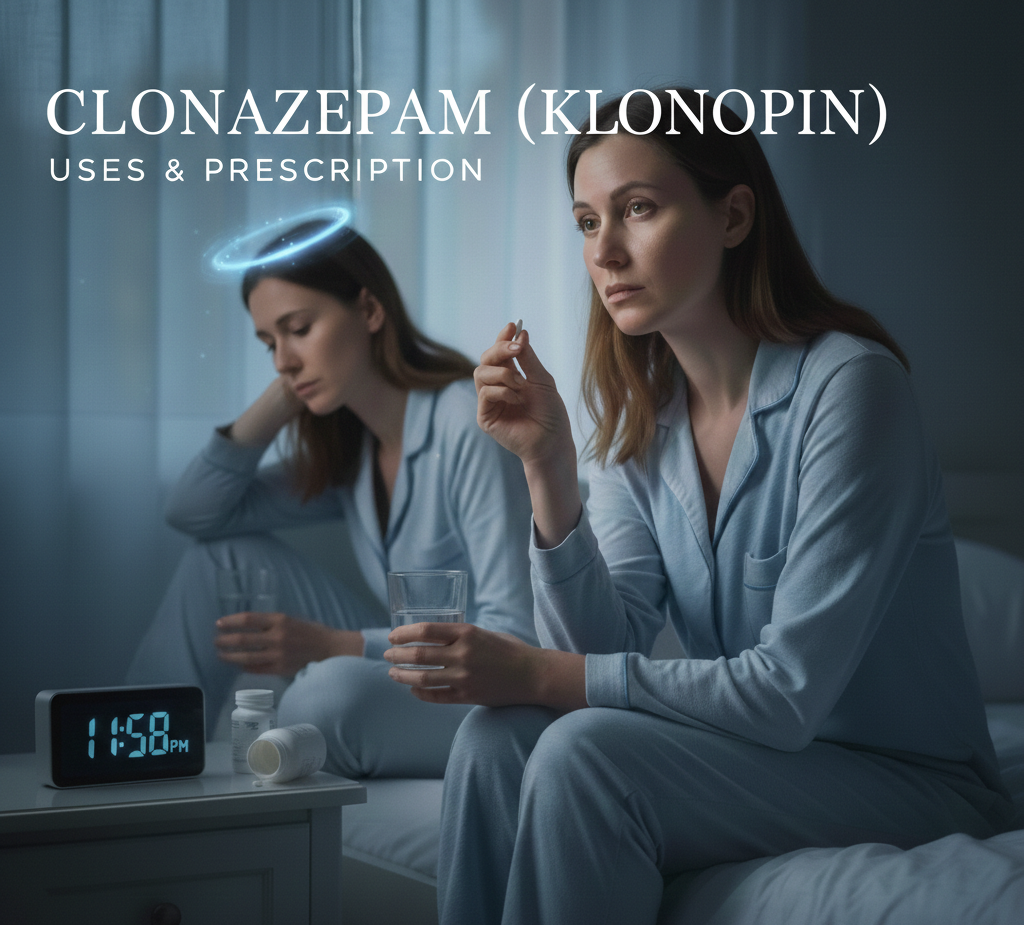
Clonazepam, commonly known by its brand name Klonopin, is a prescription medication used to treat specific neurological and mental health conditions. It belongs to a group of medications called benzodiazepines, which act on the central nervous system to produce calming and stabilizing effects.
In the United States, clonazepam is widely prescribed but carefully regulated due to its potential for dependence and side effects. Understanding what clonazepam is prescribed for—and how it works—can help patients use it safely and effectively under medical supervision.
What Is Clonazepam?
Clonazepam is a long-acting benzodiazepine. It works by enhancing the activity of gamma-aminobutyric acid (GABA), a neurotransmitter that reduces excessive electrical activity in the brain.
By increasing GABA’s calming effect, clonazepam helps:
-
Slow down overactive nerve signals
-
Reduce abnormal brain activity
-
Promote relaxation and stability
Clonazepam is available only by prescription and should be used exactly as directed by a healthcare provider.
Primary Medical Uses of Clonazepam
Clonazepam is prescribed for several well-defined medical conditions.
Seizure Disorders
One of the primary uses of clonazepam is the treatment of seizure disorders, particularly certain types of epilepsy.
It may be prescribed for:
-
Absence seizures
-
Lennox-Gastaut syndrome
-
Myoclonic seizures
Clonazepam helps control seizures by stabilizing electrical activity in the brain and reducing sudden nerve firing.
Panic Disorder
Clonazepam is commonly prescribed for panic disorder, with or without agoraphobia.
It may help reduce:
-
Frequency and intensity of panic attacks
-
Sudden feelings of fear or dread
-
Physical symptoms such as rapid heartbeat, chest tightness, and shortness of breath
Because of its longer duration of action, clonazepam may provide more sustained symptom control compared to shorter-acting benzodiazepines.
Anxiety Disorders (Selected Cases)
Although not always the first-line treatment, clonazepam may be prescribed for certain anxiety disorders when:
-
Symptoms are severe
-
Short-term symptom relief is needed
-
Other treatments have not been effective
Clonazepam is typically used as part of a broader treatment plan that may include therapy or other medications.
How Clonazepam Works in the Brain
Clonazepam enhances the effect of GABA, the brain’s main inhibitory neurotransmitter.
This action:
-
Calms overactive brain circuits
-
Reduces anxiety and panic responses
-
Helps prevent abnormal electrical discharges that cause seizures
Because clonazepam has a longer half-life, its effects last longer, which can help maintain symptom control throughout the day.
Effects of Clonazepam
Therapeutic Effects
When taken as prescribed, clonazepam may:
-
Reduce seizure frequency
-
Decrease panic attacks
-
Lower anxiety levels
-
Promote relaxation and emotional stability
Common Side Effects
Some people may experience side effects, particularly at the start of treatment or with dose changes.
Common side effects include:
-
Drowsiness
-
Fatigue
-
Dizziness
-
Impaired coordination
-
Difficulty concentrating
These effects may improve over time but should be discussed with a healthcare provider if they persist.
Safety Considerations
Risk of Dependence and Tolerance
Like all benzodiazepines, clonazepam carries a risk of:
-
Tolerance, where higher doses are needed over time
-
Physical dependence, especially with long-term use
For this reason, clonazepam is typically prescribed at the lowest effective dose and for the shortest appropriate duration.
Withdrawal Concerns
Stopping clonazepam suddenly after long-term use can lead to withdrawal symptoms such as:
-
Increased anxiety
-
Insomnia
-
Tremors
-
Seizures in severe cases
Dose reductions should always be gradual and supervised by a healthcare professional.
Interactions With Other Substances
Clonazepam can interact with:
-
Alcohol
-
Opioid medications
-
Other sedatives or sleep aids
These combinations can increase the risk of excessive sedation, slowed breathing, and serious complications.
Who Should Use Clonazepam With Caution?
Extra caution is advised for:
-
Older adults
-
Individuals with liver disease
-
People with respiratory conditions
-
Those with a history of substance use disorders
Healthcare providers evaluate these risks before prescribing clonazepam.
Clonazepam in Long-Term Treatment Plans
Clonazepam is generally not intended as a long-term standalone treatment for anxiety or panic disorders.
Long-term management may include:
-
Cognitive Behavioral Therapy (CBT)
-
Antidepressant or anti-seizure medications
-
Lifestyle and stress-management strategies
Clonazepam may be used short-term or intermittently as part of a comprehensive plan.
Proper Use and Monitoring
Safe use of clonazepam includes:
-
Taking the medication exactly as prescribed
-
Avoiding dose changes without medical approval
-
Attending follow-up appointments
-
Reporting side effects promptly
Patients should never share clonazepam with others.
When to Contact a Healthcare Provider
Medical guidance should be sought if:
-
Side effects interfere with daily activities
-
Symptoms worsen
-
Signs of dependence develop
-
There is a desire to stop or adjust treatment
Early communication helps ensure safe and effective use.
Final Thoughts
Clonazepam (Klonopin) is prescribed primarily for seizure disorders and panic disorder, with additional use in selected anxiety cases. When used responsibly under medical supervision, it can provide meaningful symptom relief. However, due to its effects on the central nervous system and potential risks, careful monitoring is essential.
Educational platforms like USA Pharmas help individuals better understand prescription medications, empowering informed discussions between patients and healthcare providers.
FAQs
Is guilt a symptom of depression?
Yes, excessive or guilt is listed as a core symptom of Major Depressive Disorder in the DSM-5.
Can guilt cause depression?
While guilt alone doesn’t cause depression, chronic guilt can contribute to its development and worsen existing symptoms.
How do I stop feeling guilty when depressed?
Working with a therapist, practicing self-compassion, and potentially using medication can help manage guilt associated with depression.

Contact us
Have questions? Reach out and we’ll get back to you shortly.
Content
Guilt and Depression at a Glance
How Guilt and Depression Interact
Coping When You’re
Depressed and Feeling Guilty
Evidence-Based Treatments
When to Seek Help
How Loved Ones Can Help
FAQs