
Blog
Understanding REM Sleep and Why It Matters

Author:
Medical Writer
Saya Des Marais

Medical Reviewer:
Dr. Russell A. Barkley, Ph.D
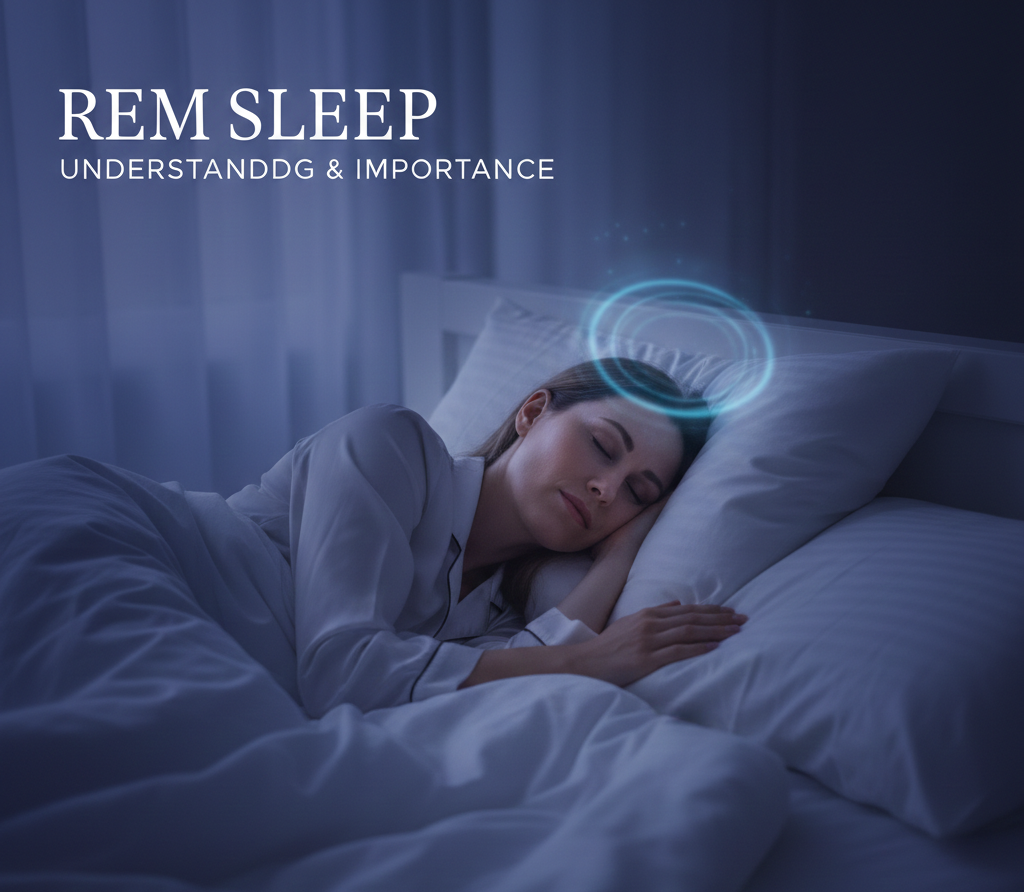
Sleep is not a single, uniform state. Instead, it is made up of several stages that cycle throughout the night, each playing a unique role in maintaining health. One of the most important—and often misunderstood—stages is Rapid Eye Movement (REM) sleep. This stage is closely linked to dreaming, memory processing, and emotional regulation.
Understanding REM sleep and why it matters can help individuals recognize how sleep quality affects mental, emotional, and physical well-being.
What Is REM Sleep?
REM sleep is one of the main stages of the sleep cycle, characterized by:
-
Rapid movement of the eyes beneath closed eyelids
-
Increased brain activity similar to wakefulness
-
Temporary muscle paralysis
-
Vivid dreaming
A typical sleep cycle lasts about 90 minutes and includes non-REM sleep stages followed by REM sleep. As the night progresses, REM periods become longer.
How REM Sleep Fits Into the Sleep Cycle
Sleep cycles repeat multiple times per night, usually four to six cycles.
The cycle includes:
-
Light non-REM sleep – Transition from wakefulness
-
Deeper non-REM sleep – Physical restoration
-
Deep sleep – Tissue repair and immune support
-
REM sleep – Brain activity, dreaming, and memory processing
REM sleep usually makes up about 20–25% of total sleep time in healthy adults.
Why REM Sleep Is Important
Memory and Learning
REM sleep plays a key role in:
-
Consolidating memories
-
Integrating new information
-
Enhancing problem-solving skills
During REM sleep, the brain processes and organizes information gathered throughout the day, supporting learning and long-term memory.
Emotional Regulation
REM sleep helps regulate emotions by processing emotional experiences.
Adequate REM sleep supports:
-
Emotional resilience
-
Stress management
-
Balanced mood
Disruptions in REM sleep have been linked to mood disorders such as anxiety and depression.
Brain Development and Cognitive Health
REM sleep is particularly important for brain development and cognitive maintenance.
It supports:
-
Neural connections
-
Creativity and imagination
-
Cognitive flexibility
REM sleep also plays a role in maintaining long-term brain health as people age.
Dreaming and REM Sleep
Most vivid dreaming occurs during REM sleep. While the exact purpose of dreaming is still being studied, it is believed to help with:
-
Emotional processing
-
Memory consolidation
-
Creative thinking
Dreams often reflect emotional themes and experiences from waking life.
What Happens When REM Sleep Is Disrupted?
Disrupted REM sleep can occur due to:
-
Sleep deprivation
-
Irregular sleep schedules
-
Stress or anxiety
-
Alcohol use
-
Certain medications
Reduced REM sleep may lead to:
-
Poor concentration
-
Emotional instability
-
Increased stress sensitivity
-
Memory difficulties
Over time, chronic REM sleep disruption can negatively affect mental health.
REM Sleep and Mental Health
REM sleep and mental health are closely connected.
Research suggests:
-
Reduced REM sleep is associated with mood disorders
-
REM sleep helps regulate emotional responses
-
Disturbed REM patterns are common in depression and anxiety
Improving sleep quality can support emotional well-being and mental resilience.
Factors That Affect REM Sleep
Alcohol and Substance Use
Alcohol suppresses REM sleep, especially during the first half of the night. Although it may help with falling asleep initially, it reduces overall sleep quality.
Sleep Schedule Irregularities
Inconsistent bedtimes and wake times can disrupt REM sleep timing and duration.
Stress and Anxiety
High stress levels can reduce REM sleep by increasing nighttime awakenings and interfering with sleep cycles.
Medications
Some medications affect REM sleep, either reducing or altering its structure. Healthcare providers consider these effects when prescribing treatments.
How to Support Healthy REM Sleep
Maintain a Consistent Sleep Schedule
Going to bed and waking up at the same time daily helps regulate sleep cycles.
Limit Alcohol and Caffeine
Avoid alcohol close to bedtime and limit caffeine intake, especially in the afternoon and evening.
Manage Stress
Relaxation techniques such as meditation, deep breathing, or journaling can help improve sleep quality.
Create a Sleep-Friendly Environment
A cool, dark, and quiet bedroom supports uninterrupted sleep cycles.
REM Sleep Changes With Age
As people age, total REM sleep may decrease slightly. However, significant disruptions are not a normal part of aging and may indicate underlying sleep issues.
Maintaining healthy sleep habits remains important at every stage of life.
When to Seek Medical Help
Medical evaluation may be needed if:
-
Sleep is consistently unrefreshing
-
Daytime cognitive or emotional symptoms persist
-
REM-related behaviors, such as acting out dreams, occur
A healthcare provider can assess sleep patterns and recommend appropriate treatment.
Final Thoughts
REM sleep is a vital component of healthy sleep, supporting memory, emotional balance, and cognitive function. While it often goes unnoticed, its impact on overall health is significant.
Prioritizing sleep habits that protect REM sleep can lead to improved mental clarity, emotional resilience, and long-term well-being. Educational platforms like USA Pharmas help raise awareness about sleep science and empower individuals to make informed decisions about their sleep health.
FAQs
Is guilt a symptom of depression?
Yes, excessive or guilt is listed as a core symptom of Major Depressive Disorder in the DSM-5.
Can guilt cause depression?
While guilt alone doesn’t cause depression, chronic guilt can contribute to its development and worsen existing symptoms.
How do I stop feeling guilty when depressed?
Working with a therapist, practicing self-compassion, and potentially using medication can help manage guilt associated with depression.

Contact us
Have questions? Reach out and we’ll get back to you shortly.
Content
Guilt and Depression at a Glance
How Guilt and Depression Interact
Coping When You’re
Depressed and Feeling Guilty
Evidence-Based Treatments
When to Seek Help
How Loved Ones Can Help
FAQs