
Blog
Can Pain Conditions Disrupt Sleep Patterns?

Author:
Medical Writer
Saya Des Marais

Medical Reviewer:
Dr. Russell A. Barkley, Ph.D
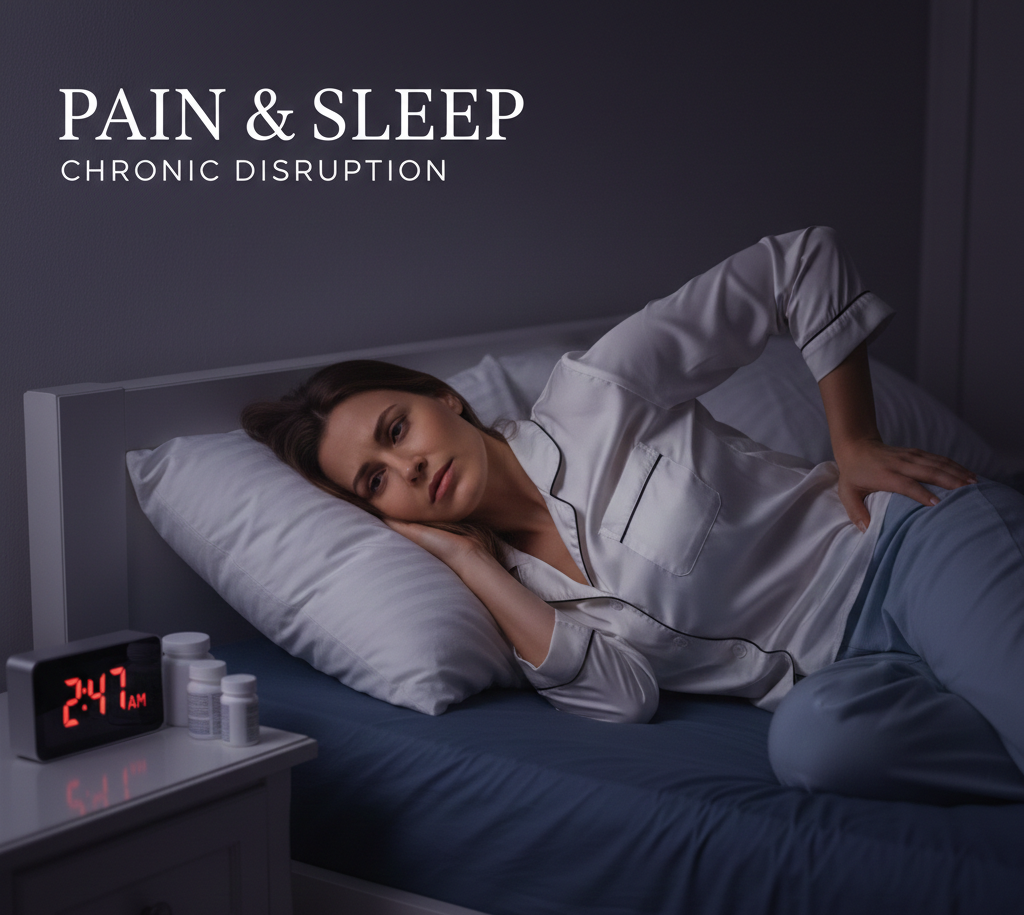
Pain and sleep share a complex, interconnected relationship. For millions of adults in the United States, living with pain—whether acute or chronic—can make it difficult to fall asleep, stay asleep, or experience restorative rest. At the same time, poor sleep can intensify pain perception, creating a challenging cycle that affects daily life and overall health.
Understanding how pain conditions disrupt sleep patterns is essential for recognizing symptoms early and exploring effective strategies to improve both sleep quality and pain management.
The Relationship Between Pain and Sleep
Pain and sleep influence each other in a bidirectional way:
-
Pain can interrupt sleep cycles
-
Poor sleep increases pain sensitivity
When the body does not receive enough restorative sleep, the nervous system becomes more reactive, lowering the pain threshold and amplifying discomfort.
Common Pain Conditions That Affect Sleep
Chronic Pain Disorders
Chronic pain conditions are among the leading causes of sleep disruption.
Examples include:
-
Arthritis
-
Fibromyalgia
-
Chronic back or neck pain
-
Neuropathic pain
-
Migraine disorders
Persistent discomfort can make it difficult to find a comfortable sleeping position and may cause frequent nighttime awakenings.
Acute Pain Conditions
Short-term pain caused by injury, surgery, or illness can also interfere with sleep.
Acute pain may:
-
Delay sleep onset
-
Cause sudden awakenings
-
Reduce total sleep time
Although temporary, untreated acute pain can still significantly impact sleep quality.
How Pain Disrupts Sleep Architecture
Sleep occurs in cycles that include light sleep, deep sleep, and REM sleep. Pain can interfere with these stages by:
-
Preventing deep sleep
-
Increasing nighttime arousals
-
Shortening REM sleep duration
As a result, individuals may spend enough time in bed but still feel unrefreshed.
Increased Pain Sensitivity From Poor Sleep
Sleep deprivation affects how the brain processes pain signals.
Poor sleep can:
-
Heighten pain perception
-
Reduce pain tolerance
-
Increase inflammation
Over time, this can worsen chronic pain conditions and make pain management more challenging.
Psychological Effects of Pain-Related Sleep Disruption
Chronic pain and poor sleep often affect mental health.
Common consequences include:
-
Increased stress
-
Anxiety and low mood
-
Irritability
-
Difficulty concentrating
These psychological effects can further disrupt sleep, reinforcing the pain–sleep cycle.
Pain Medications and Sleep
Some pain medications may influence sleep patterns.
Possible effects include:
-
Daytime drowsiness
-
Fragmented nighttime sleep
-
Reduced REM sleep
Healthcare providers carefully balance pain relief with potential sleep-related side effects when recommending treatment.
Signs Pain Is Affecting Your Sleep
You may suspect pain-related sleep disruption if you experience:
-
Difficulty finding a comfortable sleeping position
-
Frequent awakenings due to discomfort
-
Worsening pain at night or in the morning
-
Daytime fatigue despite adequate sleep time
Recognizing these signs can help guide timely intervention.
Strategies to Improve Sleep When Living With Pain
Pain Management Before Bed
-
Follow prescribed pain management plans
-
Use gentle stretching or relaxation techniques
-
Apply heat or cold therapy as recommended
Improve Sleep Environment
-
Use supportive mattresses and pillows
-
Maintain a cool, quiet, and dark bedroom
-
Adjust sleeping positions to reduce pressure
Behavioral Approaches
Cognitive Behavioral Therapy for Insomnia (CBT-I) and pain-focused behavioral therapies can help individuals:
-
Reduce sleep-related anxiety
-
Improve sleep habits
-
Manage pain-related stress
These approaches are often recommended as part of a comprehensive treatment plan.
Role of Physical Activity
Regular, appropriate physical activity can improve both pain and sleep by:
-
Reducing stiffness
-
Improving circulation
-
Enhancing sleep quality
Exercise plans should be tailored to individual pain conditions and physical ability.
When to Seek Medical Help
Professional evaluation is recommended if:
-
Pain-related sleep problems persist
-
Sleep disruption worsens pain symptoms
-
Daytime functioning is impaired
-
Medications cause unwanted side effects
Healthcare providers can assess underlying causes and adjust treatment strategies accordingly.
The Importance of Integrated Care
Addressing pain-related sleep disruption often requires a comprehensive approach that includes:
-
Pain management
-
Sleep-focused interventions
-
Mental health support
Treating sleep and pain together can improve outcomes more effectively than addressing either issue alone.
Final Thoughts
Pain conditions can significantly disrupt sleep patterns, affecting both physical comfort and emotional well-being. At the same time, poor sleep can intensify pain, creating a cycle that impacts quality of life.
Recognizing the connection between pain and sleep is the first step toward meaningful improvement. Educational platforms like USA Pharmas play an important role in helping individuals understand these relationships and encouraging informed discussions with healthcare professionals.
With proper evaluation and a personalized approach, it is possible to improve sleep quality—even while managing ongoing pain.
FAQs
Is guilt a symptom of depression?
Yes, excessive or guilt is listed as a core symptom of Major Depressive Disorder in the DSM-5.
Can guilt cause depression?
While guilt alone doesn’t cause depression, chronic guilt can contribute to its development and worsen existing symptoms.
How do I stop feeling guilty when depressed?
Working with a therapist, practicing self-compassion, and potentially using medication can help manage guilt associated with depression.

Contact us
Have questions? Reach out and we’ll get back to you shortly.
Content
Guilt and Depression at a Glance
How Guilt and Depression Interact
Coping When You’re
Depressed and Feeling Guilty
Evidence-Based Treatments
When to Seek Help
How Loved Ones Can Help
FAQs