
Blog
How Lifestyle Habits Impact Sleep Quality

Author:
Medical Writer
Saya Des Marais

Medical Reviewer:
Dr. Russell A. Barkley, Ph.D
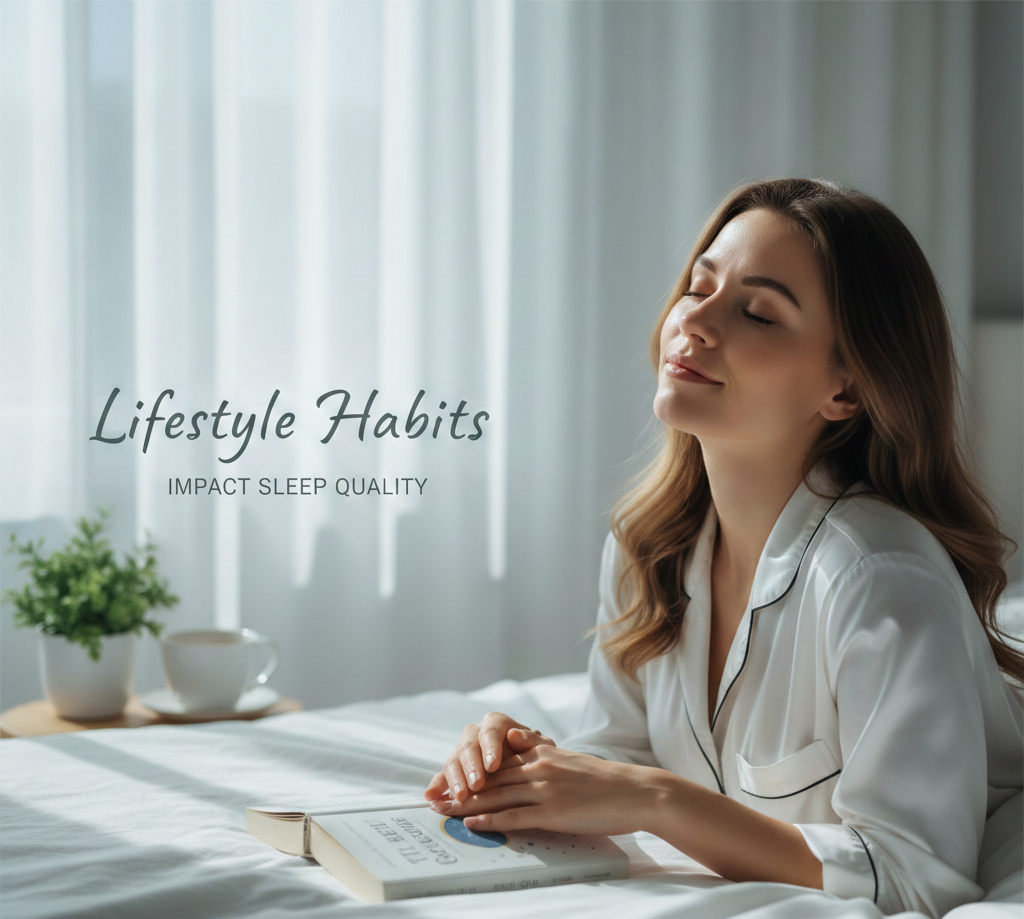
Sleep quality plays a critical role in physical health, mental well-being, and daily performance. While many people focus on sleep duration, how well you sleep is just as important as how long you sleep. Lifestyle habits—often overlooked—have a powerful influence on sleep quality.
From diet and exercise to stress levels and screen use, everyday choices can either support restorative sleep or contribute to chronic sleep problems. Understanding these connections can help individuals make practical changes that improve sleep and overall health.
The Importance of Sleep Quality
High-quality sleep allows the body and brain to:
-
Restore energy
-
Regulate hormones
-
Strengthen memory and learning
-
Support immune function
Poor sleep quality, even with adequate sleep duration, can lead to fatigue, irritability, impaired concentration, and long-term health risks.
Diet and Nutrition
Caffeine Consumption
Caffeine is a stimulant that can interfere with sleep, even when consumed earlier in the day.
Common sources include:
-
Coffee and tea
-
Energy drinks
-
Soda
-
Chocolate
Caffeine can stay in the body for several hours, making it harder to fall asleep and reducing deep sleep stages.
Alcohol and Sleep
Although alcohol may cause drowsiness initially, it disrupts sleep cycles later in the night.
Effects of alcohol on sleep include:
-
Frequent awakenings
-
Reduced REM sleep
-
Increased snoring
Limiting alcohol intake, especially in the evening, supports better sleep quality.
Meal Timing and Food Choices
Heavy or spicy meals close to bedtime can cause discomfort, indigestion, or acid reflux, making sleep difficult.
Helpful dietary habits include:
-
Eating dinner at least 2–3 hours before bedtime
-
Choosing lighter evening meals
-
Avoiding excessive sugar late at night
Physical Activity and Sleep
Benefits of Regular Exercise
Regular physical activity improves sleep quality by:
-
Increasing total sleep time
-
Reducing sleep onset latency
-
Promoting deeper sleep
Exercise also helps regulate circadian rhythms and reduce stress.
Timing Matters
While exercise is beneficial, intense workouts too close to bedtime may increase alertness. Morning or early afternoon activity is generally best for sleep.
Screen Time and Technology Use
Blue Light Exposure
Electronic devices emit blue light, which suppresses melatonin production—the hormone responsible for sleep.
Excessive screen use before bed can:
-
Delay sleep onset
-
Reduce sleep quality
-
Disrupt circadian rhythms
Mental Stimulation
Beyond light exposure, engaging with stimulating content—such as work emails or social media—keeps the brain alert, making it harder to unwind.
Reducing screen use at least one hour before bedtime can significantly improve sleep.
Stress and Emotional Well-Being
Impact of Stress on Sleep
Chronic stress activates the body’s stress response, increasing cortisol levels and making relaxation difficult.
Stress-related sleep issues include:
-
Racing thoughts at bedtime
-
Nighttime awakenings
-
Non-restorative sleep
Stress Management Techniques
Healthy ways to reduce stress include:
-
Meditation or mindfulness practices
-
Deep breathing exercises
-
Journaling
-
Gentle stretching
Managing stress improves both sleep quality and mental health.
Sleep Schedule Consistency
Irregular Sleep Patterns
Going to bed and waking up at different times disrupts the body’s internal clock.
Inconsistent schedules can:
-
Reduce sleep efficiency
-
Cause daytime fatigue
-
Make falling asleep harder
Benefits of Routine
Maintaining consistent sleep and wake times—even on weekends—helps regulate circadian rhythms and improves overall sleep quality.
Sleep Environment and Habits
Bedroom Environment
A supportive sleep environment promotes restful sleep.
Key factors include:
-
Comfortable mattress and pillows
-
Cool room temperature
-
Minimal noise and light
Bedtime Routine
A consistent, calming routine signals the body that it’s time to sleep.
Helpful habits include:
-
Reading
-
Light stretching
-
Relaxation exercises
Avoid stimulating activities close to bedtime.
Napping and Sleep Quality
While short naps can be refreshing, excessive or late-day naps may interfere with nighttime sleep.
To minimize disruption:
-
Limit naps to 20–30 minutes
-
Avoid napping late in the afternoon
Long-Term Effects of Poor Lifestyle Habits
Over time, unhealthy lifestyle habits can contribute to:
-
Chronic insomnia
-
Anxiety and depression
-
Cardiovascular disease
-
Metabolic disorders
Improving daily habits supports both sleep health and long-term wellness.
When to Seek Professional Help
If lifestyle changes do not improve sleep, it may be time to consult a healthcare professional. Persistent sleep problems may indicate an underlying sleep disorder that requires medical evaluation.
Final Thoughts
Lifestyle habits have a powerful impact on sleep quality. Small, consistent changes—such as improving diet, managing stress, reducing screen time, and maintaining a regular sleep schedule—can lead to significant improvements in sleep and overall health.
Educational platforms like USA Pharmas help individuals understand how everyday choices influence sleep, empowering them to take proactive steps toward healthier, more restorative rest.
FAQs
Is guilt a symptom of depression?
Yes, excessive or guilt is listed as a core symptom of Major Depressive Disorder in the DSM-5.
Can guilt cause depression?
While guilt alone doesn’t cause depression, chronic guilt can contribute to its development and worsen existing symptoms.
How do I stop feeling guilty when depressed?
Working with a therapist, practicing self-compassion, and potentially using medication can help manage guilt associated with depression.

Contact us
Have questions? Reach out and we’ll get back to you shortly.
Content
Guilt and Depression at a Glance
How Guilt and Depression Interact
Coping When You’re
Depressed and Feeling Guilty
Evidence-Based Treatments
When to Seek Help
How Loved Ones Can Help
FAQs