
Blog
How Poor Sleep Affects Mental Health

Author:
Medical Writer
Saya Des Marais

Medical Reviewer:
Dr. Russell A. Barkley, Ph.D
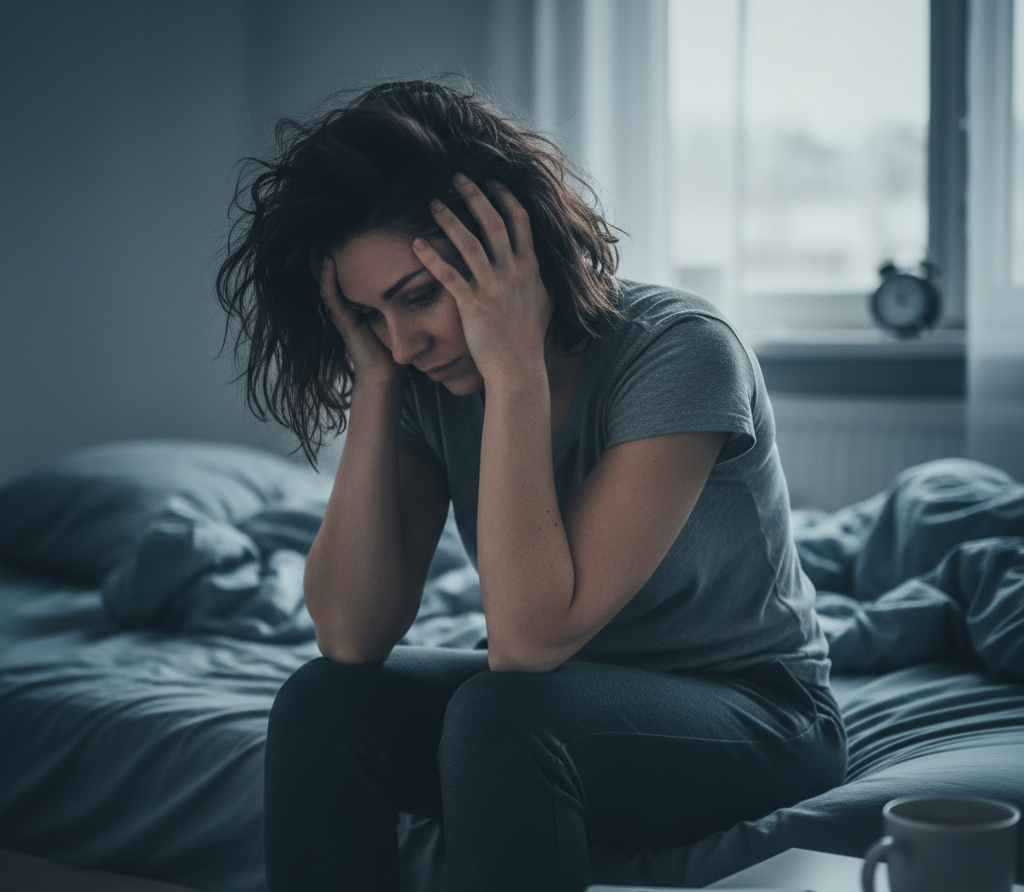
Sleep is essential not only for physical recovery but also for emotional and psychological well-being. Yet millions of adults in the United States experience poor sleep due to stress, insomnia, irregular schedules, or untreated sleep disorders. Over time, inadequate or disrupted sleep can significantly affect mental health, mood, and cognitive functioning.
Understanding how poor sleep influences mental health can help individuals recognize early warning signs and take steps toward healthier sleep habits and emotional balance.
The Role of Sleep in Brain Health
During sleep, the brain performs critical maintenance tasks that support mental health, including:
-
Processing emotions
-
Consolidating memories
-
Regulating neurotransmitters
-
Clearing metabolic waste
Both deep sleep and REM sleep are particularly important for emotional regulation and mental resilience. When sleep is consistently disrupted, these processes are impaired.
How Poor Sleep Impacts Emotional Regulation
Increased Emotional Reactivity
Lack of sleep affects the brain’s ability to manage emotions. Studies show that poor sleep heightens activity in the amygdala, the brain’s emotional center, while reducing control from the prefrontal cortex.
As a result, individuals may experience:
-
Increased irritability
-
Heightened emotional sensitivity
-
Difficulty managing stress
Small challenges may feel overwhelming when sleep is inadequate.
Reduced Stress Tolerance
Sleep deprivation raises levels of stress hormones such as cortisol. Elevated cortisol can make individuals feel constantly “on edge,” increasing vulnerability to anxiety and emotional burnout.
Over time, chronic stress and poor sleep can reinforce one another, creating a negative cycle.
Poor Sleep and Anxiety Disorders
Sleep problems and anxiety often go hand in hand. Poor sleep can worsen anxiety symptoms, while anxiety can make it difficult to fall or stay asleep.
Common connections include:
-
Racing thoughts at bedtime
-
Nighttime panic symptoms
-
Fear of not being able to sleep
Chronic sleep deprivation can increase the risk of developing anxiety disorders and intensify existing symptoms.
Poor Sleep and Depression
Research consistently links poor sleep with depression. Insomnia is both a symptom and a risk factor for depressive disorders.
Effects of poor sleep on depression include:
-
Low mood and emotional numbness
-
Loss of motivation
-
Negative thinking patterns
-
Increased fatigue
Addressing sleep problems is often a key component of depression treatment.
Cognitive Effects of Poor Sleep
Impaired Concentration and Memory
Sleep is essential for learning and memory consolidation. Poor sleep can lead to:
-
Difficulty focusing
-
Short-term memory problems
-
Slower information processing
These cognitive impairments can affect work performance, academic success, and daily functioning.
Poor Decision-Making
Sleep deprivation reduces the brain’s ability to assess risk and make sound decisions. Individuals may:
-
Act impulsively
-
Struggle with problem-solving
-
Make errors in judgment
Over time, these effects can contribute to increased stress and mental fatigue.
Long-Term Mental Health Risks
Chronic poor sleep increases the risk of developing long-term mental health conditions, including:
-
Generalized anxiety disorder
-
Major depressive disorder
-
Mood instability
While poor sleep alone may not cause mental illness, it significantly increases vulnerability and symptom severity.
The Bidirectional Relationship Between Sleep and Mental Health
Sleep and mental health influence each other in a two-way relationship:
-
Poor sleep worsens mental health symptoms
-
Mental health disorders disrupt sleep
Breaking this cycle often requires addressing both sleep habits and mental health simultaneously.
Improving Sleep to Support Mental Health
Establish Healthy Sleep Habits
-
Maintain consistent sleep and wake times
-
Create a relaxing bedtime routine
-
Limit caffeine and screen exposure in the evening
Manage Stress Effectively
-
Practice relaxation techniques such as deep breathing or meditation
-
Engage in regular physical activity
-
Set healthy boundaries around work and technology
Address Sleep Disorders Early
-
Seek professional help for persistent insomnia
-
Treat conditions such as sleep apnea promptly
Role of Therapy and Professional Support
Cognitive Behavioral Therapy for Insomnia (CBT-I) is widely recommended as a first-line treatment for chronic insomnia. CBT-I helps individuals:
-
Change negative sleep-related thoughts
-
Reduce nighttime anxiety
-
Improve sleep efficiency
Therapy for anxiety or depression may also improve sleep quality and mental health outcomes.
When to Seek Professional Help
It may be time to consult a healthcare professional if:
-
Poor sleep persists for several weeks
-
Mood changes interfere with daily life
-
Anxiety or depression symptoms worsen
-
Daytime functioning is significantly affected
Early intervention can prevent long-term mental health complications.
Final Thoughts
Poor sleep has a profound impact on mental health, affecting mood, emotional regulation, cognition, and overall psychological resilience. While occasional sleep disruption is normal, chronic poor sleep can increase the risk of anxiety, depression, and long-term mental health challenges.
Prioritizing sleep is a powerful step toward better mental well-being. Educational platforms like USA Pharmas play an important role in raising awareness about the sleep–mental health connection and encouraging informed, proactive approaches to emotional health.
FAQs
Is guilt a symptom of depression?
Yes, excessive or guilt is listed as a core symptom of Major Depressive Disorder in the DSM-5.
Can guilt cause depression?
While guilt alone doesn’t cause depression, chronic guilt can contribute to its development and worsen existing symptoms.
How do I stop feeling guilty when depressed?
Working with a therapist, practicing self-compassion, and potentially using medication can help manage guilt associated with depression.

Contact us
Have questions? Reach out and we’ll get back to you shortly.
Content
Guilt and Depression at a Glance
How Guilt and Depression Interact
Coping When You’re
Depressed and Feeling Guilty
Evidence-Based Treatments
When to Seek Help
How Loved Ones Can Help
FAQs