
Blog
Therapy vs Medication for Mental Health

Author:
Medical Writer
Saya Des Marais

Medical Reviewer:
Dr. Russell A. Barkley, Ph.D
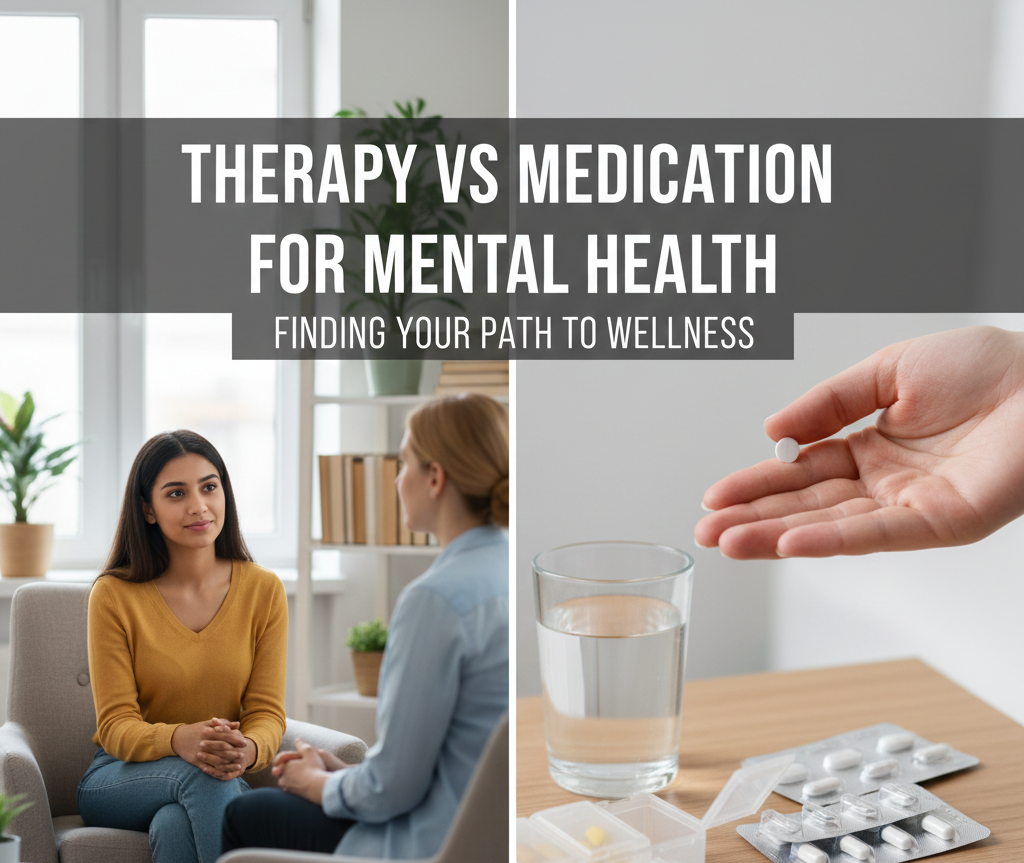
Mental health conditions such as anxiety, depression, PTSD, and mood disorders affect millions of people and can impact every aspect of daily life—from relationships and work performance to sleep and physical health. Fortunately, there are effective treatment options available, with therapy and medication being two of the most widely used approaches.
While some people benefit from counseling alone, others require medication to manage symptoms, and many individuals find the best results through a combination of both. Understanding how therapy and medication differ—and how they can work together—can help patients make informed decisions about their mental health care.
This guide explores the benefits, limitations, and effectiveness of therapy and medication, along with key factors to consider when choosing the right treatment approach.
What Is Therapy for Mental Health?
Therapy, also known as psychotherapy or counseling, involves talking with a trained mental health professional to address emotional challenges, behaviors, and thought patterns. Therapy focuses on understanding underlying issues and developing healthier coping strategies.
Common Types of Therapy
-
Cognitive Behavioral Therapy (CBT): Helps identify and change negative thinking patterns.
-
Dialectical Behavior Therapy (DBT): Often used for emotional regulation and borderline personality disorder.
-
Psychodynamic Therapy: Explores past experiences and emotional patterns.
-
Interpersonal Therapy (IPT): Focuses on improving relationships and communication.
-
Mindfulness-Based Therapy: Combines awareness practices with psychological support.
Benefits of Therapy
-
Addresses root causes of emotional distress
-
Builds long-term coping skills
-
Improves self-awareness and communication
-
Helps manage stress and emotional triggers
-
Provides a safe space for personal growth
Limitations
-
May take time before significant improvements appear
-
Requires consistent attendance and effort
-
Access and cost can be barriers in some areas
Therapy is often recommended as a first-line treatment for mild to moderate mental health conditions and is beneficial for many people regardless of diagnosis.
What Is Medication for Mental Health?
Mental health medications are prescribed by healthcare professionals to help regulate brain chemistry and reduce symptoms such as anxiety, depression, mood swings, or severe emotional distress.
Common Types of Medications
-
Antidepressants: Used for depression and anxiety disorders
-
Anti-anxiety medications: Help reduce panic and acute stress symptoms
-
Mood stabilizers: Often prescribed for bipolar disorder
-
Antipsychotics: Used for severe mental health conditions
-
Stimulants: Prescribed for ADHD and related disorders
Benefits of Medication
-
Can reduce symptoms relatively quickly
-
Helpful for moderate to severe conditions
-
May improve sleep, concentration, and daily functioning
-
Can stabilize mood during intense mental health episodes
Limitations
-
Possible side effects such as fatigue, weight changes, or nausea
-
May require trial and adjustment to find the right medication
-
Does not directly address underlying emotional or behavioral causes
Medication is usually recommended when symptoms significantly interfere with daily life or when therapy alone is not enough.
Key Differences Between Therapy and Medication
1. Approach to Treatment
Therapy focuses on psychological and behavioral change, helping individuals understand and manage emotions. Medication primarily targets biological factors, such as neurotransmitter imbalances.
2. Speed of Results
Medication can provide symptom relief relatively quickly, especially during severe episodes. Therapy often takes longer but offers deeper, long-lasting changes.
3. Long-Term Impact
Therapy builds lifelong coping skills and emotional resilience. Medication helps manage symptoms but may not address underlying triggers unless combined with therapy.
4. Side Effects
Therapy generally has minimal physical risks, though emotional discomfort can arise during sessions. Medication may involve physical side effects and requires careful monitoring.
When Therapy May Be the Best Option
Therapy alone may be effective for:
-
Mild to moderate anxiety or depression
-
Relationship issues or life transitions
-
Stress management and emotional growth
-
Trauma recovery with professional guidance
-
People who prefer non-medication approaches
Individuals who are motivated to actively participate in sessions and practice learned skills often benefit greatly from therapy.
When Medication May Be Necessary
Medication may be recommended when:
-
Symptoms are severe or disabling
-
There is a risk of self-harm or inability to function
-
Previous therapy alone has not been effective
-
Sleep, appetite, or concentration are significantly impaired
-
Certain medical or psychiatric conditions require pharmacological support
Healthcare providers assess each patient carefully before prescribing medication.
Combining Therapy and Medication
Many mental health professionals consider a combined approach to be the most effective for moderate to severe conditions. Medication can help stabilize symptoms, making it easier for individuals to participate actively in therapy and learn coping strategies.
For example:
-
Medication may reduce panic attacks, allowing therapy to focus on long-term coping.
-
Antidepressants may improve mood enough for patients to engage fully in counseling.
-
Therapy can help individuals gradually reduce reliance on medication when appropriate.
This integrated approach often leads to improved long-term outcomes.
Factors to Consider When Choosing a Treatment
Choosing between therapy, medication, or a combination depends on several factors:
-
Type and severity of mental health condition
-
Personal treatment preferences
-
Medical history and current medications
-
Access to qualified therapists or healthcare providers
-
Lifestyle, work schedule, and financial considerations
Open communication with a healthcare professional is essential to determine the most suitable treatment plan.
Safety Considerations
-
Never start or stop medication without medical guidance.
-
Report side effects or worsening symptoms to your doctor.
-
Be patient—finding the right therapy or medication may take time.
-
Avoid alcohol or substance use while taking psychiatric medications unless approved by a professional.
-
Seek immediate help if experiencing thoughts of self-harm or severe emotional distress.
Supporting Mental Health Beyond Treatment
In addition to therapy and medication, many lifestyle habits can support emotional well-being:
-
Regular physical activity
-
Balanced nutrition
-
Consistent sleep routines
-
Mindfulness and relaxation techniques
-
Strong social support systems
Combining professional treatment with healthy habits can enhance overall recovery.
Conclusion
Therapy and medication each play valuable roles in mental health treatment. Therapy offers tools for long-term emotional growth and coping, while medication can provide essential symptom relief for moderate to severe conditions. For many individuals, the most effective approach involves a combination of both, tailored to their unique needs.
Mental health treatment is not one-size-fits-all. By working closely with healthcare professionals and exploring available options, individuals can find a path that supports healing, resilience, and improved quality of life.
FAQs
Is guilt a symptom of depression?
Yes, excessive or guilt is listed as a core symptom of Major Depressive Disorder in the DSM-5.
Can guilt cause depression?
While guilt alone doesn’t cause depression, chronic guilt can contribute to its development and worsen existing symptoms.
How do I stop feeling guilty when depressed?
Working with a therapist, practicing self-compassion, and potentially using medication can help manage guilt associated with depression.

Contact us
Have questions? Reach out and we’ll get back to you shortly.
Content
Guilt and Depression at a Glance
How Guilt and Depression Interact
Coping When You’re
Depressed and Feeling Guilty
Evidence-Based Treatments
When to Seek Help
How Loved Ones Can Help
FAQs