
Blog
How to Take Multiple Medications Safely

Author:
Medical Writer
Saya Des Marais

Medical Reviewer:
Dr. Russell A. Barkley, Ph.D
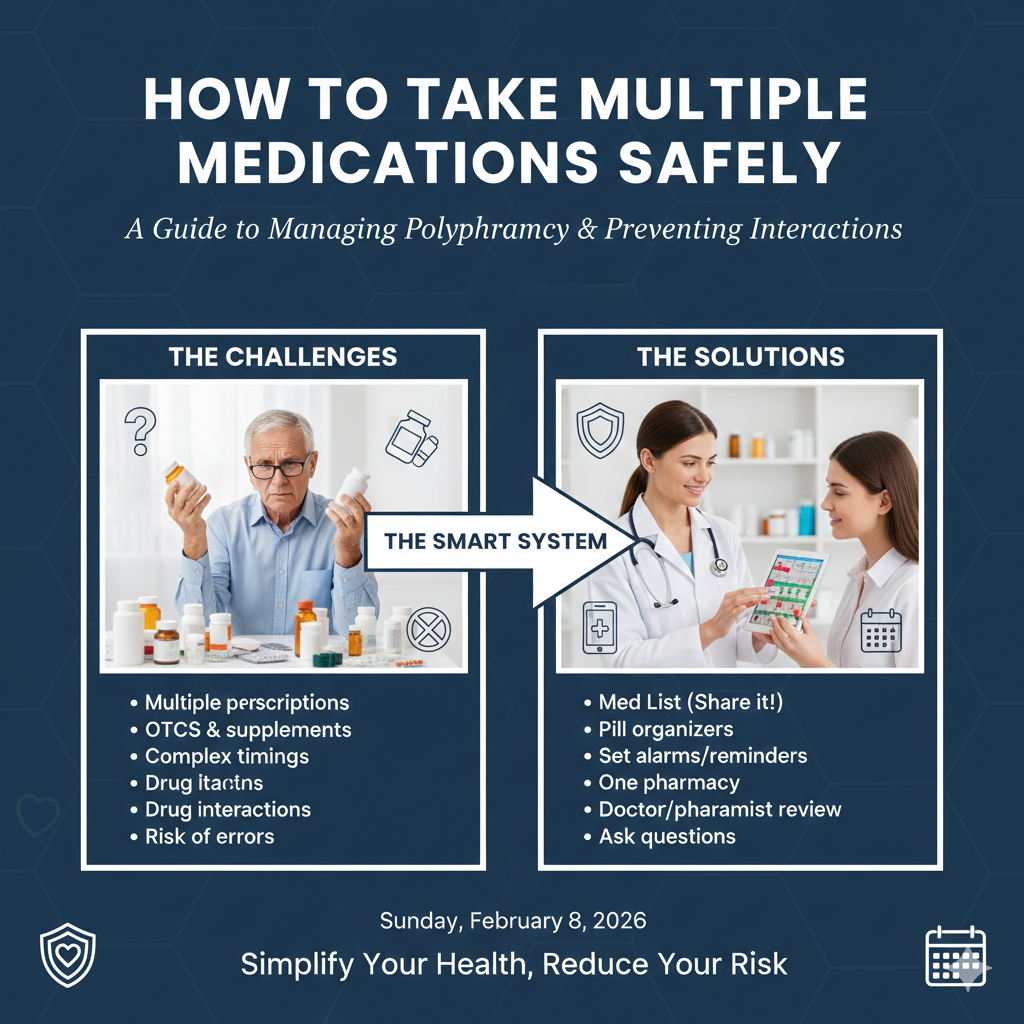
Managing more than one medication at a time is common, especially for people living with chronic conditions, recovering from surgery, or dealing with age-related health concerns. While multiple medications can improve health outcomes, they also increase the risk of drug interactions, side effects, missed doses, or accidental overdoses. Learning how to take several medications safely is essential for protecting your health and ensuring treatments work as intended.
This guide explains practical strategies, common mistakes to avoid, and helpful tools you can use to manage multiple prescriptions confidently and responsibly.
Why Taking Multiple Medications Can Be Risky
When you take several medications simultaneously — sometimes called polypharmacy — your body processes many active ingredients at once. Each drug may affect how another works, potentially increasing or decreasing effectiveness.
Some risks associated with multiple medications include:
-
Drug interactions that cause unexpected side effects
-
Duplicate ingredients leading to overdosing
-
Confusing schedules or missed doses
-
Increased burden on the liver and kidneys
-
Difficulty tracking which medication causes side effects
Older adults and individuals with chronic illnesses may face higher risks because they often require long-term treatment plans involving several drugs.
Understanding these risks doesn’t mean you should avoid necessary medications — it simply highlights the importance of careful management.
Keep an Updated Medication List
One of the most important safety steps is maintaining a complete and current medication list. This list should include:
-
Prescription medications
-
Over-the-counter drugs
-
Vitamins and herbal supplements
-
Dosages and schedules
-
The reason each medication is prescribed
Carry this list with you or keep a digital version on your phone. Share it with doctors, pharmacists, and caregivers so everyone involved in your care understands your full treatment plan.
An updated list helps healthcare professionals identify possible drug interactions and avoid prescribing conflicting medications.
Use One Pharmacy Whenever Possible
Filling all prescriptions at a single pharmacy helps pharmacists monitor your medications for safety. Most modern pharmacy systems automatically flag potential interactions or duplicate therapies.
Pharmacists can also:
-
Explain how medications should be taken
-
Identify confusing instructions
-
Suggest safer alternatives when needed
If you must use more than one pharmacy, ensure each has your full medication list to reduce risk.
Understand Each Medication You Take
Before starting any new medication, ask your healthcare provider or pharmacist key questions such as:
-
What is this medication for?
-
How and when should I take it?
-
Should it be taken with food or on an empty stomach?
-
What side effects should I watch for?
-
Are there foods, drinks, or activities to avoid?
Understanding the purpose and instructions behind each medication reduces confusion and improves adherence.
Create a Consistent Medication Schedule
Developing a clear routine helps prevent missed or double doses. Try these strategies:
-
Take medications at the same time every day
-
Link doses to daily habits like meals or brushing teeth
-
Use alarms or smartphone reminders
-
Follow written schedules or charts
Consistency not only improves safety but also enhances the effectiveness of many treatments.
Use Pill Organizers and Medication Apps
Practical tools can make medication management much easier.
Pill organizers allow you to sort medications by day and time, making it clear whether a dose has been taken. Weekly or monthly organizers are especially useful for complex regimens.
Medication reminder apps offer features such as:
-
Dose alerts
-
Refill reminders
-
Interaction warnings
-
Medication logs
These tools can help reduce stress and keep you on track.
Watch for Signs of Drug Interactions
When taking multiple medications, it’s important to monitor for unusual symptoms. Some common warning signs include:
-
Severe dizziness or drowsiness
-
Sudden nausea or vomiting
-
Skin rashes or swelling
-
Changes in mood or behavior
-
Rapid heartbeat or difficulty breathing
If you notice new or worsening symptoms after starting a medication, contact a healthcare professional promptly. In emergencies, seek immediate medical attention.
Be Careful With Over-the-Counter Products and Supplements
Many people assume over-the-counter medications and herbal supplements are harmless, but they can interact with prescriptions.
For example:
-
Pain relievers may increase bleeding risk when combined with blood thinners
-
Cold medications may raise blood pressure
-
Herbal supplements may alter how the liver processes medications
Always check with a pharmacist or doctor before adding new products to your routine.
Avoid Alcohol and Certain Foods When Necessary
Some medications interact negatively with alcohol or specific foods. Alcohol may increase sedation, reduce effectiveness, or worsen side effects.
Certain foods — like grapefruit — can affect how some drugs are absorbed or metabolized. Carefully read medication instructions and follow any dietary recommendations provided by your healthcare team.
Attend Regular Medical Checkups and Medication Reviews
Regular follow-up appointments are crucial when taking multiple medications. Healthcare providers may:
-
Adjust dosages
-
Stop medications that are no longer needed
-
Monitor organ function through lab tests
-
Identify early signs of side effects
Medication reviews ensure your treatment plan remains safe and effective as your health changes.
Store Medications Properly
Proper storage protects both medication safety and effectiveness.
Best practices include:
-
Keeping medications in their original containers
-
Storing them in a cool, dry place unless otherwise instructed
-
Avoiding bathroom humidity
-
Keeping medicines out of reach of children and pets
Some medications require refrigeration, while others should be protected from light — always follow storage instructions carefully.
Know What to Do If You Miss a Dose
Missing a dose can happen, especially when managing multiple medications. Never double a dose unless specifically instructed by a healthcare professional.
Instead:
-
Check the medication instructions
-
Contact your pharmacist or doctor if unsure
-
Resume your normal schedule as directed
Understanding how to handle missed doses ahead of time prevents panic and reduces the risk of accidental overdosing.
Involve Family Members or Caregivers When Needed
If your medication schedule feels overwhelming, consider asking for help from a trusted family member or caregiver. They can assist with:
-
Organizing medications
-
Setting reminders
-
Attending doctor appointments
-
Watching for side effects
Collaborative care improves adherence and enhances safety.
Common Mistakes to Avoid
Many medication problems arise from simple errors. Try to avoid:
-
Skipping doses because you feel better
-
Stopping medications abruptly without medical advice
-
Mixing medications in unmarked containers
-
Sharing prescriptions with others
-
Ignoring side effects or warning signs
Being proactive about medication management helps prevent complications.
Final Thoughts
Taking multiple medications can feel complicated, but with the right strategies, tools, and communication, it becomes manageable and safe. Keeping an updated medication list, using reminders and organizers, understanding each drug’s purpose, and staying in close contact with healthcare providers all play essential roles in protecting your health.
Remember that medication safety is a partnership between you, your doctor, and your pharmacist. Asking questions, staying organized, and monitoring your health are powerful steps toward ensuring that every medication you take supports your well-being rather than putting it at risk.
FAQs
Is guilt a symptom of depression?
Yes, excessive or guilt is listed as a core symptom of Major Depressive Disorder in the DSM-5.
Can guilt cause depression?
While guilt alone doesn’t cause depression, chronic guilt can contribute to its development and worsen existing symptoms.
How do I stop feeling guilty when depressed?
Working with a therapist, practicing self-compassion, and potentially using medication can help manage guilt associated with depression.

Contact us
Have questions? Reach out and we’ll get back to you shortly.
Content
Guilt and Depression at a Glance
How Guilt and Depression Interact
Coping When You’re
Depressed and Feeling Guilty
Evidence-Based Treatments
When to Seek Help
How Loved Ones Can Help
FAQs