
Blog
How to Safely Stop a Prescription Medication

Author:
Medical Writer
Saya Des Marais

Medical Reviewer:
Dr. Russell A. Barkley, Ph.D
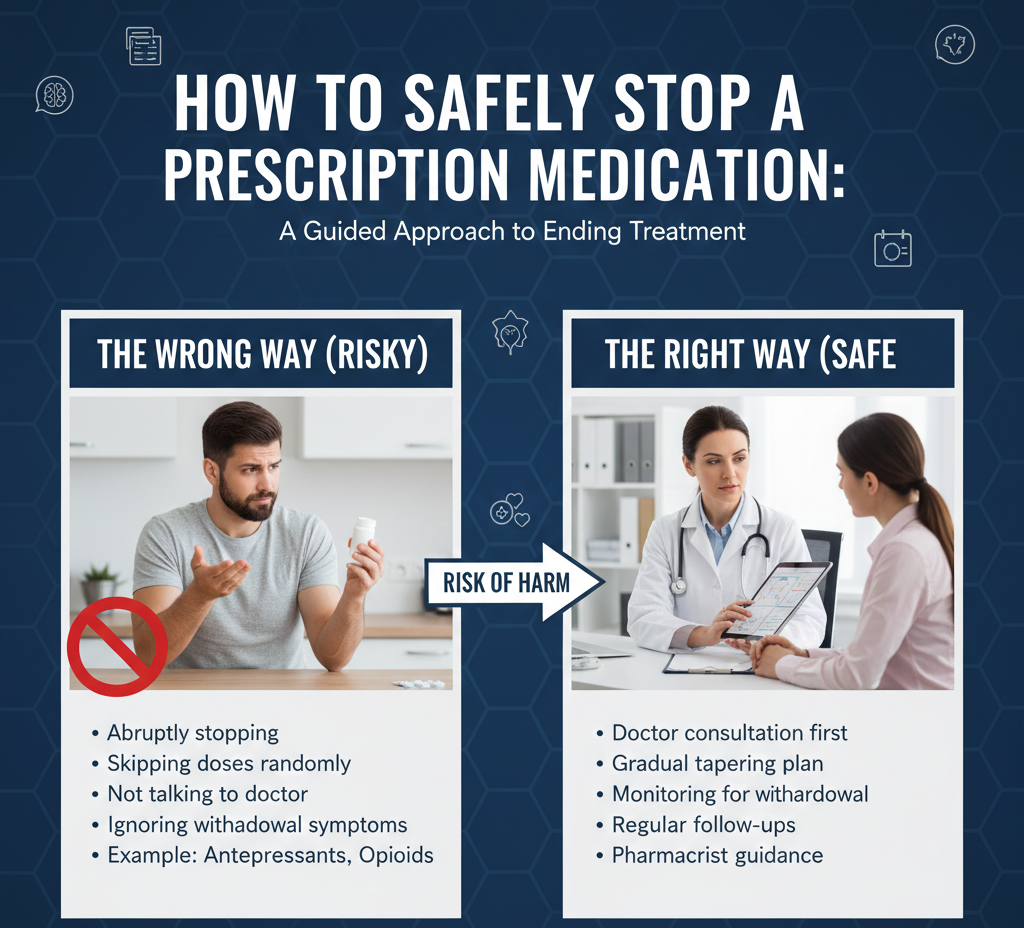
Prescription medications are often essential for treating physical and mental health conditions. However, there may come a time when a patient and their healthcare provider decide that a medication is no longer needed, is causing unwanted side effects, or should be replaced with another treatment.
Stopping a prescription medication is not always as simple as just deciding to stop taking it. Many medications require a carefully planned process to avoid withdrawal symptoms, health complications, or a return of the underlying condition. This is especially true for medications affecting the brain and nervous system, such as antidepressants, anxiety medications, sleep aids, and certain pain treatments.
Understanding how to safely discontinue prescription medications helps patients protect their health while transitioning to new treatments or medication-free management strategies.
Why Stopping Medication Requires Careful Planning
Some medications alter brain chemistry, hormone levels, or bodily systems over time. When these medications are stopped suddenly, the body may struggle to adjust.
Potential Risks of Stopping Medications Abruptly:
-
Withdrawal symptoms
-
Rebound effects (symptoms returning more intensely)
-
Physical discomfort or illness
-
Emotional instability
-
Changes in blood pressure or heart rate
-
Risk of relapse in mental health conditions
Healthcare providers create individualized plans to minimize these risks and ensure a smoother transition.
Consulting a Healthcare Provider First
Before stopping any prescription medication, it is essential to consult a qualified healthcare professional. Even medications that seem mild or safe may have important discontinuation considerations.
What Healthcare Providers Evaluate:
-
Duration of medication use
-
Current dosage
-
Underlying medical conditions
-
Risk of withdrawal symptoms
-
Patient age and overall health
-
Other medications being taken
Medical guidance ensures that discontinuation decisions are based on clinical expertise rather than guesswork.
Understanding Tapering and Dose Reduction
Tapering refers to gradually reducing medication doses over time instead of stopping abruptly. This approach allows the body to adjust slowly.
Benefits of Tapering:
-
Reduces withdrawal symptoms
-
Minimizes rebound effects
-
Allows healthcare providers to monitor progress
-
Provides flexibility if symptoms return
Tapering schedules vary widely depending on the medication type, dosage, and patient response.
Common Medications That May Require Tapering
While not all medications require gradual discontinuation, many commonly prescribed drugs do.
Examples Include:
-
Antidepressants
-
Anti-anxiety medications
-
Sleep medications
-
Opioid pain relievers
-
Corticosteroids
-
Beta blockers
-
Antipsychotic medications
Healthcare providers determine whether tapering is necessary and how quickly doses should be reduced.
Recognizing Withdrawal Symptoms
Withdrawal symptoms occur when the body reacts to the absence of a medication it has become accustomed to.
Possible Physical Symptoms:
-
Headaches
-
Nausea
-
Fatigue
-
Sweating
-
Dizziness
-
Muscle aches
Possible Emotional or Psychological Symptoms:
-
Anxiety or irritability
-
Mood swings
-
Insomnia
-
Difficulty concentrating
-
Temporary depressive symptoms
While many withdrawal symptoms are mild and temporary, some require medical attention. Patients should report any severe or unexpected reactions to their healthcare provider.
Monitoring Your Health During Discontinuation
Stopping medication is a process that requires ongoing monitoring. Patients may be asked to attend follow-up appointments or maintain symptom journals.
Key Monitoring Areas:
-
Changes in mood or mental health
-
Physical health symptoms
-
Sleep patterns
-
Appetite and energy levels
-
Return of original symptoms
Regular communication with healthcare providers helps ensure any concerns are addressed promptly.
Lifestyle Support During Medication Discontinuation
Healthy habits can make the discontinuation process smoother.
Helpful Lifestyle Strategies:
-
Maintain consistent sleep schedules
-
Eat balanced meals
-
Stay hydrated
-
Engage in gentle exercise
-
Practice stress management techniques
-
Seek emotional support from friends or family
In some cases, therapy or counseling may be recommended to help manage emotional adjustments.
Avoiding Common Mistakes When Stopping Medication
1. Stopping Suddenly Without Guidance
Abrupt discontinuation can increase health risks and should be avoided unless medically necessary.
2. Changing Dosages on Your Own
Self-adjusting medication schedules can lead to complications or inconsistent symptom control.
3. Ignoring Withdrawal Symptoms
Patients should communicate openly with healthcare providers if symptoms arise.
4. Assuming All Medications Can Be Stopped the Same Way
Each medication has unique discontinuation guidelines based on how it affects the body.
Special Considerations for Mental Health Medications
Medications used for anxiety, depression, or mood disorders require particularly careful management during discontinuation.
Why Extra Care Is Needed:
-
Brain chemistry adjusts gradually to medication changes
-
Emotional symptoms may temporarily increase
-
Relapse risk must be monitored
-
Support systems may be necessary during transitions
Healthcare providers may recommend slower tapering schedules and additional follow-up visits.
When Immediate Medical Attention Is Needed
While most discontinuation processes are safe with proper planning, certain symptoms require urgent evaluation.
Seek Medical Care If You Experience:
-
Severe mood changes or suicidal thoughts
-
Chest pain or heart irregularities
-
Severe dizziness or fainting
-
Intense confusion
-
Uncontrolled vomiting or dehydration
Prompt medical attention helps prevent complications.
The Importance of Open Communication
Successful medication discontinuation relies on honest and ongoing communication between patients and healthcare providers.
Helpful Communication Tips:
-
Ask questions about the tapering plan
-
Report side effects promptly
-
Discuss emotional or physical concerns
-
Update providers on lifestyle changes
-
Attend scheduled follow-up appointments
Collaboration ensures the safest possible transition off medication.
Conclusion
Stopping a prescription medication is an important decision that should always be made with professional guidance. Through gradual tapering, careful monitoring, and strong communication with healthcare providers, patients can reduce the risk of withdrawal symptoms and maintain their health during the transition.
Every individual’s situation is unique, and there is no one-size-fits-all approach to discontinuing medication. By understanding the risks, preparing properly, and seeking support when needed, patients can safely navigate the process and move forward with confidence in their treatment journey.
FAQs
Is guilt a symptom of depression?
Yes, excessive or guilt is listed as a core symptom of Major Depressive Disorder in the DSM-5.
Can guilt cause depression?
While guilt alone doesn’t cause depression, chronic guilt can contribute to its development and worsen existing symptoms.
How do I stop feeling guilty when depressed?
Working with a therapist, practicing self-compassion, and potentially using medication can help manage guilt associated with depression.

Contact us
Have questions? Reach out and we’ll get back to you shortly.
Content
Guilt and Depression at a Glance
How Guilt and Depression Interact
Coping When You’re
Depressed and Feeling Guilty
Evidence-Based Treatments
When to Seek Help
How Loved Ones Can Help
FAQs