
Blog
Common Myths About Prescription Drugs

Author:
Medical Writer
Saya Des Marais

Medical Reviewer:
Dr. Russell A. Barkley, Ph.D
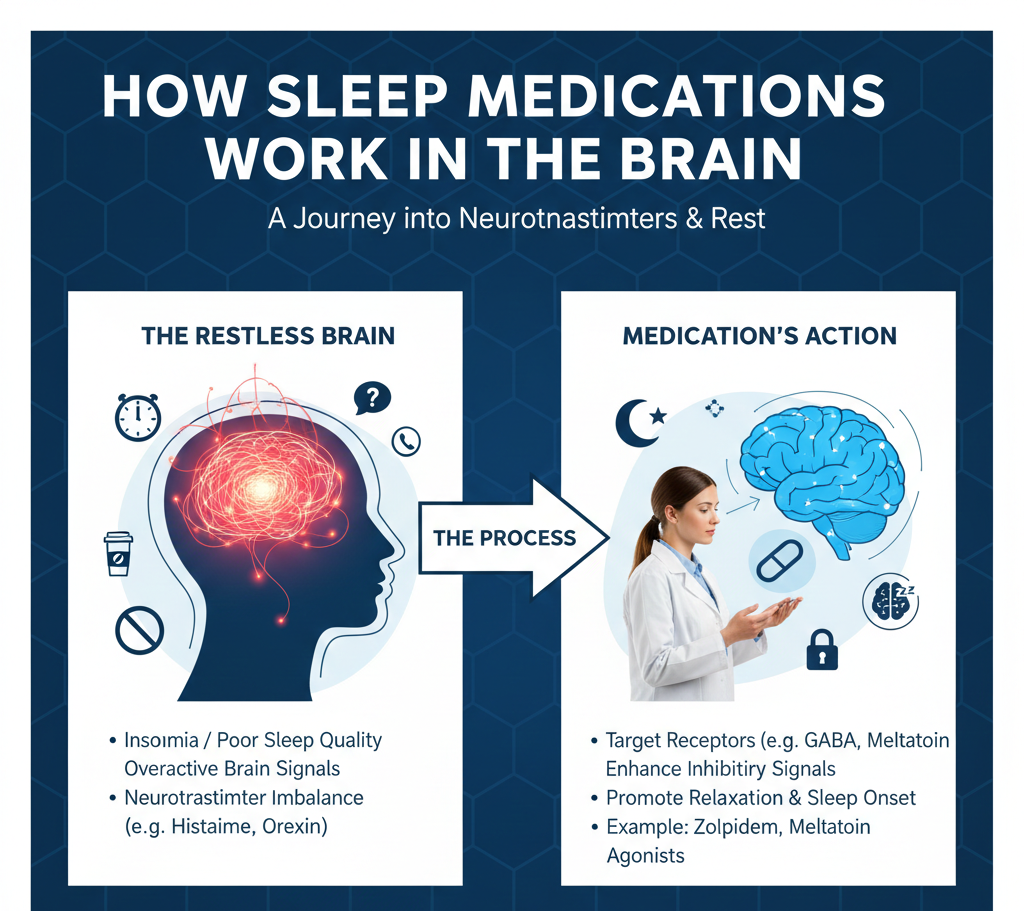
Prescription medications play a vital role in modern healthcare. They help manage chronic conditions, treat infections, relieve pain, and improve mental health. However, despite their widespread use, many people have misconceptions about how prescription drugs work, how safe they are, and how they should be used.
These myths can lead to fear, misuse, non-adherence, or unrealistic expectations about treatment outcomes. Some individuals avoid necessary medications because of misinformation, while others may use drugs incorrectly based on false assumptions.
Understanding the truth about prescription medications helps patients make informed decisions, improve safety, and communicate effectively with healthcare providers. In this article, we’ll explore some of the most common myths about prescription drugs and explain the facts behind them.
Myth 1: Prescription Drugs Are Always Safe Because Doctors Prescribe Them
The Reality
Prescription medications are carefully evaluated for safety and effectiveness, but no medication is completely risk-free. Even when prescribed appropriately, medications can cause side effects or interact with other drugs.
Doctors consider factors such as medical history, current medications, and health conditions to reduce risks. However, patients must also:
-
Follow dosing instructions carefully
-
Report side effects promptly
-
Avoid self-adjusting doses
Prescription drugs are safe when used correctly and under medical supervision, but they still require responsible use.
Myth 2: If a Medication Works for Someone Else, It Will Work for Me
The Reality
Every individual responds differently to medications due to:
-
Age and weight
-
Genetics and metabolism
-
Medical conditions
-
Other medications being taken
A medication that works well for one person may be ineffective or unsafe for another. This is why prescriptions are personalized based on individual health factors.
Sharing medications or copying someone else’s treatment plan can be dangerous and may result in side effects or complications.
Myth 3: Generic Drugs Are Less Effective Than Brand-Name Drugs
The Reality
Generic medications contain the same active ingredients and must meet the same FDA standards for safety, quality, and effectiveness as brand-name drugs.
Differences may include:
-
Color or shape
-
Inactive ingredients
-
Packaging
However, generics are considered therapeutically equivalent and are widely prescribed because they are often more affordable.
Myth 4: More Medication Means Faster or Better Results
The Reality
Taking higher doses than prescribed does not speed up recovery and can be dangerous.
Overdosing can lead to:
-
Severe side effects
-
Toxicity
-
Organ damage
-
Increased risk of dependency or overdose
Medications are carefully dosed to balance effectiveness and safety. Always follow the prescribed instructions and consult a healthcare provider before making any changes.
Myth 5: You Can Stop Taking Medication Once You Feel Better
The Reality
Some medications require a full course to be effective, even if symptoms improve early.
Examples include:
-
Antibiotics, which must be completed to prevent resistance
-
Antidepressants or anxiety medications, which may require gradual tapering
-
Blood pressure medications, which manage long-term conditions
Stopping medications abruptly may cause symptoms to return or worsen and can lead to withdrawal effects in certain cases.
Myth 6: Natural or Herbal Remedies Are Always Safer Than Prescription Drugs
The Reality
While some natural remedies may offer benefits, they are not always safer. Herbal supplements can:
-
Interact with prescription medications
-
Cause side effects
-
Lack standardized dosing or rigorous testing
Always inform your healthcare provider about any supplements you use to avoid harmful interactions.
Myth 7: Prescription Pain Medications Always Cause Addiction
The Reality
Certain medications, such as opioids, have potential for misuse and dependence. However, when prescribed and monitored properly, many patients use these medications safely and effectively for short-term or chronic pain.
Risk factors for addiction include:
-
High doses or prolonged use
-
Personal or family history of substance use disorder
-
Combining medications with alcohol or other sedatives
Open communication with healthcare providers helps minimize risks and ensure safe use.
Myth 8: All Side Effects Mean the Medication Is Dangerous
The Reality
Some side effects are common and temporary, such as mild nausea or fatigue. However, severe or unusual reactions should always be reported.
Understanding the difference between expected minor effects and serious symptoms helps patients use medications safely without unnecessary fear.
Myth 9: Over-the-Counter Medications Are Always Safe With Prescriptions
The Reality
Many OTC medications can interact with prescription drugs. Examples include:
-
NSAIDs increasing bleeding risk when combined with blood thinners
-
Cold medications raising blood pressure when combined with certain heart medications
Always consult a pharmacist or doctor before combining OTC and prescription medications.
Myth 10: If You Miss a Dose, Double the Next One
The Reality
Doubling doses can increase the risk of side effects or overdose. If you miss a dose:
-
Take it as soon as you remember if it’s safe
-
Skip it if the next dose is near
-
Consult your doctor or pharmacist for specific instructions
Following proper guidelines helps maintain medication effectiveness without increasing risks.
How to Use Prescription Medications Safely
-
Always follow dosing instructions carefully
-
Keep an updated list of all medications and supplements
-
Use one pharmacy when possible to monitor interactions
-
Store medications properly in labeled containers
-
Attend follow-up appointments to assess effectiveness and side effects
-
Never share prescriptions with others
Key Takeaways
-
Prescription medications are effective but require responsible use
-
Common myths include beliefs about generics, dosing, safety, and natural remedies
-
Individual responses to medications vary based on health factors
-
Stopping medications early or adjusting doses without medical advice can be dangerous
-
Open communication with healthcare providers improves safety and treatment outcomes
Conclusion
Misinformation about prescription medications can lead to confusion, fear, or unsafe practices. By understanding the facts behind common myths, patients can make informed decisions about their health and use medications safely and effectively.
Prescription drugs are powerful tools for managing health when used correctly and under professional guidance. Staying informed, asking questions, and following medical advice ensures that medications provide the maximum benefit while minimizing risks.
FAQs
Is guilt a symptom of depression?
Yes, excessive or guilt is listed as a core symptom of Major Depressive Disorder in the DSM-5.
Can guilt cause depression?
While guilt alone doesn’t cause depression, chronic guilt can contribute to its development and worsen existing symptoms.
How do I stop feeling guilty when depressed?
Working with a therapist, practicing self-compassion, and potentially using medication can help manage guilt associated with depression.

Contact us
Have questions? Reach out and we’ll get back to you shortly.
Content
Guilt and Depression at a Glance
How Guilt and Depression Interact
Coping When You’re
Depressed and Feeling Guilty
Evidence-Based Treatments
When to Seek Help
How Loved Ones Can Help
FAQs