
Blog
Effects of Long-Term Sleep Deprivation on Health: What You Need to Know

Author:
Medical Writer
Saya Des Marais

Medical Reviewer:
Dr. Russell A. Barkley, Ph.D
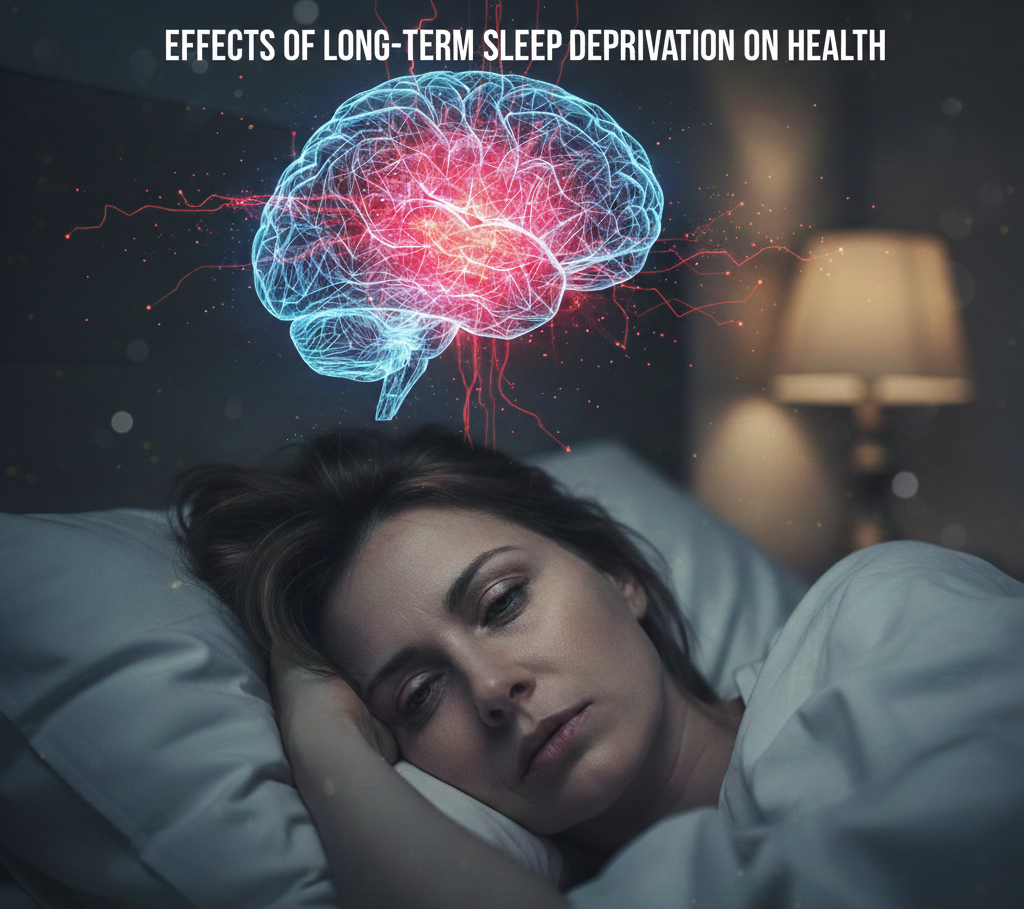
Sleep is essential for nearly every system in the body, yet long-term sleep deprivation has become increasingly common among adults in the United States. Busy schedules, stress, technology use, and untreated sleep disorders often lead to chronic sleep loss. While missing sleep occasionally may not cause serious harm, long-term sleep deprivation can have significant and lasting effects on overall health.
Understanding how prolonged lack of sleep impacts the body and mind is critical for recognizing risks early and taking steps to protect long-term well-being.
What Is Long-Term Sleep Deprivation?
Long-term sleep deprivation occurs when an individual consistently gets less sleep than the body needs over weeks, months, or years. Most adults require 7 to 9 hours of sleep per night for optimal functioning.
Chronic sleep deprivation may result from:
-
Insomnia or other sleep disorders
-
Shift work or irregular schedules
-
High stress levels
-
Poor sleep habits
-
Medical or mental health conditions
Over time, insufficient sleep disrupts normal biological processes and increases the risk of serious health problems.
Effects on Brain Function and Mental Health
Impaired Cognitive Performance
Sleep plays a critical role in memory consolidation, learning, and concentration. Long-term sleep deprivation can lead to:
-
Reduced attention and focus
-
Memory problems
-
Slower reaction times
-
Poor decision-making
These effects increase the risk of accidents and reduce productivity.
Increased Risk of Anxiety and Depression
Chronic lack of sleep disrupts emotional regulation and stress response systems. Over time, this may contribute to:
-
Heightened anxiety
-
Depressive symptoms
-
Mood instability
-
Increased irritability
Sleep deprivation and mental health disorders often reinforce each other, creating a challenging cycle.
Effects on Physical Health
Cardiovascular Health Risks
Long-term sleep deprivation has been linked to an increased risk of:
-
High blood pressure
-
Heart disease
-
Stroke
Lack of sleep affects inflammation, hormone regulation, and blood vessel function, all of which contribute to cardiovascular risk.
Weakened Immune Function
Sleep supports immune system function. Chronic sleep deprivation can:
-
Reduce immune response
-
Increase susceptibility to infections
-
Slow recovery from illness
Individuals who consistently lack sleep may get sick more frequently and take longer to recover.
Weight Gain and Metabolic Changes
Sleep deprivation affects hormones that regulate hunger and metabolism. Long-term sleep loss may lead to:
-
Increased appetite
-
Cravings for high-calorie foods
-
Weight gain
-
Increased risk of type 2 diabetes
These metabolic changes raise the risk of long-term health complications.
Hormonal and Endocrine Effects
Sleep is essential for hormonal balance. Chronic sleep deprivation disrupts hormones involved in:
-
Stress response (cortisol)
-
Appetite regulation (ghrelin and leptin)
-
Blood sugar control (insulin)
Hormonal imbalance may worsen existing medical conditions and contribute to new health concerns.
Effects on Daily Functioning and Safety
Increased Risk of Accidents
Sleep deprivation significantly impairs alertness and reaction time. Long-term sleep loss increases the risk of:
-
Motor vehicle accidents
-
Workplace injuries
-
Errors in judgment
Drowsy driving is comparable to impaired driving in terms of risk.
Reduced Quality of Life
Chronic fatigue can affect:
-
Work performance
-
Relationships
-
Motivation and energy levels
-
Overall life satisfaction
Over time, these effects can lead to burnout and decreased emotional resilience.
Long-Term Sleep Deprivation and Chronic Disease
Prolonged sleep deprivation has been associated with increased risk of several chronic conditions, including:
-
Obesity
-
Diabetes
-
Cardiovascular disease
-
Neurodegenerative disorders
While sleep deprivation alone may not cause these conditions, it significantly increases vulnerability.
How to Reduce the Long-Term Effects of Sleep Deprivation
Addressing sleep deprivation early can help prevent long-term health consequences.
Improve Sleep Habits
-
Maintain a consistent sleep schedule
-
Create a relaxing bedtime routine
-
Limit caffeine and screen use before bed
Manage Stress Effectively
-
Practice relaxation techniques
-
Set boundaries to reduce burnout
-
Seek support when stress becomes overwhelming
Address Underlying Sleep Disorders
-
Consult a healthcare professional if sleep problems persist
-
Treat conditions such as insomnia or sleep apnea promptly
Prioritize Sleep as a Health Investment
Sleep is not a luxury—it is a foundational pillar of health, alongside nutrition and physical activity.
When to Seek Professional Help
Medical evaluation is recommended if:
-
Sleep deprivation persists for several weeks
-
Daytime fatigue interferes with daily activities
-
Mood or cognitive symptoms worsen
-
There is concern about underlying sleep disorders
Early intervention can reduce long-term health risks and improve quality of life.
Final Thoughts
Long-term sleep deprivation affects nearly every aspect of health, from brain function and emotional well-being to cardiovascular and immune health. While modern lifestyles often challenge healthy sleep habits, prioritizing sleep is essential for long-term wellness.
Educational resources like USA Pharmas help raise awareness about sleep health and encourage informed, proactive approaches to preventing the serious effects of chronic sleep deprivation.
FAQs
Is guilt a symptom of depression?
Yes, excessive or guilt is listed as a core symptom of Major Depressive Disorder in the DSM-5.
Can guilt cause depression?
While guilt alone doesn’t cause depression, chronic guilt can contribute to its development and worsen existing symptoms.
How do I stop feeling guilty when depressed?
Working with a therapist, practicing self-compassion, and potentially using medication can help manage guilt associated with depression.

Contact us
Have questions? Reach out and we’ll get back to you shortly.
Content
Guilt and Depression at a Glance
How Guilt and Depression Interact
Coping When You’re
Depressed and Feeling Guilty
Evidence-Based Treatments
When to Seek Help
How Loved Ones Can Help
FAQs