
Blog
How Doctors Decide Which Medication to Prescribe

Author:
Medical Writer
Saya Des Marais

Medical Reviewer:
Dr. Russell A. Barkley, Ph.D
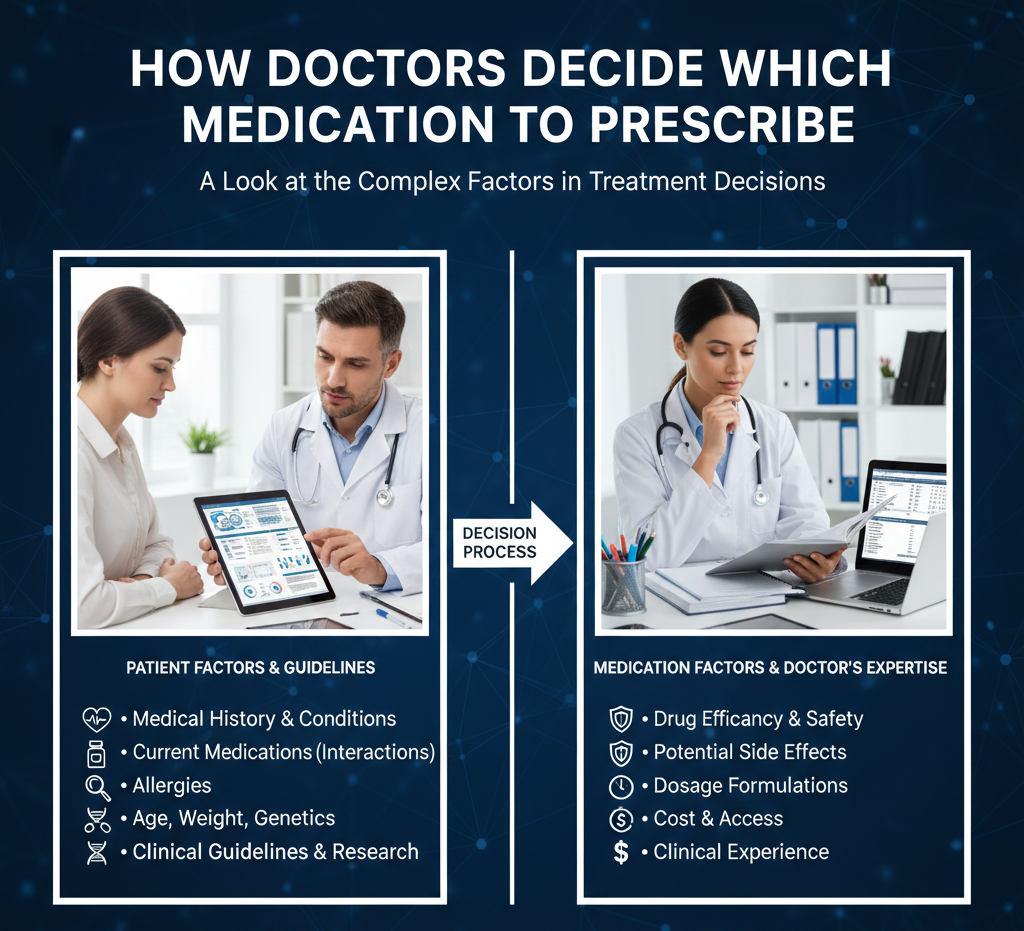
Prescription medications are one of the most common and effective tools in modern medicine. From managing chronic illnesses to treating acute infections, medications can save lives, improve quality of life, and prevent complications. However, the process of deciding which medication to prescribe is complex and individualized.
Doctors don’t choose medications randomly. They consider a variety of factors, including the patient’s medical history, current health status, lifestyle, potential side effects, and drug interactions. Understanding how doctors make these decisions can help patients feel more confident in their treatment and actively participate in their care.
This article explains how doctors decide which medication to prescribe, the key factors involved, and how patients can ensure safe and effective use of medications.
Step 1: Diagnosing the Condition
The first step in prescribing any medication is accurate diagnosis. Doctors need to understand the patient’s condition fully before recommending treatment.
-
Medical history review: Includes past illnesses, surgeries, allergies, and family medical history
-
Symptoms assessment: Duration, severity, and triggers of symptoms
-
Physical examination and tests: Lab tests, imaging, or other diagnostic tools help confirm the diagnosis
A precise diagnosis ensures the medication targets the underlying cause, not just the symptoms.
Step 2: Considering Evidence-Based Guidelines
Doctors rely on clinical guidelines and research-based evidence when prescribing medications:
-
Best practices: Guidelines from organizations like the American Heart Association, CDC, or FDA-approved protocols
-
Medication efficacy: Research studies indicate which drugs are most effective for specific conditions
-
Safety profiles: Doctors consider side effects, contraindications, and patient-specific risks
Evidence-based prescribing ensures treatment is both effective and safe.
Step 3: Evaluating Patient-Specific Factors
Medications are not one-size-fits-all. Doctors consider multiple patient-specific factors:
1. Age and Weight
-
Pediatric and elderly patients may require adjusted dosages
-
Age affects metabolism, liver and kidney function, and sensitivity to medications
2. Medical History
-
Past illnesses, allergies, and previous reactions influence drug choice
-
Example: Patients with kidney disease may need dosage adjustments or alternative medications
3. Current Medications
-
Doctors assess for drug interactions to prevent dangerous side effects
-
Polypharmacy (taking multiple medications) increases the risk of adverse reactions
4. Lifestyle and Habits
-
Diet, alcohol consumption, smoking, and exercise can affect drug metabolism
-
Example: Certain medications interact with alcohol or high-fat meals
Step 4: Assessing Potential Side Effects
No medication is completely risk-free. Doctors weigh benefits versus potential side effects:
-
Mild side effects: Nausea, dizziness, or fatigue may be acceptable if the drug is highly effective
-
Serious side effects: Liver toxicity, heart issues, or severe allergic reactions may prompt alternative choices
-
Patient tolerance: Doctors consider how well a patient can tolerate certain side effects
Step 5: Considering Medication Form and Route
-
Oral tablets or capsules: Most common and convenient
-
Injectables: Used for fast or targeted action (e.g., insulin, vaccines)
-
Topical or inhaled forms: Useful for localized treatment or when oral administration isn’t suitable
Choosing the right form and route ensures optimal effectiveness and adherence.
Step 6: Reviewing Cost and Accessibility
Doctors also consider practical factors that affect treatment adherence:
-
Insurance coverage: Some medications may be expensive or not covered
-
Availability: Certain medications may be difficult to obtain locally
-
Generic alternatives: Often preferred when equally effective and more affordable
Ensuring patients can access and afford their prescriptions is key to successful treatment.
Step 7: Starting With the Lowest Effective Dose
Doctors often prescribe the lowest effective dose initially to:
-
Minimize side effects
-
Monitor effectiveness
-
Adjust dosage gradually based on patient response
This strategy reduces risks associated with overmedication and allows safe titration.
Step 8: Monitoring and Follow-Up
Prescribing a medication is not a one-time decision. Ongoing monitoring and follow-up are essential:
-
Assess effectiveness: Is the medication controlling symptoms as intended?
-
Track side effects: Adjust dose or switch medication if adverse effects occur
-
Lab tests: For medications affecting liver, kidneys, or blood counts, regular monitoring is crucial
-
Patient feedback: Doctors rely on patients to report changes in symptoms or side effects
Step 9: Adjusting or Switching Medications
If a medication is ineffective or poorly tolerated:
-
Switching to a different drug with a similar mechanism may be necessary
-
Combination therapy may be used if a single medication is insufficient
-
Dose adjustment may optimize effectiveness without increasing side effects
Doctors continuously balance efficacy, safety, and patient lifestyle in managing prescriptions.
How Patients Can Participate in the Decision
1. Provide Complete Medical History
-
Share all medications, supplements, and allergies
-
Include past experiences with medications
2. Ask Questions
-
Understand why a particular medication was chosen
-
Discuss potential side effects, interactions, and alternatives
3. Follow Prescriptions Carefully
-
Take medication exactly as prescribed
-
Report missed doses, side effects, or symptom changes
4. Communicate Lifestyle Factors
-
Inform your doctor about alcohol use, diet, or habits that may affect medication effectiveness
-
Be honest about adherence challenges
Key Takeaways
-
Doctors consider diagnosis, clinical guidelines, patient factors, side effects, and cost when prescribing medications
-
Medications are tailored to individual patients for safety and effectiveness
-
Monitoring, follow-up, and adjustments ensure ongoing treatment success
-
Patients play a critical role by providing accurate information and following instructions
Conclusion
The process of deciding which medication to prescribe is careful, evidence-based, and patient-centered. Doctors balance multiple factors, including health status, age, medical history, current medications, lifestyle, side effects, and cost, to ensure safe and effective treatment.
Patients can improve outcomes by communicating openly, providing accurate information, and following prescriptions. Understanding this decision-making process fosters trust, adherence, and better health results while preventing complications or adverse effects.
FAQs
Is guilt a symptom of depression?
Yes, excessive or guilt is listed as a core symptom of Major Depressive Disorder in the DSM-5.
Can guilt cause depression?
While guilt alone doesn’t cause depression, chronic guilt can contribute to its development and worsen existing symptoms.
How do I stop feeling guilty when depressed?
Working with a therapist, practicing self-compassion, and potentially using medication can help manage guilt associated with depression.

Contact us
Have questions? Reach out and we’ll get back to you shortly.
Content
Guilt and Depression at a Glance
How Guilt and Depression Interact
Coping When You’re
Depressed and Feeling Guilty
Evidence-Based Treatments
When to Seek Help
How Loved Ones Can Help
FAQs